Best furnace repair: what actually matters
The best furnace repair comes down to diagnostics, licensing, parts sourcing, and warranty terms, not the biggest ad or the lowest bid.
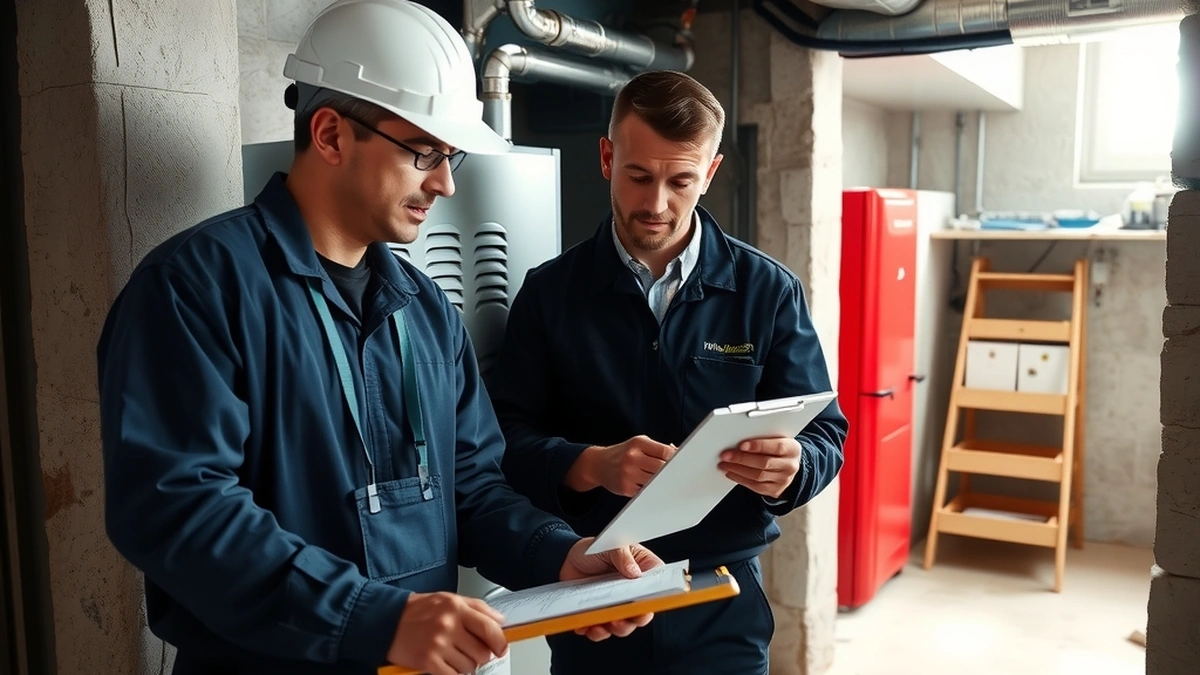
The best furnace repair is the one that names the fault before quoting, uses manufacturer parts, and backs both the part and the labor in writing. Price matters only after those four things are equal.
- Typical repair cost
- $150–$600
- Diagnostic fee, often credited
- $75–$150
- Tune-up and safety check
- $100–$250
- Emergency call-out
- $200–$500
Some links on this page are affiliate links.If you buy through them we may earn a commission at no extra cost to you. We do not accept payment for rankings. Read the full disclosure.
The best furnace repair is not the cheapest one and not the one from the biggest advertiser. It is the visit where the technician names the fault before quoting a price, fits a manufacturer part, runs the safety checks, and puts the labor warranty in writing. Everything else is marketing.
Four things that separate a good repair from an expensive one
Furnace repair is a diagnostic trade pretending to be a parts trade. The part is usually cheap. Finding out which part, and why it failed, is the skill you are paying for.
A good repair has four markers:
- A named diagnosis. Not “the board is going,” but “the board is not sending 24 volts to the inducer relay, tested at the terminal.”
- A stated root cause. Igniters do not fail for no reason. High voltage, a dirty burner, or short cycling usually sits behind it.
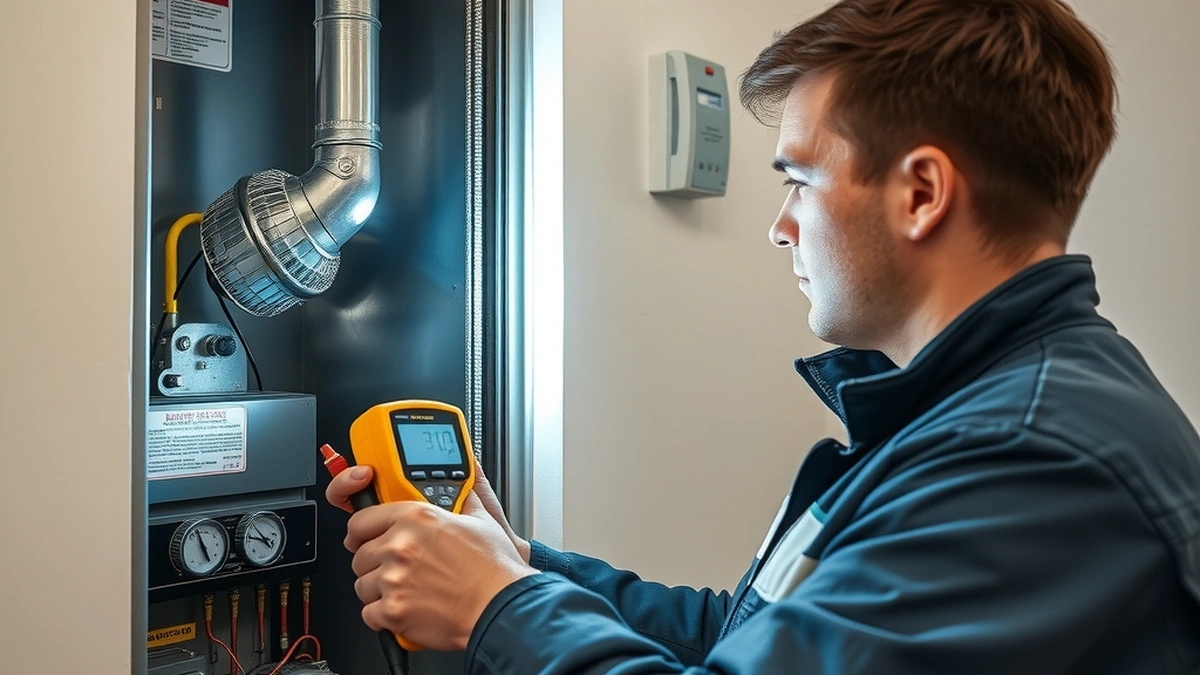
- A safety verification. Combustion analysis after the repair, not just a flame that lights.
- A written warranty on labor as well as the part.
Miss any one of those and you have bought a part swap. At $150 to $600, that is an expensive way to guess.
The comparison that matters
| Thorough repair | Fast part swap | |
|---|---|---|
| Diagnosis | 30–60 min, documented | Under 10 min, by symptom |
| Parts | OEM or OEM-equivalent, disclosed | Whatever is on the truck |
| Safety check | Combustion and temperature rise | Flame observed only |
| Labor warranty | 90 days to 1 year, in writing | Verbal, or none |
| Typical price | $250–$600 | $150–$300 |
| Repeat visit risk | Low | Higher |
The price gap between the two columns is roughly $100 to $300. The gap in outcome is a repair that holds versus one that fails in February.
What licensing actually proves
A state HVAC license confirms the contractor has met a minimum competency and insurance threshold. It does not confirm the technician who arrives at your door is competent, because apprentices and helpers work under the license holder.
Two checks are worth doing:
- Search your state licensing board for the company name, not just the individual’s name.
- Ask the dispatcher who is coming and whether they are a licensed technician or a registered apprentice working under supervision.
The second question is fair and rarely asked. A shop that answers it plainly is usually a shop that trains its people.
Brands, parts, and the favouritism problem
Manufacturer brand loyalty is mostly a sales device. A furnace is a metal box with a gas train, a blower, and a control board, and every brand has a parts counter.
What does matter is whether the shop carries parts for your model. Ask a simple question: “Do you stock the igniter and control board for a 2011 unit with this model number?” A shop that services your brand regularly says yes or gives a lead time. A shop that does not says “we’ll have to order it,” which adds a second visit and a second trip charge.
For a repair at $350, a second visit at $95 is a 27% increase. That is a real cost, and it is invisible in the phone quote.
Reading the quote the way a contractor does
A furnace repair invoice should show four lines: the diagnosis, the part, the labor hours, and the warranty. If it shows a single lump sum, ask for the breakdown.
Watch for three things:
- A diagnostic fee that is not credited when you approve the repair. Common, and worth asking about up front.
- A “system cleaning” add-on priced near $300. Duct cleaning at $300 to $800 is legitimate work, but it is not part of a repair and does not fix a failed inducer.
- A replacement recommendation with no repair price. You cannot judge the recommendation without both numbers.
If the technician recommends replacement at $3,000 to $8,000, ask what the repair would cost and how long it would last. A good technician answers without irritation. Our guide to when furnace repair is worth it covers how to weigh the answer.
Five steps to choose well
- Get the diagnosis in writing before authorising work. Even a one-line description on the estimate is enough.
- Ask for the part number and whether it is OEM, OEM-equivalent, or refurbished.
- Confirm the labor warranty length and get it printed on the invoice.
- Compare two quotes on scope, not on total, using our furnace repair cost breakdown as the range check.
- Verify the license and insurance at the state board before anyone arrives.
That list takes about twenty minutes and prevents most of the bad outcomes in this trade.
Where cheap goes wrong
A quote far below the normal range usually removes the diagnostic step, the safety check, or the labor warranty. Our article on cheap furnace repair details what gets cut and what it costs later.
The pattern is consistent: the cheapest visit is often the first of three. Once a furnace has been patched twice without a diagnosis, the third call usually ends in a replacement quote — and by then the homeowner has spent $600 to $900 on work that never addressed the fault.
The shortlist criteria
If you are choosing between three companies, rank them on these and ignore the rest:
- Licensed, insured, and verifiable at the state board
- Quotes a diagnosis separately and credits the fee
- Stocks parts for your model, or states the lead time
- Provides combustion analysis with every repair
- Warrants labor for at least 90 days in writing
- Answers the phone in winter
Our guide to finding a furnace repair contractor near you covers how to source and check candidates, and the furnace inspection article explains what the safety portion of a visit should include.
The best furnace repair is unglamorous: a named fault, a correct part, a measured result, and a warranty you can hold someone to.
Frequently asked questions
What makes one furnace repair better than another?
A named diagnosis, manufacturer parts, a documented safety check, and a labor warranty. Two shops can charge the same price and deliver very different work.
Should I choose the cheapest repair quote?
No. Compare scope first. A $190 quote without combustion testing and a labor warranty is worse value than a $320 quote that includes both.
Does brand of furnace matter when choosing a repair company?
Somewhat. A shop that services your brand regularly stocks its parts and knows its fault codes. That is practical value, not a reason to pick a brand logo on a van.
What warranty should a repair carry?
At minimum 90 days on labor, with the manufacturer warranty on the part. Ask for it on the invoice rather than relying on a verbal promise.
How do I verify an HVAC contractor's license?
Check your state licensing board's public lookup, confirm the insurance certificate is current, and make sure the name on the quote matches the name on the license.
Is a maintenance plan worth it?
It can be, if it includes a real tune-up at $100 to $250 in value and does not lock you into overpriced repairs. Read the cancellation terms before signing.
Sources
Some links are affiliate links.If you buy through them we may earn a commission at no extra cost to you. We do not accept payment for rankings. Read the full disclosure.