
Problems guides
What goes wrong for furnace repair.
Symptoms first, quotes second
Most expensive furnace repair mistakes start with a symptom described to a salesperson. The table maps the common symptoms to their usual cause — the diagnosis a contractor should confirm before quoting.
| Symptom | Usual cause |
|---|---|
| No heat | Ignition, gas valve or thermostat |
| Short cycling | Oversized unit or airflow |
| Pilot light out | Thermocouple or draft |
| Blower motor failure | Bearing or capacitor |
| Strange smell | Dust burn-off or heat exchanger |
| Thermostat not responding | Wiring or dead batteries |
What to document
- Photographs with something for scale, taken at the same angle over time.
- Dates: when it started, whether it changes with weather.
- Water: where it goes, where it pools, what it damages.
- Previous work: who did it, when, and with what material.
What not to do first
Do not accept a repair scope before the cause is named. Patching a symptom is how the same problem returns next season with a bigger invoice. The methods hub explains what each fix addresses; the cost hub shows what it should cost.
When is it an emergency?
When water is entering the structure, when something is structurally unstable, or when a safety system has failed. Everything else can wait for a second opinion.
Should I get an independent inspection?
For anything structural or over about $5,000, yes. A few hundred dollars for an independent report is cheaper than a wrong scope.
All problems guides
Blower motor failure: how to prevent it
Five measures that extend blower life, from a $15 filter to correct static pressure, and why most motors fail early because of the duct they sit behind.
Read the guide →
Blower motor failure: repair options
Four blower faults, four repairs, from a $150 capacitor to a $900 motor. How to tell which one you have and when replacement beats a $750 repair.
Read the guide →
Blower motor failure: warning signs
The seven signs a furnace blower is failing, how they differ from a capacitor fault, and which ones mean stop running the system today.
Read the guide →
Boiler maintenance: annual service, cost, and checklist
A boiler service runs $150 to $350 a year. Here is what the annual visit should cover, the monthly checks that matter, and how to bleed radiators properly.
Read the guide →
Boiler problems: common faults and how to diagnose them
Most boiler problems are pressure, air, ignition, or circulation faults. Here is how to identify each symptom and what the repair usually involves.
Read the guide →
Ductless mini-split maintenance: the routine that works
Filter cleaning every two to four weeks plus one $150 to $300 service visit a year keeps a mini-split at rated output. Here is the full schedule.
Read the guide →
Ductless mini-split problems: symptoms and likely fixes
Water indoors, ice on the coil, warm air in heat mode: six mini-split symptoms, what causes each, and what the repair usually costs.
Read the guide →
Electric furnace maintenance: the annual checklist
An electric furnace tune-up costs $100 to $250 and covers element amp draw, sequencer operation, blower, filter, and safety switches. Here is what to expect.
Read the guide →
Electric furnace problems: no heat, short cycling.
Most electric furnace problems are a failed element, a stuck sequencer, a tripped breaker, or restricted airflow. Here is how each symptom maps to a repair.
Read the guide →
Electric Furnace Repair: Costs, Common Problems, and Fixes
Diagnose common electric furnace problems, understand repair costs, and know when to call a pro.
Read the guide →
Furnace repair maintenance schedule
A month-by-month and season-by-season furnace maintenance schedule, with the tasks you can do yourself and the ones that need a technician.
Read the guide →
Furnace repair repair: when it is worth it
Some furnace faults are worth fixing and some are not. Here is how to judge by part cost, unit age, and how many winters the fix buys.
Read the guide →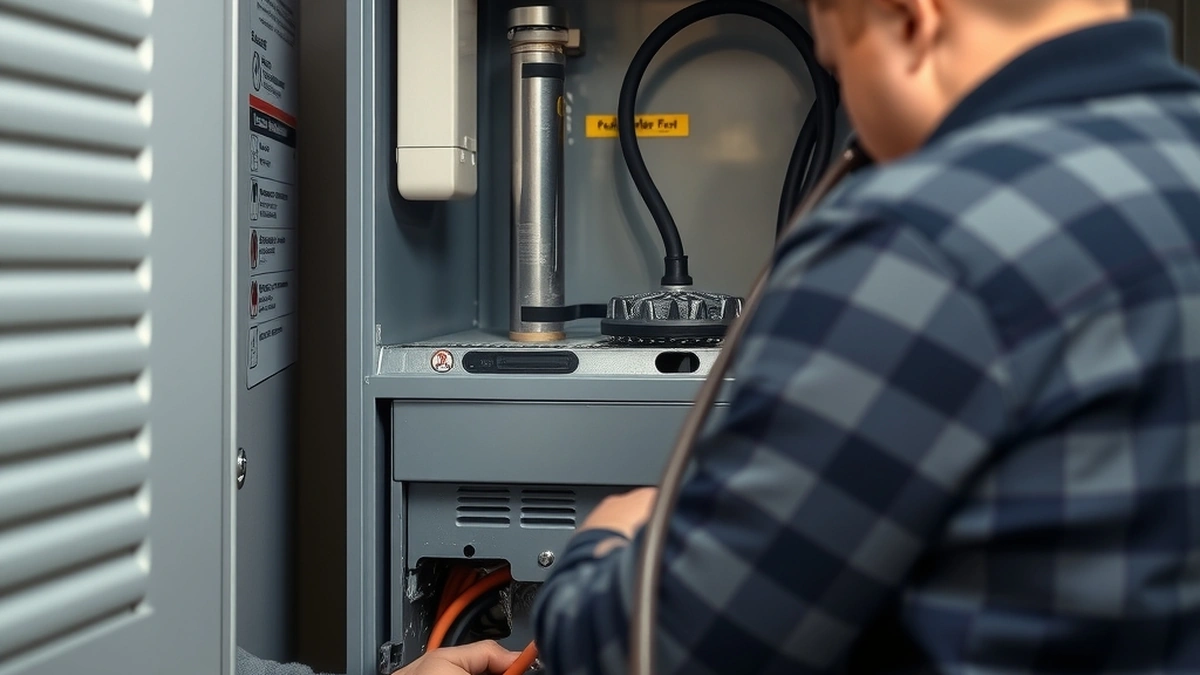
Gas furnace maintenance: what a tune-up includes
A gas furnace tune-up costs $100 to $250 and covers combustion analysis, flame sensor cleaning, blower inspection, and a safety check. Here is the checklist.
Read the guide →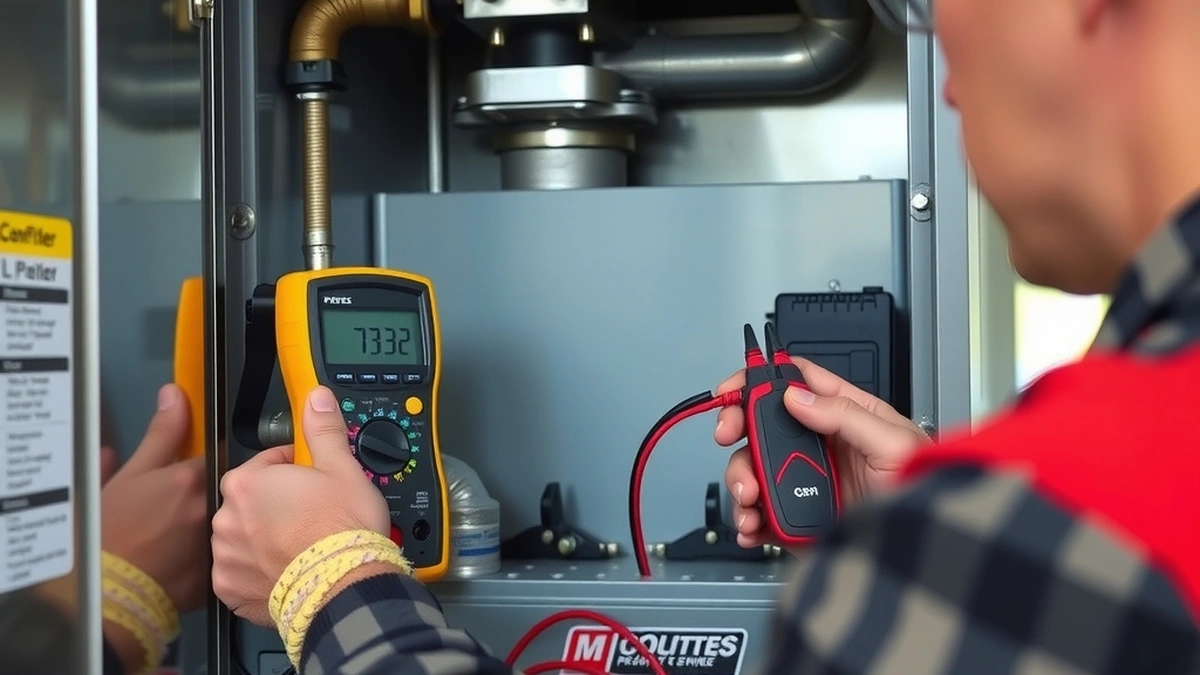
Gas furnace problems: symptoms, causes, and fixes
A gas furnace that will not light, short cycles, or blows cold air usually has one of six faults. Here is how each symptom maps to a cause and a repair price.
Read the guide →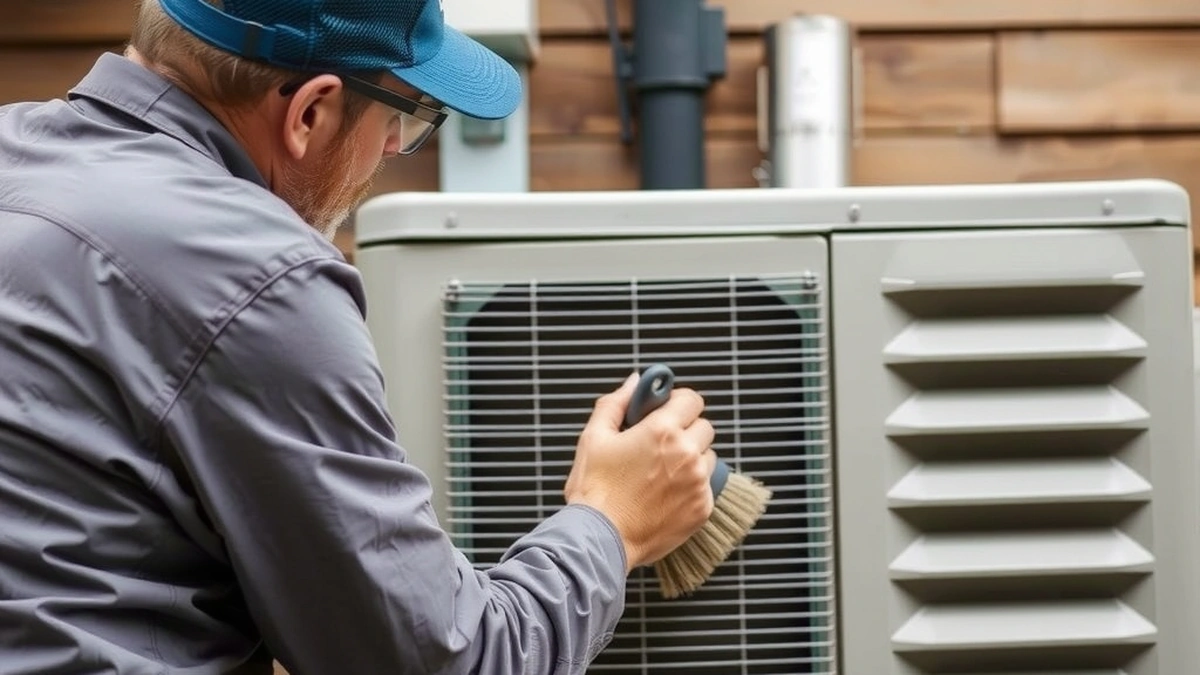
Heat pump maintenance: the annual checklist that pays
A heat pump service runs $100 to $250 a year and prevents most charge and airflow faults. Here is what to do monthly, seasonally, and once a year.
Read the guide →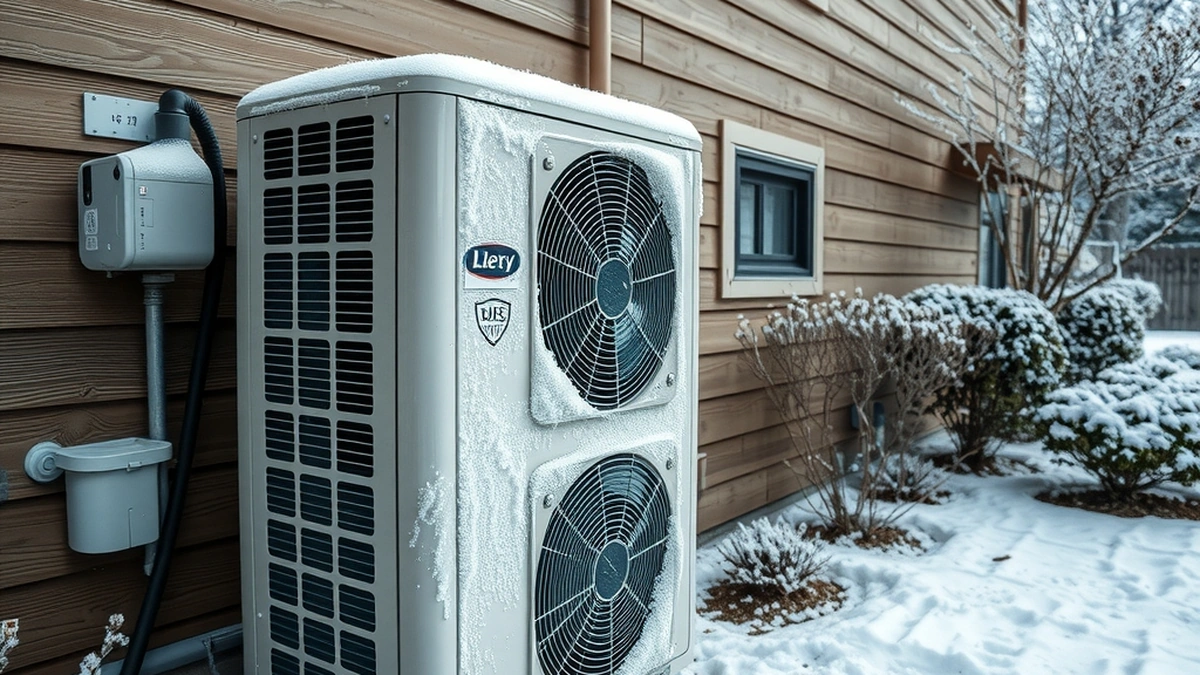
Heat pump problems: seven faults and how to diagnose them
Most heat pump problems trace to airflow, refrigerant charge, or a failed sensor. Here is how to identify each fault and what the repair typically involves.
Read the guide →
No heat: how to prevent a furnace failure in winter
A $100 to $250 autumn tune-up plus a filter habit prevents most no-heat calls. Here is what actually fails, what service catches, and what it cannot.
Read the guide →
No heat: repair options when the furnace will not run
Four faults cause most no-heat calls, and two of them are safe to check yourself. Here is the triage order, what each repair costs, and when to replace.
Read the guide →
No heat: warning signs that appear before a failure
A flame that lights and dies, banging on start-up, a yellow burner, or soot around the cabinet: what each warning sign means and how fast to act.
Read the guide →
Pilot light out: how to prevent it
Five measures that keep a standing pilot lit through the heating season, from a $100 to $250 tune-up to fixing the downdraft that blows it out.
Read the guide →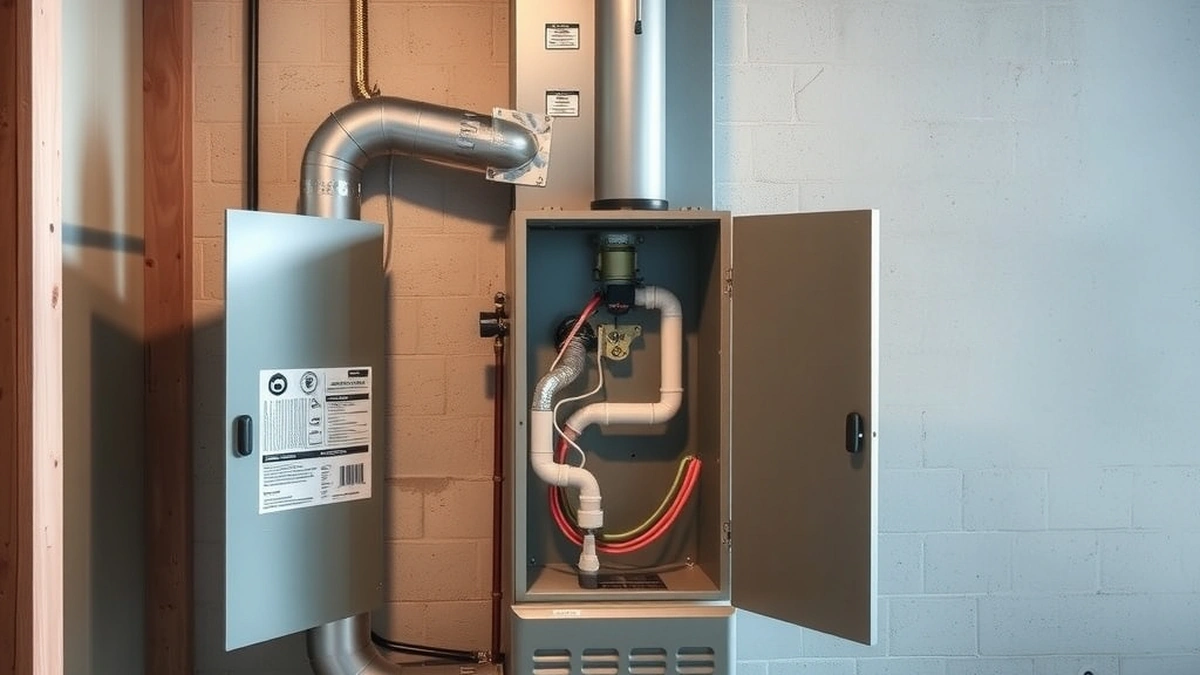
Pilot light out: repair options
Why a pilot goes out, the four repairs that fix it, and when the right answer is a $3,000 to $8,000 replacement rather than a $150 to $600 repair.
Read the guide →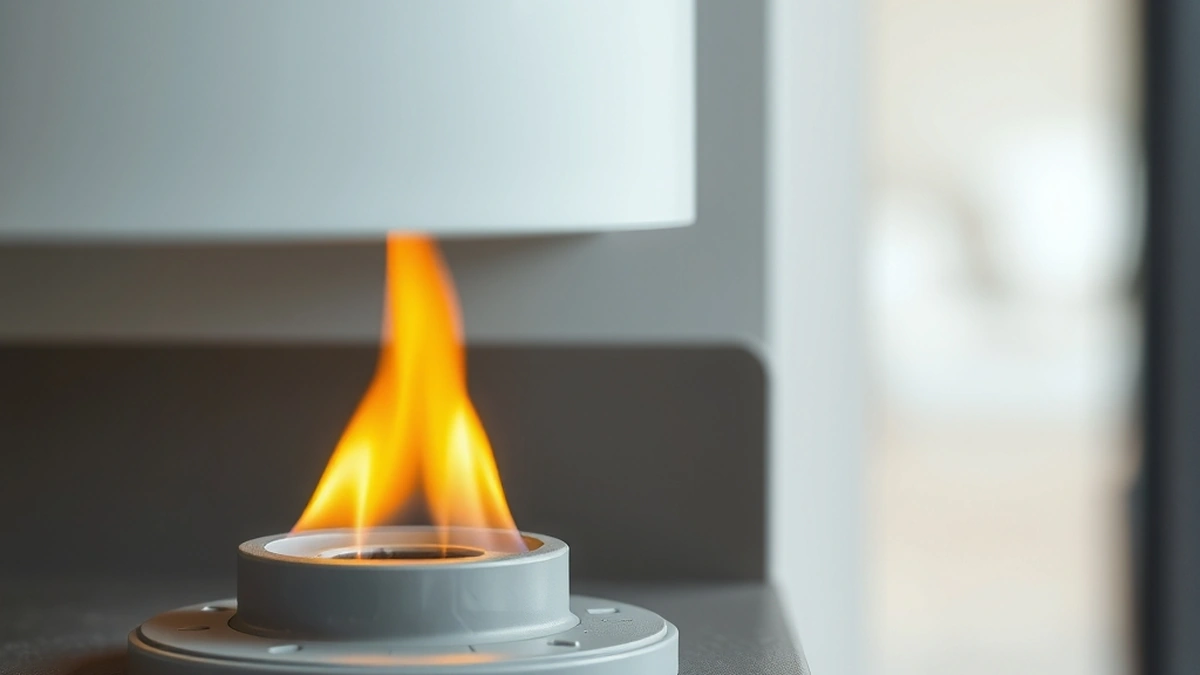
Pilot light out: warning signs
The six signs a standing pilot is about to fail, how to read flame colour, and which symptoms mean shut the furnace off and call today.
Read the guide →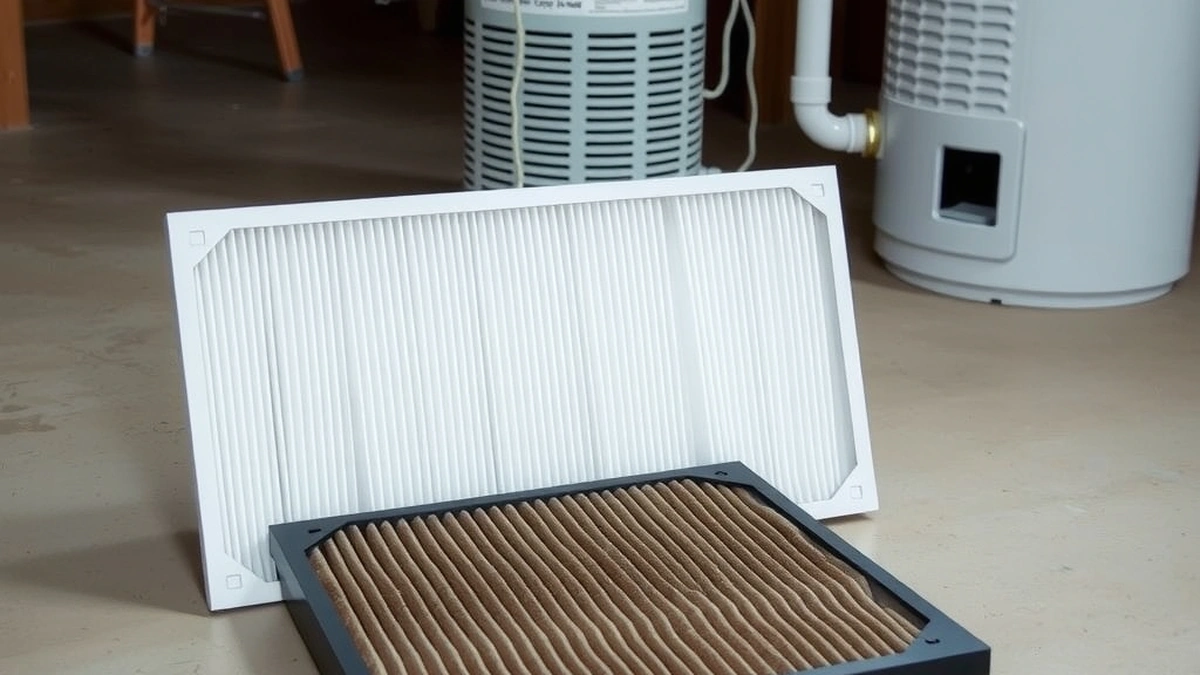
Short cycling: how to prevent it
Six causes of furnace short cycling and the fix for each, from a $25 filter to duct work, plus the service schedule that stops it recurring.
Read the guide →
Short cycling: repair options for a furnace or heat pump
A furnace that runs two minutes and stops has about seven likely causes. Here is the triage order, what each fix costs, and the one cause repair cannot fix.
Read the guide →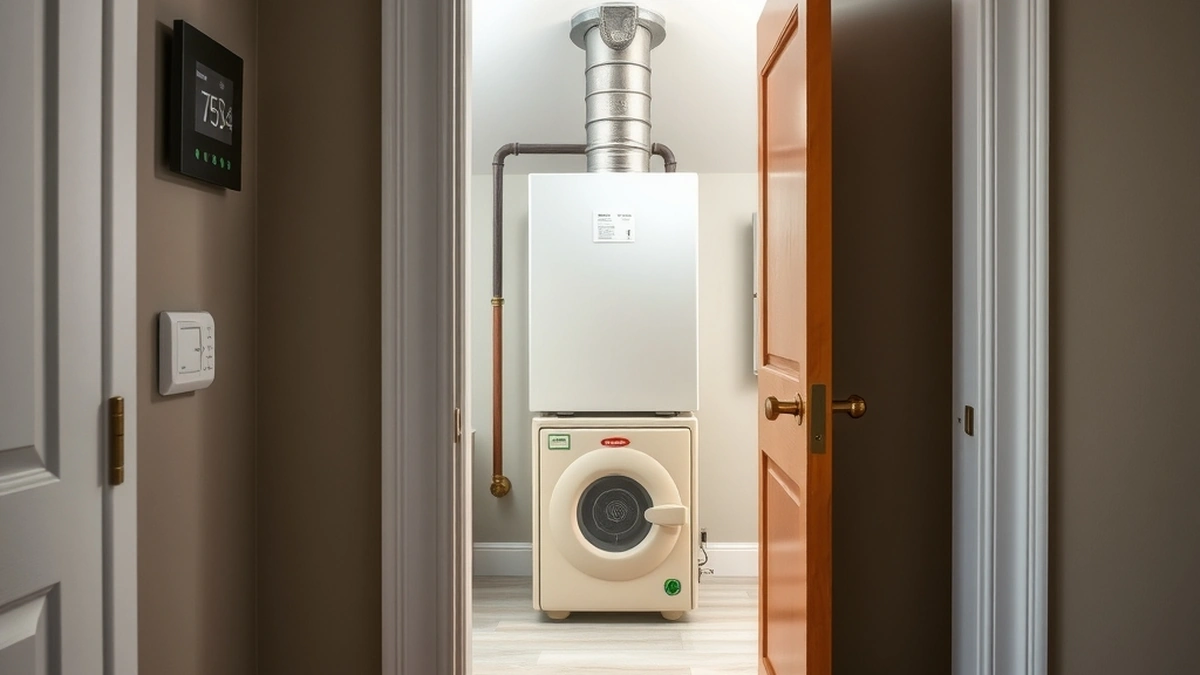
Short cycling: warning signs to catch early
The seven signs a furnace is short cycling, how to tell it from normal cycling, and which ones mean stop using the system and call a technician.
Read the guide →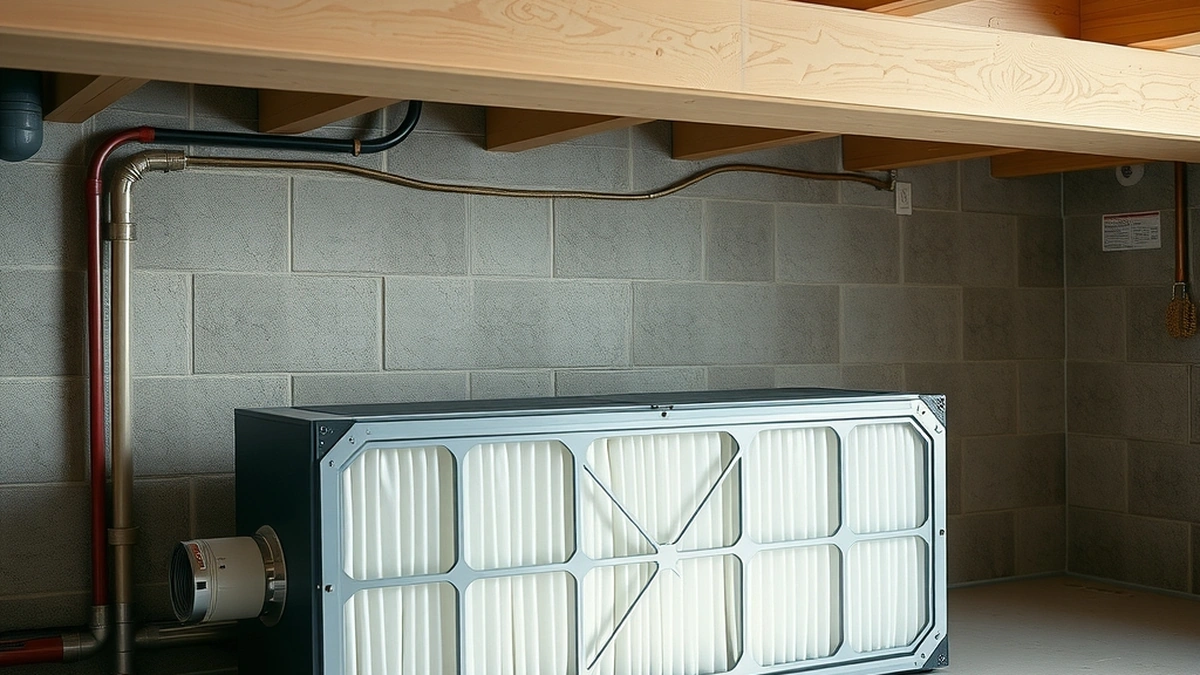
Strange smell: how to prevent it
Five measures that stop furnace smells before they start, from a $15 filter to a $100 to $250 tune-up, and the moisture fix that keeps ducts must-free.
Read the guide →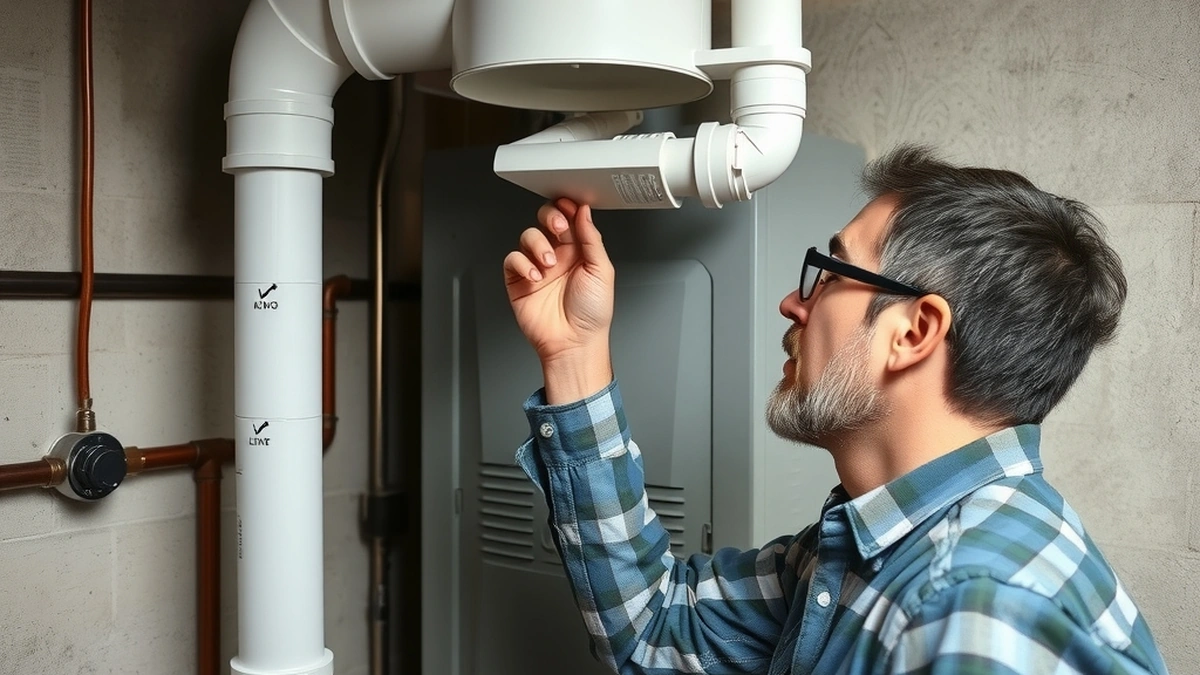
Strange smell: repair options by cause
Six furnace smells and the repair each one points to, from a $300 to $800 duct cleaning to a $150 to $600 repair. What to do first, and what to switch off.
Read the guide →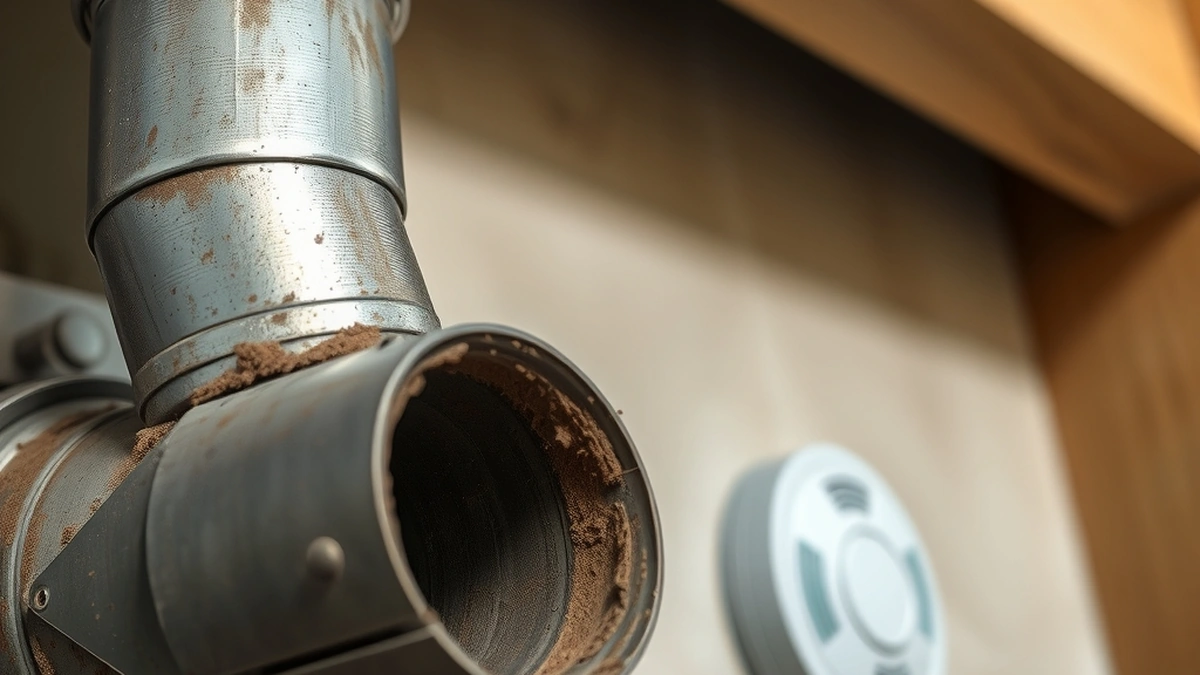
Strange smell: warning signs not to ignore
Which furnace smells are harmless, which mean switch it off, and which mean leave the house. A clear urgency ladder with what each sign can cost.
Read the guide →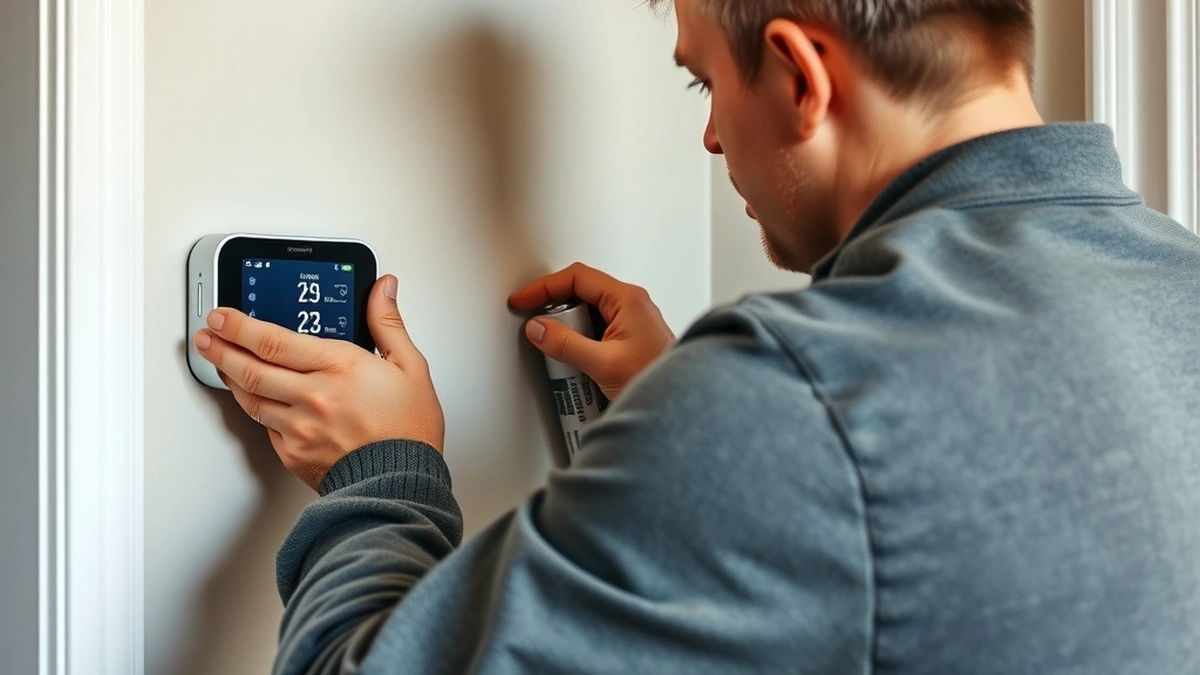
Thermostat not responding: how to prevent it
Five habits that keep a thermostat working, from battery schedules to C-wire planning, plus what to do before a smart upgrade to avoid callbacks.
Read the guide →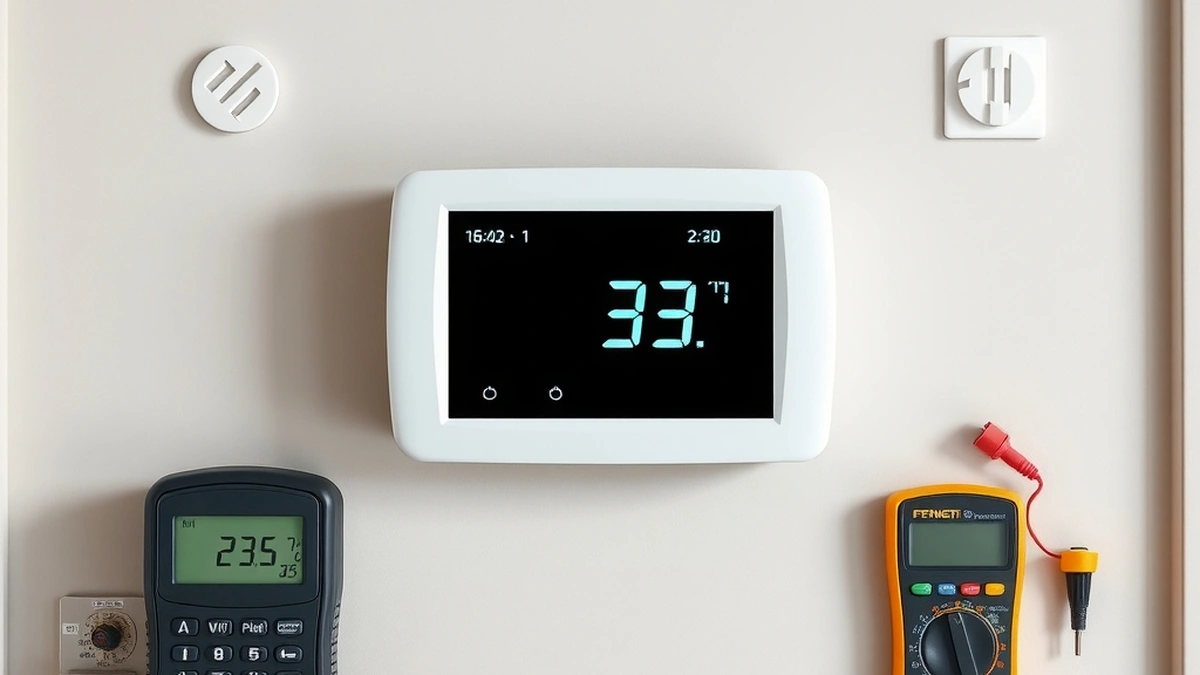
Thermostat not responding: repair options
Six reasons a thermostat stops responding, the fix for each, and how to tell a dead battery from a dead control board before you pay for either.
Read the guide →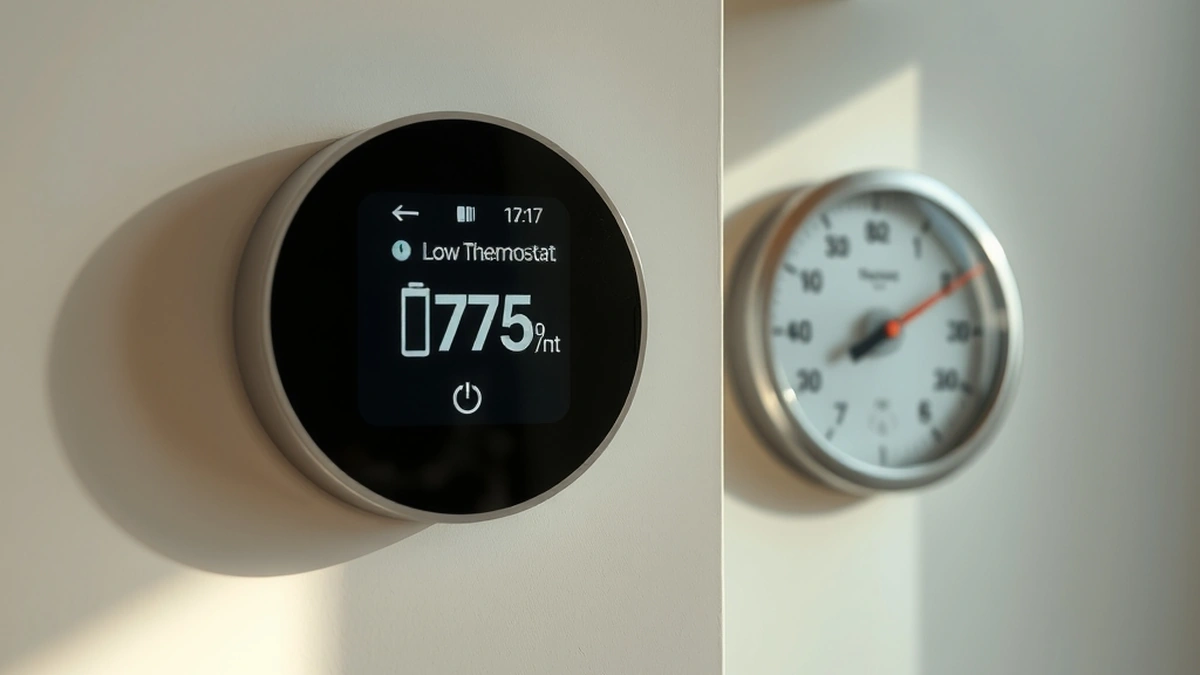
Thermostat not responding: warning signs
Seven early signs a thermostat is failing, how to read them against furnace symptoms, and the free checks to make before booking a $100 to $250 visit.
Read the guide →