Thermostat not responding: how to prevent it
Five habits that keep a thermostat working, from battery schedules to C-wire planning, plus what to do before a smart upgrade to avoid callbacks.
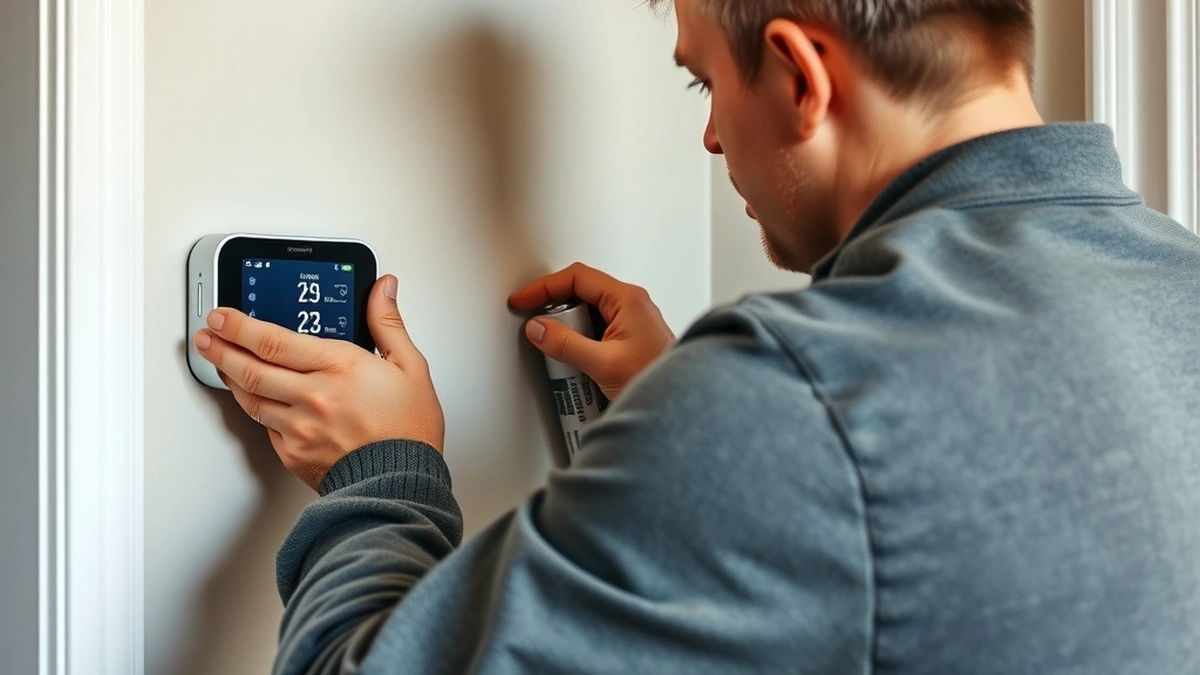
Prevent thermostat failures with a battery change every heating season, a quick check of the furnace switch after any service, a surge protector on the furnace circuit, and a proper C-wire before fitting a smart thermostat. Repairs cost $150 to $600 when prevention fails.
- Batteries
- $5 - $15
- Thermostat fitted
- $150 - $400
- C-wire run
- $150 - $300
- Diagnostic
- $100 - $250
Some links on this page are affiliate links.If you buy through them we may earn a commission at no extra cost to you. We do not accept payment for rankings. Read the full disclosure.
Most thermostat failures are preventable, and none of the measures are expensive. A battery change once a year at $5 to $15, a check of the furnace switch after any service, and a $150 to $300 C-wire before fitting a smart thermostat cover the common causes. When prevention fails, the repair is $150 to $600, and a diagnostic alone is $100 to $250.
The five failure modes and how to avoid them
| Failure | Cause | Prevention | Cost to prevent |
|---|---|---|---|
| Dead batteries | Age, heat, leakage | Annual change | $5 - $15 |
| No power at unit | Switch off, tripped breaker | Check after service | $0 |
| Blown fuse | Surge or short | Surge protection | $20 - $60 |
| Erratic smart unit | Missing C-wire | Run a C-wire first | $150 - $300 |
| Wrong readings | Poor placement | Relocate the unit | $150 - $300 |
Four of the five are handled before anything breaks. The fifth is a design issue that shows up as short cycling rather than a dead display.
Batteries, and why the schedule matters
A thermostat battery is a small cell in a warm, dry place that runs continuously for a year and then fails. The failure is rarely graceful: the display dims, the schedule resets, or the unit stops calling for heat in the middle of a cold night.
Two rules:
- Change them once a year, at the same time you change the furnace filter for the season.
- Never leave a leaking battery in place. Alkaline cells that leak corrode the contacts, and a corroded thermostat is a replacement rather than a battery change.
Some hard-wired thermostats use the battery only as a backup for the clock. Those still need a change, because a dead backup resets the schedule after every power blip.
The switch that gets knocked off
A large share of no-response calls are not failures at all. The furnace service switch is a toggle near the unit, and it gets switched off during filter changes, basement clean-outs and service visits.
The habit: after any work near the furnace, check the switch, confirm the door panel is seated, and confirm the thermostat is in heat mode with a setpoint above room temperature.
That is thirty seconds of prevention against a $100 to $250 service call.
The C-wire, planned rather than discovered
Smart thermostats need a constant 24-volt supply. Older installations often have four wires — R, W, Y, G — with no common.
Without a C-wire, the thermostat draws power through the heating or cooling call. The result is a unit that reboots when the furnace cycles, drops its Wi-Fi connection, or causes the furnace to short cycle because the call signal is intermittent.
Three prevention options:
- Check for a spare conductor behind the thermostat before buying. Builders sometimes ran five or six wires and left the extras unused.
- Run a new conductor at $150 to $300, ideally while other work is happening.
- Use an adapter module at the furnace at $100 to $200 installed, which is adequate for most units.
Buying the thermostat first and discovering the wiring second is how a $200 device becomes a $500 project.
Placement, the invisible fault
A thermostat reads the air at its own location. If that location is wrong, the whole system behaves wrongly.
Problems to look for:
- Direct sun on the unit in the afternoon, which makes it read high and stop heating early.
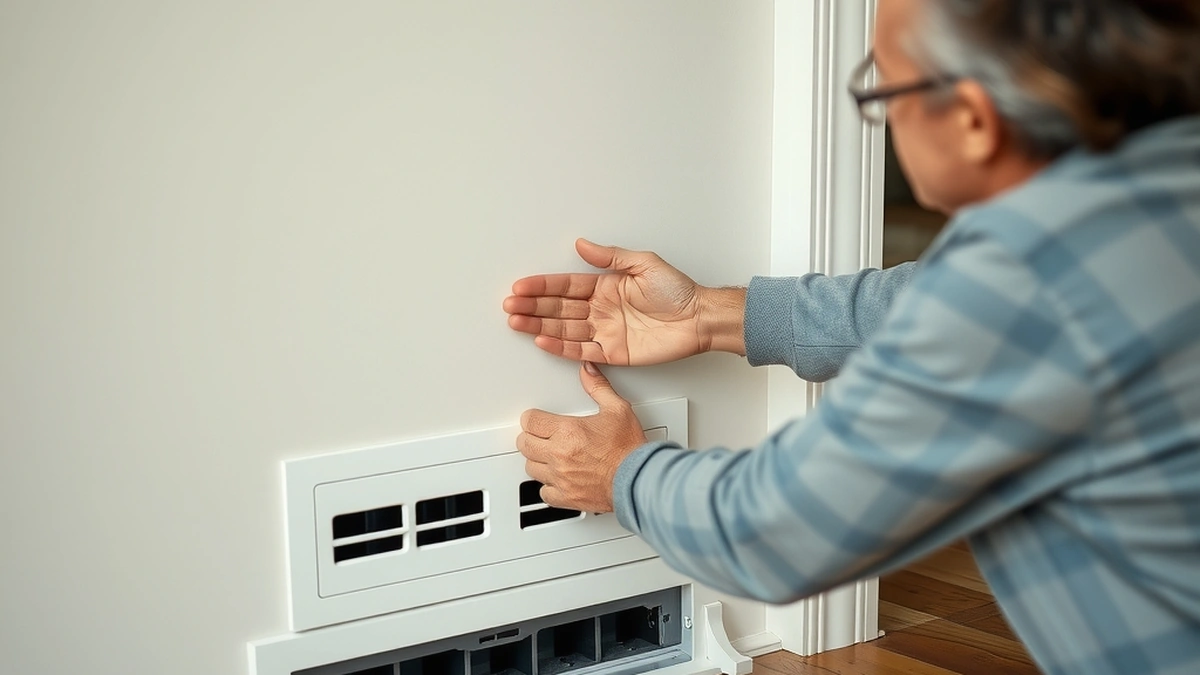
- Near a supply register, which makes it read warm air and short cycle.
- On an exterior wall, which reads the wall temperature rather than the room.
- In a hallway with a door that closes, which isolates it from the rooms it controls.
- Above a television or lamp, which is a local heat source.
Relocation at $150 to $300 is cheaper than the short cycling it causes, which wears the furnace and the blower.
Surge protection
The furnace control circuit is a low-voltage system fed by a transformer on the board. A surge on the incoming power can take out the transformer, the 3-amp fuse or the thermostat.
A surge protective device at the furnace disconnect costs $20 to $60 and is a reasonable addition during any service visit. It is not a guarantee, but it is cheap relative to a $300 to $600 board replacement.
What prevention cannot cover
Two failures are not predictable.
A control board failure from a component ageing out. The prevention is a service relationship and a spare fuse, not a schedule.
A wire chewed by a rodent in a wall or attic. The prevention is pest control and a visual check of exposed cable runs.
Both are repairs rather than maintenance items, and both are diagnosed with a meter rather than replaced on suspicion.
A prevention routine
- Change the batteries once a year at the start of heating season.
- Check the furnace switch and door panel after any service or filter change.
- Confirm a C-wire before buying a smart thermostat.
- Check the thermostat location for sun, drafts and nearby registers.
- Fit a surge protector at the furnace disconnect.
- Note any behaviour change — dim display, dropped schedule, delayed response.
The repair options are in thermostat not responding repair, the costs are in thermostat not responding cost, and the early signs are in thermostat not responding warning signs. For the system-wide service schedule, see furnace repair maintenance.
Batteries once a year. The switch after every service. A C-wire before the smart thermostat. A surge protector when someone is already at the furnace.
None of those is expensive, and together they prevent most of what this category costs.
Frequently asked questions
How often should thermostat batteries be changed?
Once a year, at the start of heating season, or when the low-battery indicator appears. Most units use two AA or AAA cells, and a leak can damage the contacts permanently.
Can a power surge damage a thermostat?
Yes. A surge on the furnace circuit can take out the transformer, the board fuse or the thermostat itself. A surge protector on the furnace disconnect is cheap insurance.
What should I check after any furnace service?
The service switch position, the door panel seating, and the thermostat mode and setpoint. A large share of no-response calls follow a service visit where one of those was left wrong.
Should I install a C-wire before a smart thermostat?
Yes. Confirm a spare conductor or run one before buying the unit. Fitting a smart thermostat on four wires causes reboots, dropped connections and short cycling.
Does thermostat placement matter?
Considerably. A unit on an exterior wall, in direct sun, or near a supply register reads the wrong temperature and causes short cycling or long runs. Relocation is a $150 to $300 job.
Can I prevent a control board failure?
Not reliably, but surges, water intrusion and insect nests are the common causes. Keeping the cabinet sealed, the area dry and the circuit protected reduces the risk.
Sources
Some links are affiliate links.If you buy through them we may earn a commission at no extra cost to you. We do not accept payment for rankings. Read the full disclosure.