Furnace repair maintenance schedule
A month-by-month and season-by-season furnace maintenance schedule, with the tasks you can do yourself and the ones that need a technician.
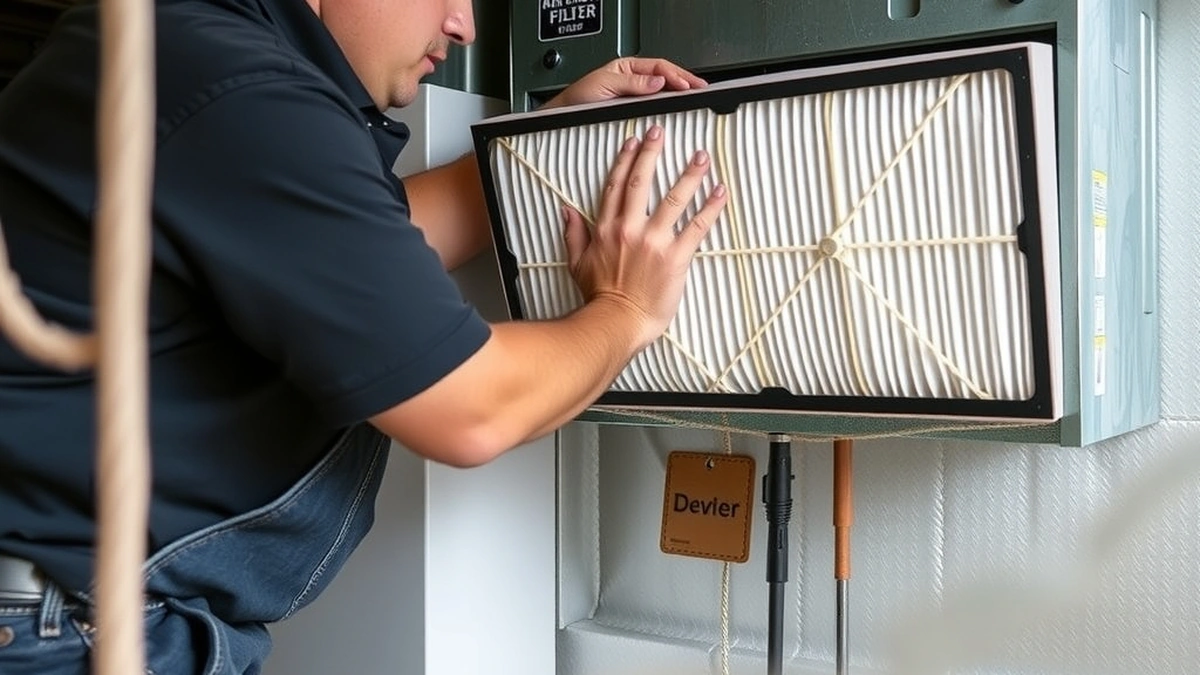
A furnace needs a filter check every month, a filter change every one to three months, and a professional tune-up with a safety check once a year, usually in early autumn. That annual service runs $100 to $250.
- Annual tune-up and safety check
- $100–$250
- Typical repair when maintenance lapses
- $150–$600
- Duct cleaning, if needed
- $300–$800
- Emergency call-out avoided
- $200–$500
Some links on this page are affiliate links.If you buy through them we may earn a commission at no extra cost to you. We do not accept payment for rankings. Read the full disclosure.
A furnace maintenance schedule has three rhythms: a filter check every month, a filter change every one to three months, and a professional tune-up with a safety check once a year. The annual service costs $100 to $250 and is the single highest-return item on the list. Everything else in this guide is either free or close to it.
The schedule at a glance
| Interval | Task | Who does it |
|---|---|---|
| Monthly | Inspect or replace the filter, check the flue for blockage | Homeowner |
| Monthly | Confirm the thermostat holds schedule and reads correctly | Homeowner |
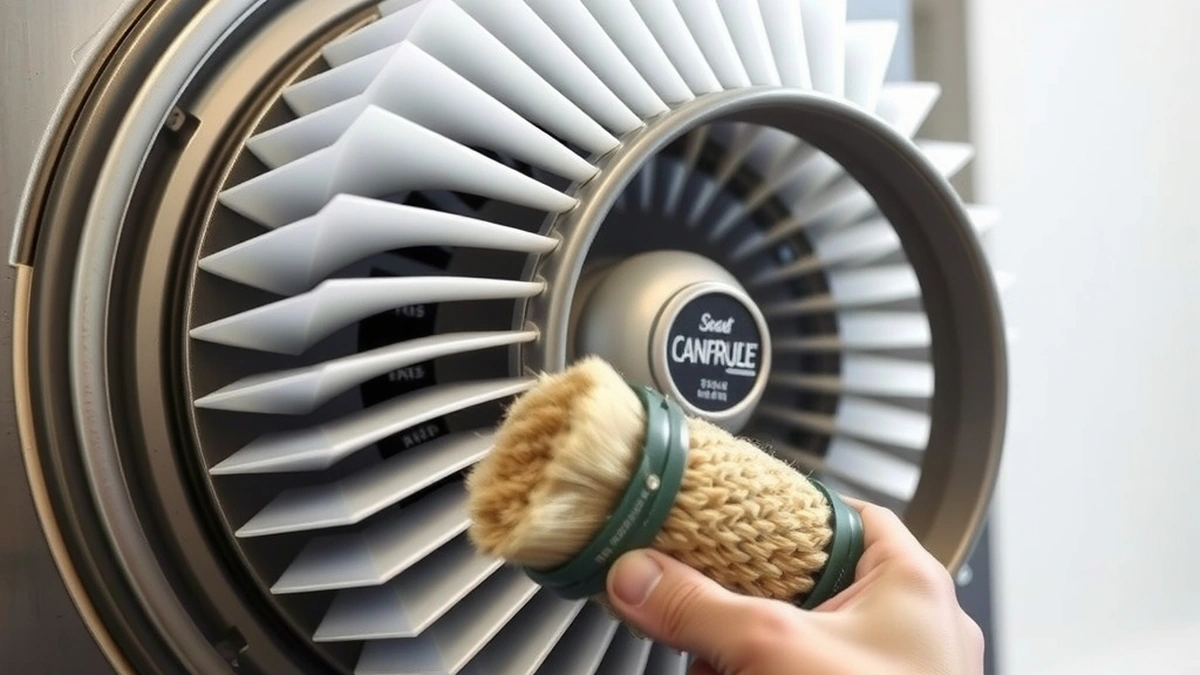
| Every 3 months | Deep clean around the unit, vacuum the blower grille | Homeowner |
| Annually, autumn | Tune-up, combustion analysis, safety check | Licensed technician |
| Annually, spring | Condensate trap and drain check on high-efficiency units | Technician or capable homeowner |
| Every 3–5 years | Duct inspection and cleaning if debris is visible | Duct contractor |
Two visits a year is the norm in cold climates. In mild ones, one autumn service is usually enough.
Monthly tasks that take ten minutes
- Hold the filter up to a light. If you cannot see through it, replace it. A 1-inch pleated filter runs a few dollars and protects the blower from a load it was never designed to carry.
- Look at the flue pipe. Check for sagging, disconnected joints, or corrosion on the metal. On a condensing furnace, check the PVC termination outside for ice or nests.
- Check the thermostat. Confirm it is on HEAT, the schedule is intact, and the displayed temperature matches a separate thermometer within a degree or two.
- Clear the space around the unit. A furnace needs air. Stored boxes against the cabinet restrict combustion air intake and return airflow.
None of these require tools, and together they prevent a large share of the no-heat calls that cost $150 to $600 to resolve. Keep a spare filter on the shelf in the size printed on the old one — filter dimensions are nominal, and a “20x25” from one brand can measure differently from another. Buy the size the furnace was set up for, not the size the label promises.
What the annual tune-up actually covers
A proper service visit is not a filter change with an invoice. It should include:
- Burner removal, cleaning, and inspection of the flame pattern
- Flame sensor cleaning and microamp reading
- Igniter inspection and resistance check
- Combustion analysis with a digital analyzer
- Temperature rise measured against the data plate
- Gas manifold pressure verified at the valve
- Inducer and blower amp draw compared with nameplate
- Condensate trap cleaned and drain verified
- Limit, rollout, and pressure switches tested
- Heat exchanger inspected for cracks and corrosion
- Venting and termination checked for slope, blockage, and clearances
If any of those are missing from the technician’s checklist, ask why. Our furnace inspection article goes deeper on the safety items, particularly the heat exchanger and venting checks.
The arithmetic of annual service
A tune-up at $150 a year for 15 years is $2,250. That is less than the low end of a furnace replacement at $3,000, and it is the cost of keeping the original unit alive long enough to reach the end of its service life.
Compare it with the alternative. One ignored filter leads to an overheated blower motor at $400 to $600. One skipped combustion check lets a dirty burner run rich until the heat exchanger suffers. One January emergency call adds $200 to $500 on top of the repair.
Two emergency calls plus one blower motor is $1,000 to $1,700 — the cost of seven to eleven years of annual service, spent in a single winter.
Spring tasks for high-efficiency units
Condensing furnaces produce water, and water finds the lowest point. In spring, the condensate trap and the drain line need clearing before the cooling season changes how the unit runs.
Look for standing water in the trap, slime in the line, and a drain that terminates somewhere it can freeze. A blocked condensate line shuts a condensing furnace down with a pressure switch fault that looks like a much more expensive problem.
Also check the fresh-air intake and exhaust terminations outside. Both should be clear of vegetation, snow line, and any new fence or deck built since last year.
Maintenance does not reset the clock
A tune-up keeps a furnace running at its design spec. It does not add years to the heat exchanger, and it does not turn an 18-year-old unit into a 10-year-old one.
That matters when you are deciding whether to spend money. If a technician finds a cracked heat exchanger during a tune-up, the maintenance did its job by finding it early — but the answer is still repair or replacement, not another service visit. Our guide to when furnace repair is worth it covers how to weigh that call. Our furnace repair installation article explains what the physical work involves if you go ahead.
For the parts you can safely handle yourself between visits, see DIY furnace repair. For what a lapsed schedule eventually costs, how much furnace repair costs lays out the price of each common failure.
Book the autumn visit in September, change the filter when it looks loaded, and keep the area around the cabinet clear. That is the whole schedule, and it is enough to get most furnaces to 15 years.
Frequently asked questions
How often should a furnace be serviced?
Once a year, ideally in early autumn before the first cold snap. Manufacturers generally require annual service by a licensed technician to keep the warranty valid.
How often do I change the furnace filter?
Every one to three months for a standard 1-inch filter. Thick media filters last six to twelve months. Check monthly and change when the surface is visibly loaded.
Is an annual tune-up really necessary?
Yes. It catches dirty burners, failing igniters, and venting problems before they become no-heat calls, and most warranties depend on documented annual service.
What does a tune-up include?
Burner cleaning, flame sensor cleaning, combustion analysis, temperature-rise measurement, gas pressure check, condensate trap clearing, and verification of the limit and pressure switches.
Can I do furnace maintenance myself?
Filters, thermostat batteries, the exterior of the cabinet, and clearing the area around the unit are all homeowner tasks. Gas-side and combustion work is not.
When should I book the appointment?
September or early October. Shops fill up fast once the first cold front arrives, and emergency rates of $200 to $500 apply after hours.
Sources
Some links are affiliate links.If you buy through them we may earn a commission at no extra cost to you. We do not accept payment for rankings. Read the full disclosure.