
Methods guides
Methods and materials for furnace repair.
The options, and what each one does
Furnace Repair is sold as one product and behaves as several. The table separates them by what they are made of and where they fit.
| Option | What it is | Where it fits |
|---|---|---|
| Gas furnace | Natural gas or propane | Most common in cold climates |
| Electric furnace | Resistance heat | No gas line, higher running cost |
| Heat pump | Air-source | Efficient in mild winters |
| Boiler | Hydronic | Radiators and baseboard |
| Ductless mini-split | Per-room | No ducts, zoned |
How the choice is made
The decision order is the same in every project: diagnose the problem, set the budget, then pick the material. Buyers who start with the material usually re-do the job. A contractor who quotes a method before inspecting the site is guessing.
What we check before recommending a method
- Does the material match the exposure — sun, salt, freeze-thaw, water?
- Is the substrate or structure adequate for it?
- Does the warranty cover the failure mode that actually happens?
- Is the maintenance schedule realistic for the owner?
The cost hub carries the installed ranges, and the comparison hub puts the two closest options side by side.
Which option lasts longest?
It depends on exposure more than on brand. The premium material installed badly fails before the mid-range material installed properly.
Can I change method later?
Sometimes, at a cost. Ask what the removal and disposal line would be before choosing the cheaper option now.
All methods guides
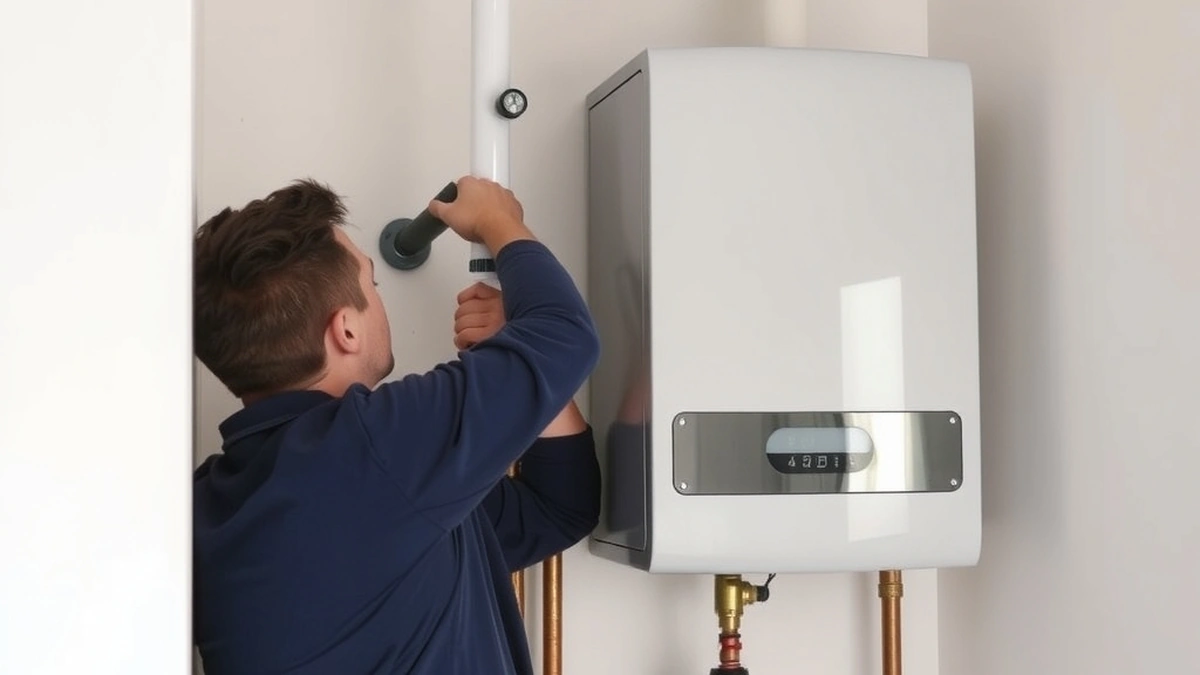
Boiler installation: steps, permits, and what to expect
Boiler installation runs $4,000 to $8,000 and takes one to three days. Here is each stage, the venting decision, and the commissioning checks to demand.
Read the guide →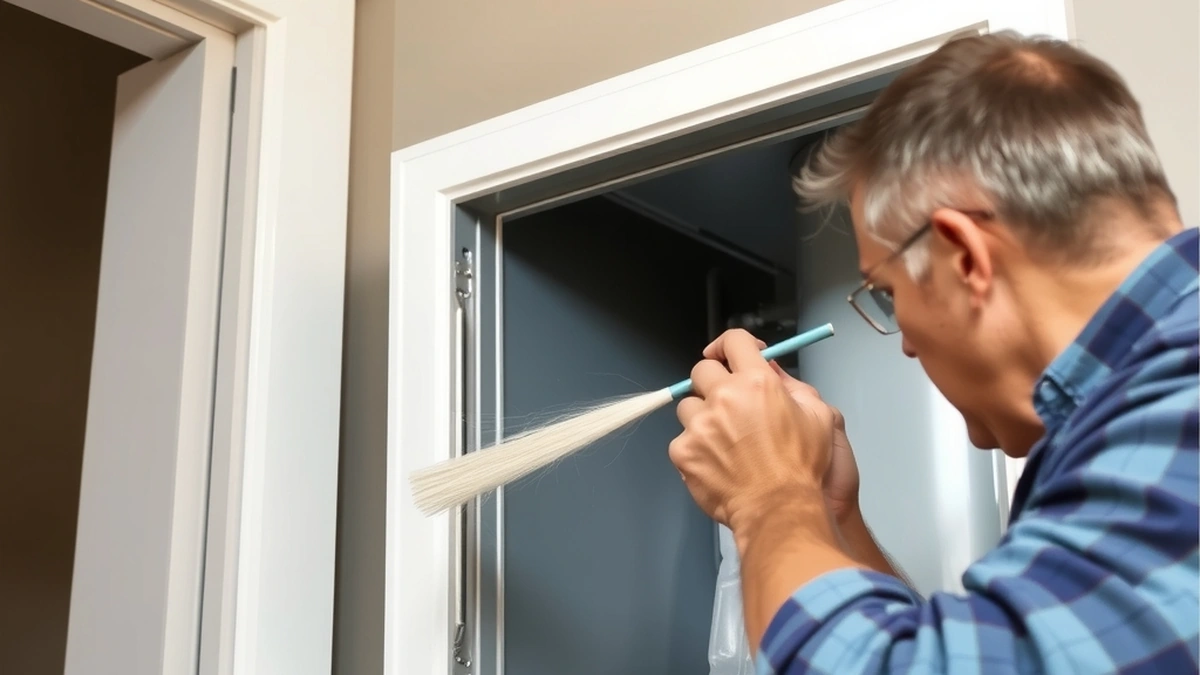
DIY furnace repair: what you can and cannot do
Filters, thermostats, breakers, and flame sensors are fair game. Gas valves, heat exchangers, and venting are not. Here is the dividing line.
Read the guide →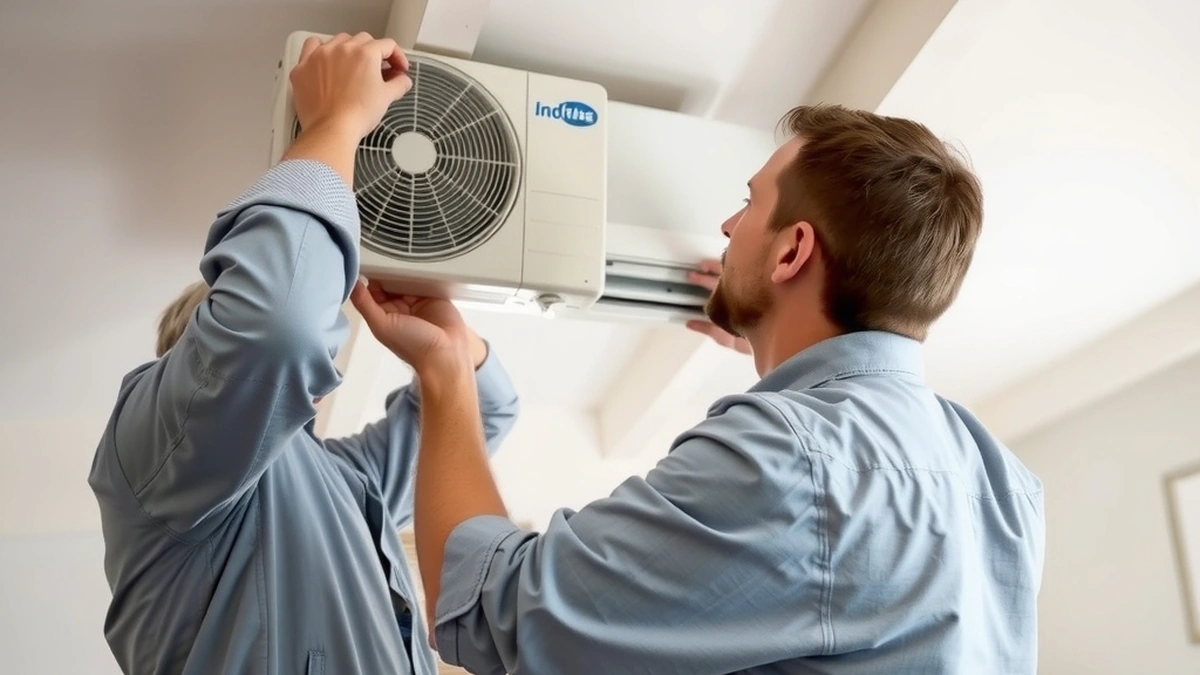
Ductless mini-split installation: what the job involves
A ductless mini-split install takes one day for a single zone and two to three days for three zones. Here is each stage, in order, and what to check.
Read the guide →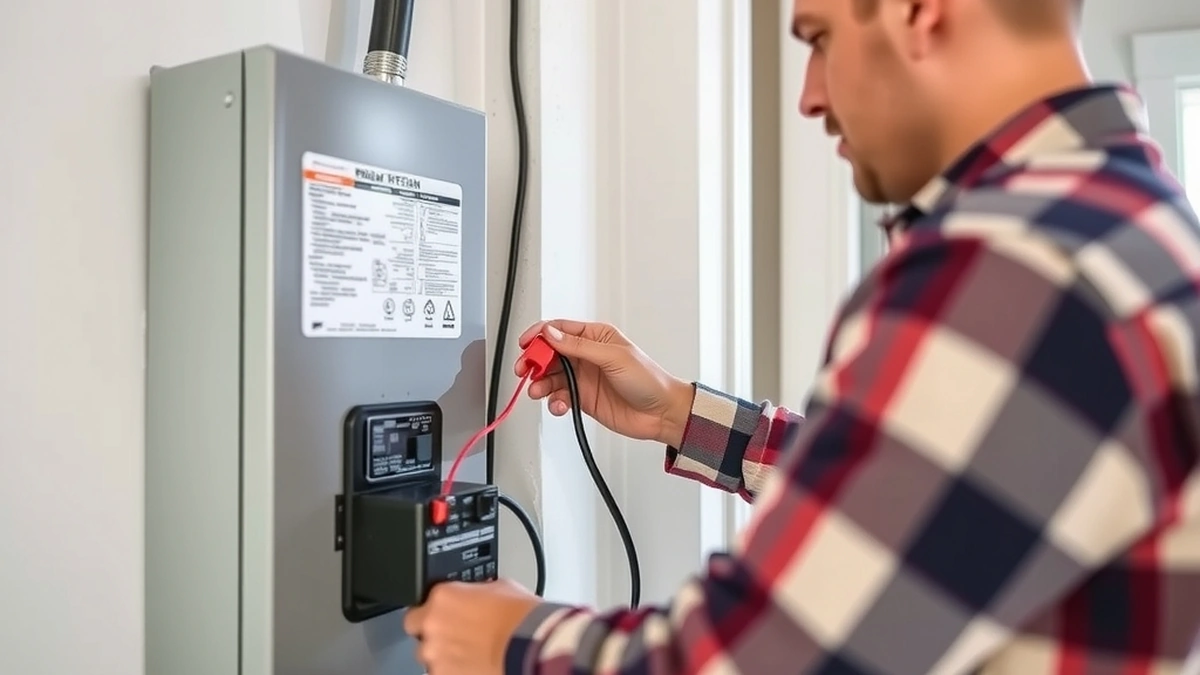
Electric furnace installation: circuit, panel, and duct
An electric furnace installation is mostly electrical: a dedicated 240-volt circuit, breaker sizing, and a panel that can carry the load. Here is the process.
Read the guide →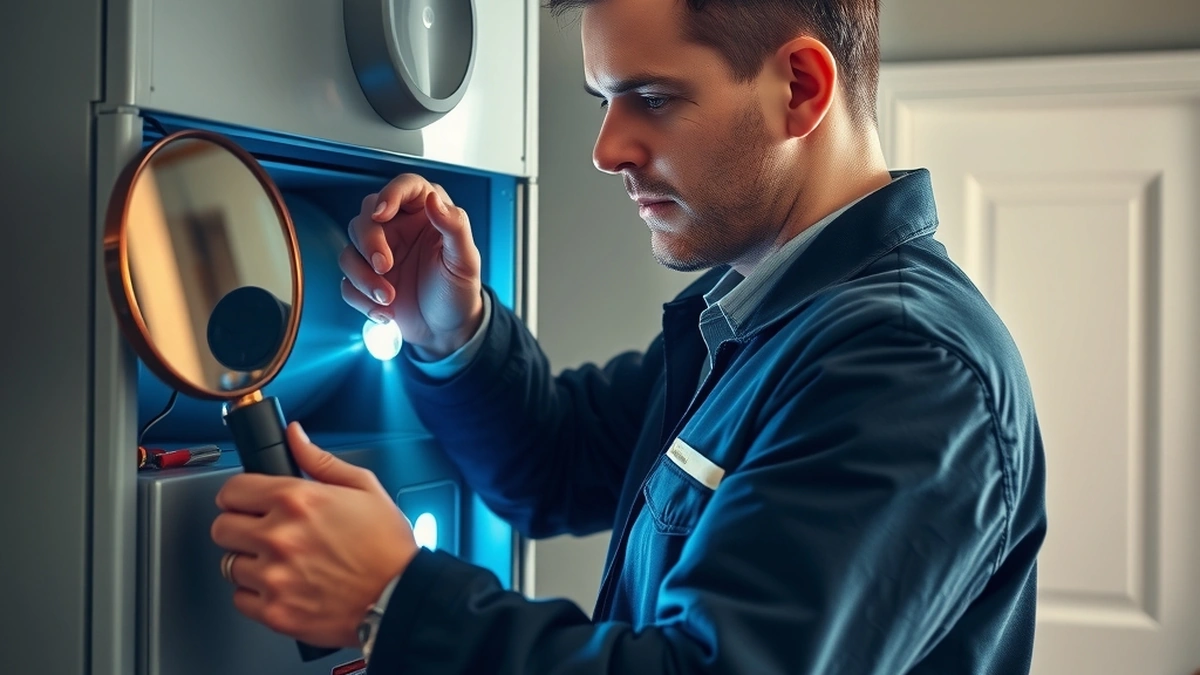
Furnace Inspection Services: What Technicians Check
A straightforward guide to what a furnace inspection covers, what it costs, and how it helps you avoid emergency repairs.
Read the guide →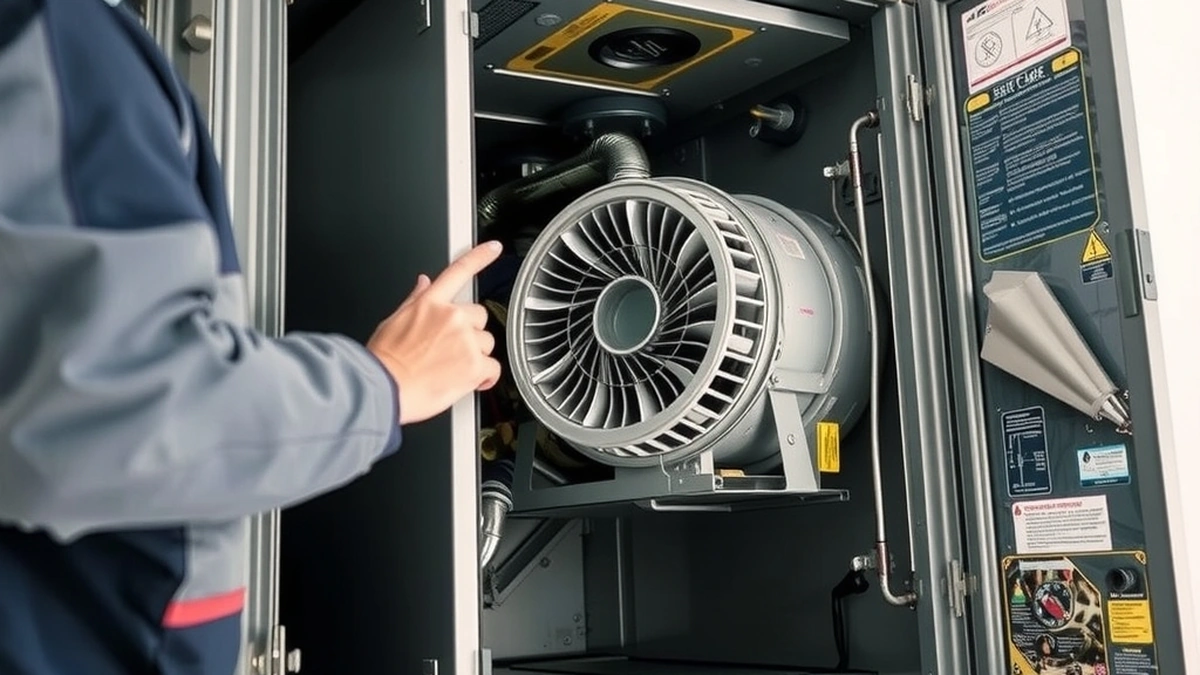
Furnace repair installation: what it involves
A furnace repair installation means removing a failed part, refitting it, and proving the unit runs safely. Here is the sequence, the hours, and the cost.
Read the guide →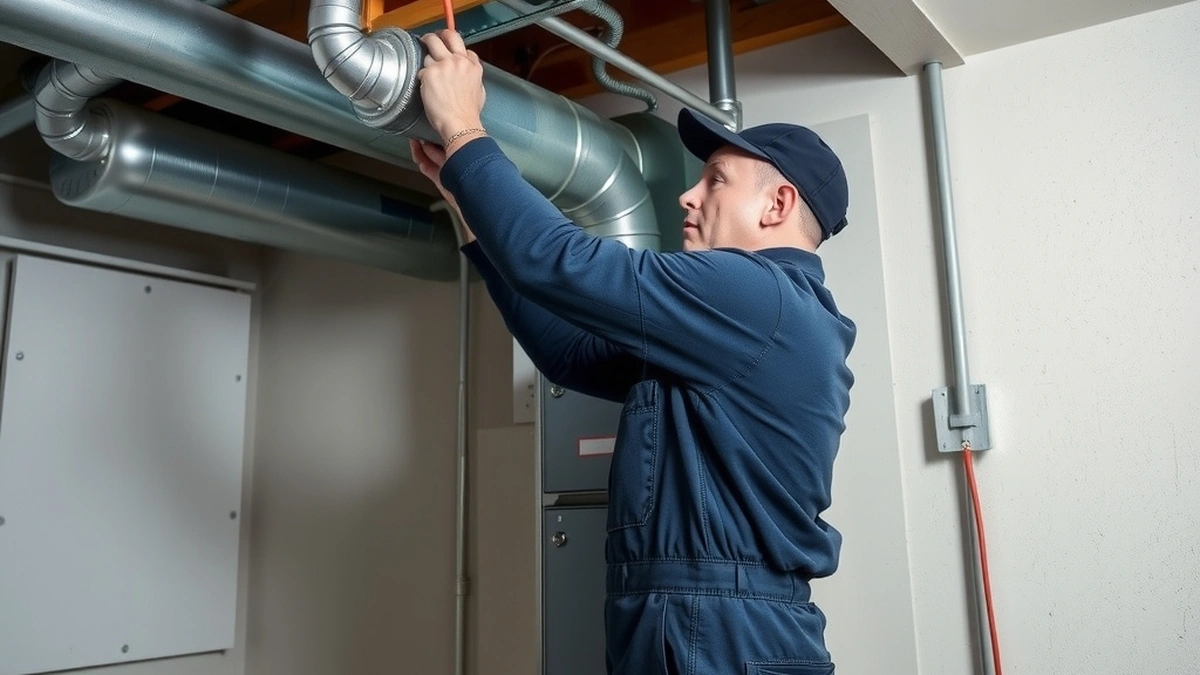
Gas furnace installation: the process, start to finish
A gas furnace installation takes one to two days: load calculation, venting, gas piping, duct transition, and commissioning. Here is the full sequence.
Read the guide →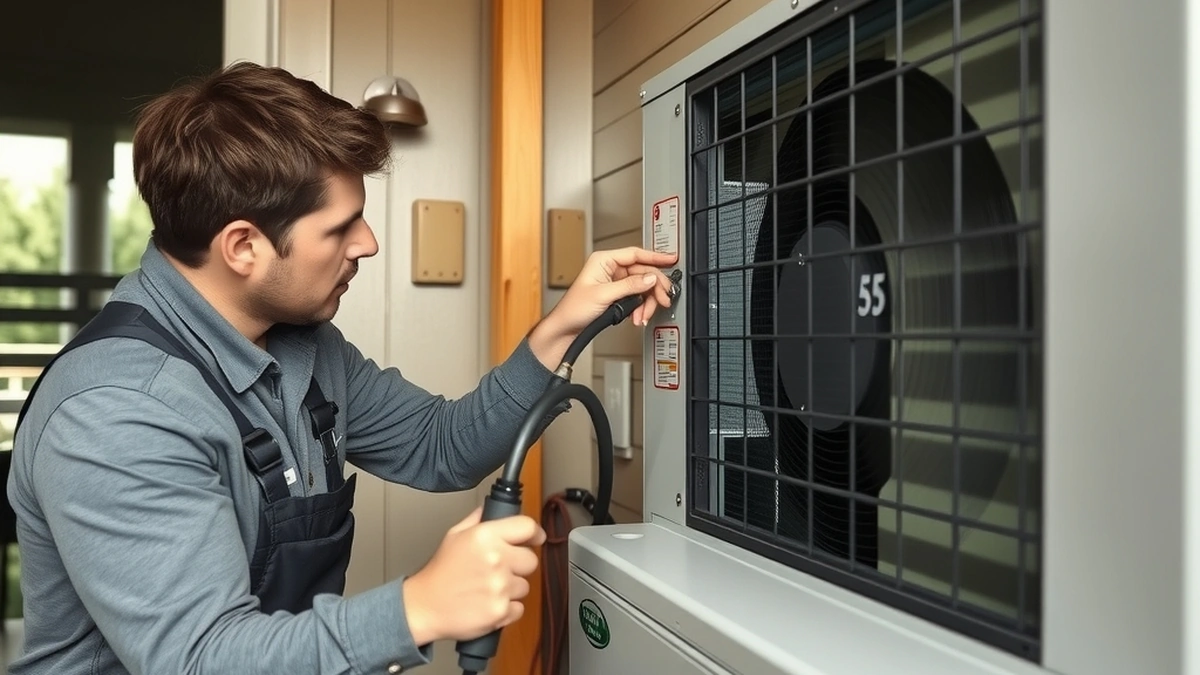
Heat pump installation: what the job actually involves
Heat pump installation runs $5,000 to $12,000 and takes one to three days. Here is each stage of the work, the permits, and the checks to insist on.
Read the guide →
How long does furnace repair last?
A repair lasts as long as the part installed. Igniters go three to seven years, blower motors ten to fifteen. Here is the range and what shortens it.
Read the guide →
Types of furnace repair
Furnace repairs fall into six groups — ignition, airflow, gas and combustion, electrical, mechanical, and venting. Here is what each one involves.
Read the guide →