Furnace Inspection Services: What Technicians Check
A straightforward guide to what a furnace inspection covers, what it costs, and how it helps you avoid emergency repairs.
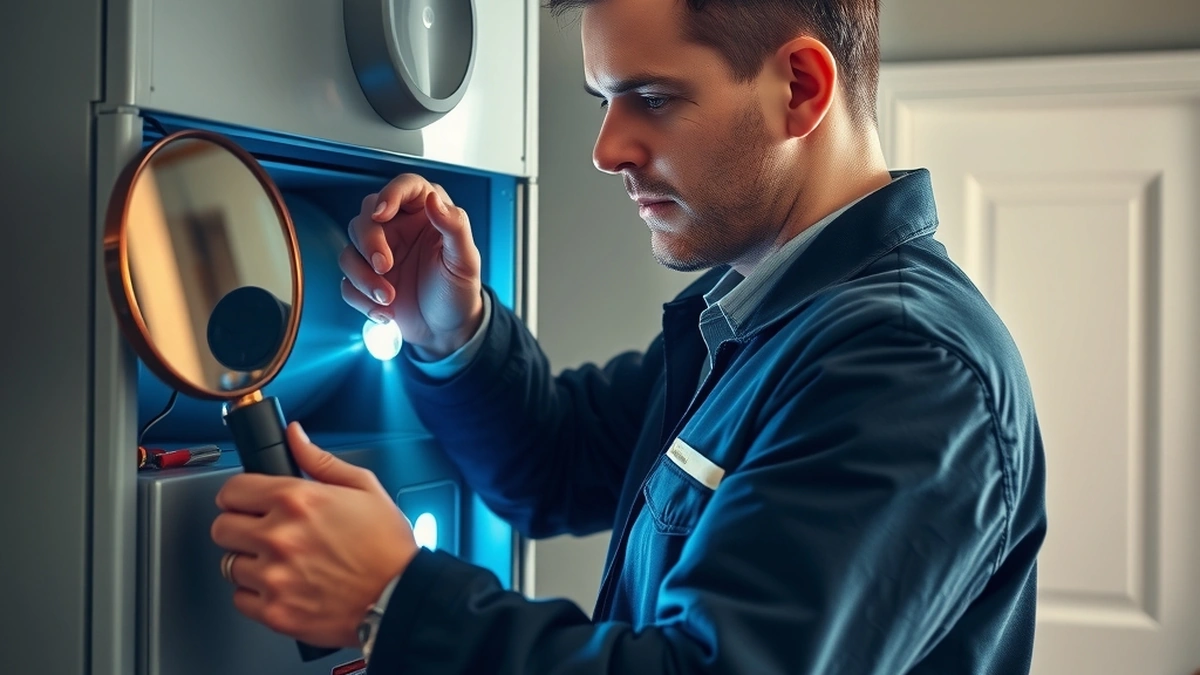
A furnace inspection is a professional safety and performance check that typically costs $100-$250 and covers burners, heat exchanger, venting, controls, and airflow.
- Typical cost
- $100-$250
- Recommended frequency
- Once per year
- Main goal
- Safety and efficiency
- Common repairs found
- $150-$600
Some links on this page are affiliate links.If you buy through them we may earn a commission at no extra cost to you. We do not accept payment for rankings. Read the full disclosure.
A furnace inspection is a professional check of your heating system’s safety and performance. A technician examines combustion components, venting, electrical controls, and airflow to catch problems before they become emergencies. The service usually costs between $100 and $250.
What a Furnace Inspection Covers
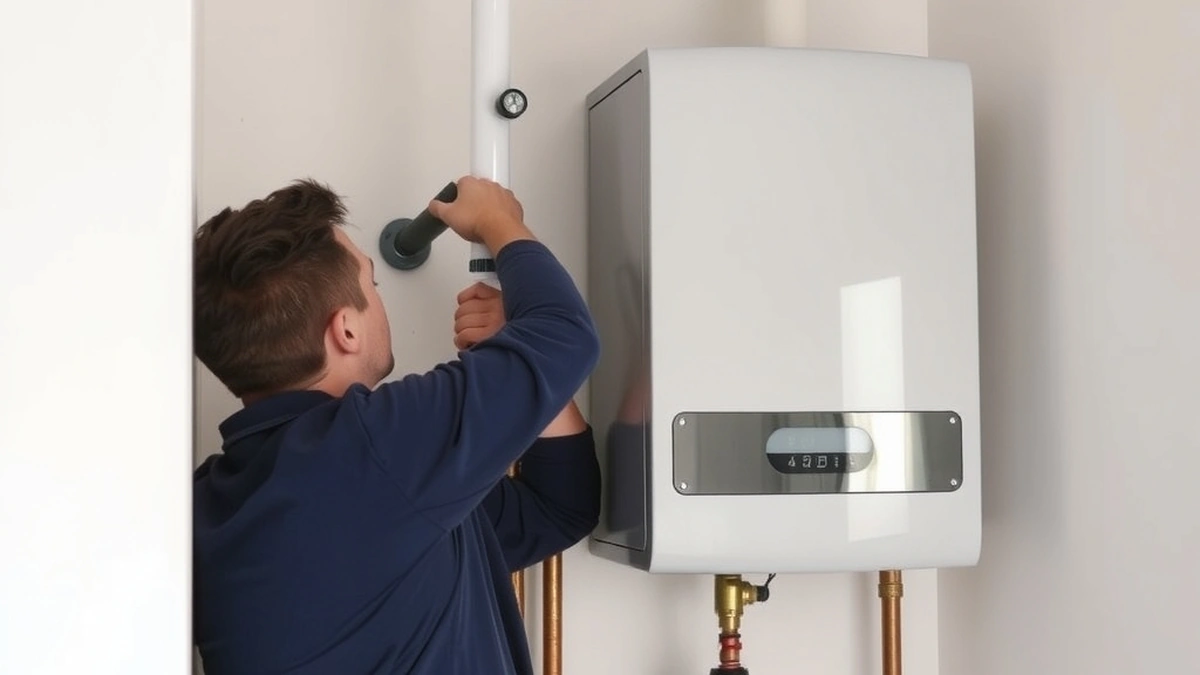
Technicians follow a standard sequence during a furnace inspection. They are not there to sell you a new system unless the evidence clearly supports it. Their job is to verify that the furnace runs as designed and that nothing poses an immediate safety risk.
The main checkpoints include:
- Heat exchanger – The technician looks for cracks, rust, or corrosion. A damaged heat exchanger can allow combustion gases into the living space.
- Burners and ignition – Burners are checked for proper flame color, alignment, and cleanliness. Ignition systems are tested for reliable startup.
- Venting and flue – Vent pipes are inspected for blockages, corrosion, and proper slope. Clear venting prevents carbon monoxide from backing up into the home.
- Gas pressure and combustion – Manifold pressure is measured and compared to the manufacturer’s specification. Incorrect pressure wastes fuel and can damage components.
- Electrical controls – Limit switches, pressure switches, and the control board are tested for correct sequencing and shutdown behavior.
- Airflow and filter – The blower motor, belt (if equipped), and filter condition are evaluated. Restricted airflow reduces efficiency and can overheat the heat exchanger.
- Thermostat and safety controls – The thermostat is checked for accurate temperature reading, and safety limits are verified to shut the furnace down if something goes wrong.
What the Numbers Mean for Cost
A furnace inspection is priced separately from repairs. The typical tune-up and safety check costs $100 to $250. If the technician finds a problem, repair work is quoted separately.
Common furnace repairs generally fall between $150 and $600. For example, if a pressure switch fails and the part costs an estimated $60 with two hours of labor at $90 per hour, the total estimate would be $60 plus ($90 × 2), or $240. That falls inside the common repair range.
If the inspection reveals a cracked heat exchanger on an older furnace, replacement may be the more practical path. A full furnace replacement typically runs $3,000 to $8,000 depending on unit size, efficiency, and labor. Comparing a $200 inspection against a $5,000 replacement shows why early detection matters.
You can use simple arithmetic to compare options. If an inspection costs $150 and identifies a $300 repair, your total is $450. Ignoring the issue could lead to a no-heat emergency call, which often costs $200 to $500 just for the visit, plus the repair itself. Over several seasons, annual inspections usually cost less than one major failure.
When to Schedule an Inspection
The best time for a furnace inspection is early fall, before heating demand peaks. Technicians are generally less busy then, and you avoid the winter rush when emergency call-outs cost $200 to $500 on top of repair prices.
You should also schedule an inspection if you notice:
- Unusual odors when the furnace starts
- Uneven heating between rooms
- Short cycling, where the furnace turns on and off rapidly
- Higher fuel bills without a change in usage
- A yellow or flickering burner flame instead of a steady blue one
These symptoms do not always mean the furnace is failing, but they justify a professional look.
DIY Checks vs. Professional Service
Homeowners can handle a few basic tasks between professional visits. Checking the filter monthly and replacing it when dirty helps maintain airflow. Keeping supply and return registers unblocked by furniture or rugs also supports even heating.
However, internal inspection requires tools and training most homeowners do not have. Combustion analysis, gas pressure measurement, and heat exchanger examination should be left to a technician. Attempting to adjust gas valves or bypass safety switches can create serious hazards and void equipment warranties.
How Inspection Fits Into Broader HVAC Decisions
An inspection report gives you data to plan ahead. If your furnace is 15 to 20 years old and the technician finds repeated issues, you can compare repair costs against replacement. A $400 repair on a 20-year-old furnace may not make sense when a new system costs $3,000 to $8,000 and operates more efficiently.
If you are considering switching from a furnace to a heat pump, heat pump installation typically ranges from $5,000 to $12,000. An inspection can tell you whether your current ductwork and electrical service are ready for that change, or whether you need additional upgrades first.
Duct condition also affects furnace performance. If the technician finds excessive dust or debris in the system, duct cleaning may be recommended. Duct cleaning generally costs $300 to $800, but it is not required with every inspection and should only be done when there is a clear need.
Choosing a Service Provider
Look for a technician who will explain what they checked and provide a written report. Avoid anyone who uses pressure tactics or claims your furnace is unsafe without showing you the evidence. A good inspection ends with clear options: continue as-is, schedule a repair, or plan for replacement.
If you need help finding a qualified provider, you can start with our guides on furnace repair and maintenance and how much furnace repair costs. For specific system types, see our overview of electric furnace repair.
What to Expect After the Visit
After the inspection, you should receive a summary of findings. This typically lists each component checked, its condition, and any recommended next steps. If no issues are found, the service is complete until the next annual visit. If repairs are needed, the technician should provide an estimate before starting work.
An inspection does not guarantee a problem-free winter, but it significantly reduces the chance of a surprise breakdown. For most homeowners, spending $100 to $250 once a year is cheaper than facing a $3,000 to $8,000 replacement because a small issue went unnoticed.
Regular inspections are a practical part of home ownership. They keep your furnace running efficiently, help you budget for repairs, and give you confidence that your heating system will work when you need it most.
Frequently asked questions
What does a furnace inspection include?
A technician checks the heat exchanger, burners, venting, gas pressure, electrical controls, airflow, thermostat operation, and safety shutdowns.
How often should I inspect my furnace?
Most manufacturers and utility programs recommend one inspection per year, ideally before the heating season starts.
Is a furnace inspection the same as a tune-up?
They are closely related; an inspection focuses on safety and diagnosis, while a tune-up adds cleaning and adjustment tasks.
Can I inspect my own furnace?
Homeowners can check filters and vents, but internal components and combustion safety require a trained technician with proper tools.
What happens if I skip inspections?
Small issues can become costly repairs or replacement, and undetected venting or heat exchanger problems can create safety hazards.
How much does furnace repair cost after an inspection?
Common furnace repairs typically range from $150 to $600, depending on the part and labor required.
Sources
Some links are affiliate links.If you buy through them we may earn a commission at no extra cost to you. We do not accept payment for rankings. Read the full disclosure.