DIY furnace repair: what you can and cannot do
Filters, thermostats, breakers, and flame sensors are fair game. Gas valves, heat exchangers, and venting are not. Here is the dividing line.
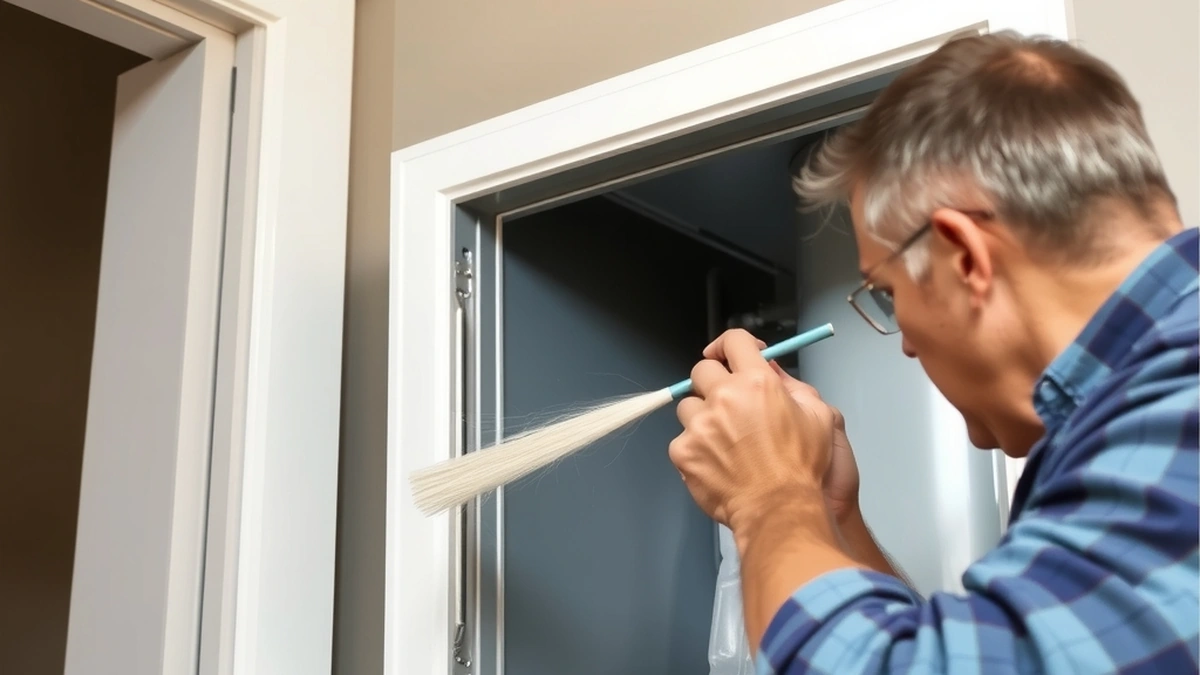
A homeowner can change filters, replace thermostat batteries, reset breakers, clear vents and drains, and clean a flame sensor. Gas valves, heat exchangers, venting, and combustion adjustment belong to a licensed technician.
- Filter replacement
- $10–$30
- Professional tune-up
- $100–$250
- Typical repair
- $150–$600
- Emergency call-out
- $200–$500
Some links on this page are affiliate links.If you buy through them we may earn a commission at no extra cost to you. We do not accept payment for rankings. Read the full disclosure.
You can change a filter, replace thermostat batteries, reset a breaker, clear a condensate line, and clean a flame sensor. You cannot touch the gas valve, the heat exchanger, the venting, or anything that involves combustion adjustment. That is the dividing line, and it is drawn by risk rather than by difficulty.
The rule behind the line
Furnace work splits into two categories: tasks where the worst outcome is a furnace that still does not run, and tasks where the worst outcome is a fire, a gas leak, or carbon monoxide in the living space.
Everything in the first category is fair game for a careful homeowner. Everything in the second belongs to someone with a combustion analyzer, a manometer, and liability insurance. A repair that costs $150 to $600 is not worth a hospital visit.
What you can do safely
| Task | Difficulty | Frequency |
|---|---|---|
| Replace the air filter | Easy | Every 1–3 months |
| Change thermostat batteries | Easy | Yearly |
| Reset the furnace breaker | Easy | As needed |
| Clear the condensate trap and line | Moderate | Seasonal |
| Clean the flame sensor | Moderate | As needed |
| Vacuum the blower compartment exterior | Easy | Seasonal |
| Check the exterior vent termination | Easy | Seasonal |
| Replace a thermostat | Moderate | Once |
These are all either no-voltage or 24-volt tasks. None of them involve opening a gas line or adjusting a burner.
The five DIY repairs worth knowing
- Change the filter. Kill the furnace at the switch, slide the old filter out, note the arrow direction, and fit the new one the same way. A loaded filter is behind a large share of overheating calls.
- Reset the breaker. Find the dedicated circuit in the panel, switch it fully off, wait thirty seconds, switch it on. If it trips again immediately, stop and call a technician — a repeated trip is a fault, not a glitch.
- Clean the flame sensor. Power off at the switch. Remove the single screw, pull the rod, buff it with fine steel wool until it is bright, wipe it clean, and reinstall. Do not sand it with coarse paper, and do not bend the rod.
- Clear the condensate trap. On a high-efficiency furnace, remove the trap, rinse it, and check the drain line for slime. A blocked trap shuts the unit down with a pressure switch fault.
- Check the vent termination outside. Make sure the intake and exhaust are clear of snow, leaves, nests, and anything a recent landscaping project left behind.
Each of those costs nothing or close to it. Together they prevent a meaningful share of the no-heat calls that end in a $150 to $600 invoice.
What you must not do
- Gas valve work. Adjustment, replacement, and leak testing require a manometer and a combustible gas detector, and a mistake can fill a house with gas.
- Heat exchanger repair or replacement. This is the component that separates combustion gas from the air you breathe. There is no safe DIY path.
- Venting changes. Flue length, slope, material, and termination clearances are code items with real consequences. Cutting a new hole in a roof is not a homeowner repair.
- Combustion adjustment. Air shutters and gas pressure settings change the CO output. Without an analyzer you are guessing at a number you cannot see.
- Bypassing a safety switch. A jumped limit, rollout, or pressure switch turns a protected appliance into an unprotected one. If a switch keeps tripping, the switch is reporting a problem, not causing it.
- Anything on a gas line, including the union at the furnace.
If any of those are on your list, the $150 to $600 repair is the cheap option.
A gas smell is not a repair call
If you smell gas, leave the building. Do not flip light switches, do not use a phone inside, do not open the furnace panel to look. Call your gas utility’s emergency number from outside or from a neighbour’s house.
That is not caution for its own sake. A gas-air mixture at the right concentration ignites from a switch or a phone, and the utility will attend for free.
When DIY stops being worth it
The economics are simple. A filter costs $10 to $30 and takes five minutes. A professional tune-up costs $100 to $250 and includes combustion analysis, gas pressure verification, and a heat exchanger inspection — none of which you can do.
The break-even is not about money. It is about the diagnostic step. Once the furnace needs a fault identified rather than a filter changed, you are paying for a skill, and the tools to acquire that skill cost more than the visit. Our guide to types of furnace repair shows the range of faults that fall on the professional side of the line.
There is also the warranty question. Most manufacturer warranties exclude damage from improper service, and some require documented annual maintenance by a licensed technician. A DIY repair that goes wrong can cost you coverage on a unit that still had years left.
What to do after your DIY check
If the filter is clean, the breaker holds, the sensor is bright, and the furnace still will not light, stop. You have eliminated the homeowner-level causes, which is exactly the information a technician needs.
Write down what you checked and what happened. “Replaced filter, reset breaker, cleaned flame sensor, still no ignition, no fault code” saves diagnostic time, and some shops charge less for a call that arrives with that note.
Then read our furnace inspection guide so you know what the technician should be doing, and the maintenance schedule so the next visit is a tune-up at $100 to $250 rather than a repair. For electric units the safe DIY list is slightly different, and our electric furnace repair article covers it.
The summary: filters, thermostats, breakers, drains, and sensors are yours. Gas, heat exchangers, venting, and safety switches are not.
Frequently asked questions
Can I legally repair my own furnace?
In most US states a homeowner may work on their own equipment in their own home. That permission does not extend to gas piping, venting changes, or anything a permit covers.
What furnace repairs are safe for a homeowner?
Filter changes, thermostat replacement, breaker resets, flame sensor cleaning, condensate line clearing, and exterior vent checks. All of these are low-voltage or no-voltage tasks.
Can I clean the flame sensor myself?
Yes, on most furnaces. Kill power at the switch, remove the single screw holding the sensor, clean the rod with fine steel wool, and reinstall without bending it.
Why should I not touch the gas valve?
It involves gas pressure, leak testing, and combustion adjustment. A mistake can cause a leak, a fire, or carbon monoxide production, and the work may void your insurance.
What if the furnace smells like gas?
Leave the building, do not operate switches or phones inside, and call your gas utility's emergency line from outside. That is not a DIY situation at any skill level.
Does DIY work void the furnace warranty?
It can. Most manufacturer warranties exclude damage caused by improper installation or service, and some require documented annual service by a licensed technician.
Sources
Some links are affiliate links.If you buy through them we may earn a commission at no extra cost to you. We do not accept payment for rankings. Read the full disclosure.