Blower motor failure: how to prevent it
Five measures that extend blower life, from a $15 filter to correct static pressure, and why most motors fail early because of the duct they sit behind.
Prevent blower motor failure with a clean filter every one to three months, a clean blower wheel at tune-up, open returns, and a static pressure check at $100 to $250. Most early motor failures are caused by restricted airflow, not by the motor itself.
- Filter
- $15 - $40
- Tune-up
- $100 - $250
- Wheel cleaning
- $150 - $250
- Motor replacement
- $400 - $900
Some links on this page are affiliate links.If you buy through them we may earn a commission at no extra cost to you. We do not accept payment for rankings. Read the full disclosure.
Blower motors are usually killed by the system around them rather than by their own bearings. A restricted filter, a matted wheel, too many closed registers or undersized ducts all raise static pressure, and the motor runs hotter and harder until it fails. Prevention costs $15 to $40 for a filter and $100 to $250 for a tune-up that measures airflow, against $400 to $900 for a motor.
Why the motor fails
Four mechanisms account for most residential blower failures.
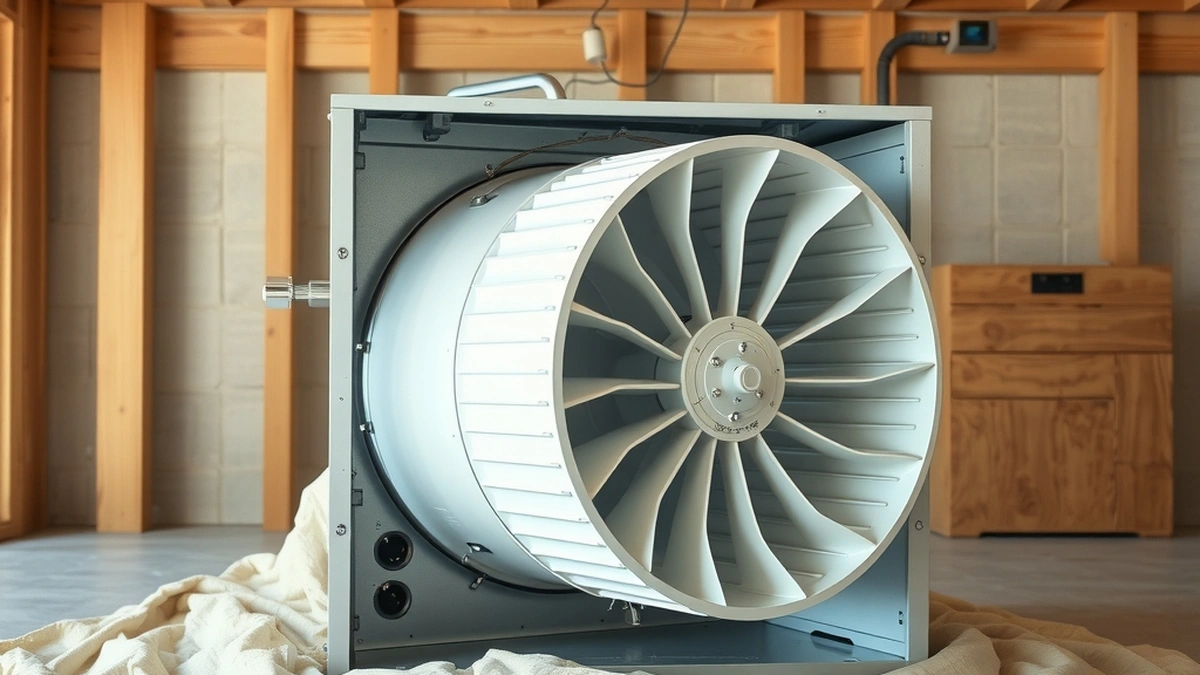
Bearing wear. The shaft runs in sealed bearings that degrade with heat and time. Heat is the accelerant, and heat comes from restricted airflow.
Winding failure. Insulation breaks down under sustained high current and temperature. A motor working against a blocked duct draws more current than its design.
Capacitor failure. The run capacitor, not the motor, is often what fails first. It is a $20 part that costs $150 to $300 to replace because of diagnosis and access.
Module failure. On an ECM motor, the programmable module is a separate electronic component and frequently the first thing to fail.
Only the first two are truly the motor’s own decline. The other two are electronics, and neither is prevented by cleaning — but both are cheaper to fix than a motor.
The five prevention measures
| Measure | Cost | What it protects |
|---|---|---|
| Filter changes | $15 - $40 each | Winding and bearing heat |
| Return grilles clear | $0 | Static pressure |
| Registers left open | $0 | Static pressure |
| Wheel cleaning at tune-up | Included in $100 - $250 | Airflow and balance |
| Static pressure check | Included in tune-up | Duct sizing evidence |
The middle three cost nothing and are the ones most often ignored.
Static pressure, explained simply
Static pressure is the resistance the blower works against, measured in inches of water column. Every furnace has a maximum listed in its installation manual, commonly around 0.5 inches for a residential system, with some allowance for a wet coil and a high-efficiency filter.
At or below that figure, the blower moves its rated airflow. Above it, airflow falls, temperature rise climbs, and the motor runs hotter.
Three things push static pressure up:
- A restrictive filter, especially a high-MERV 1-inch filter in a system designed for a basic one.
- A dirty evaporator coil, which is common and invisible without removing a panel.
- Undersized or crushed ductwork, including flexible duct that has been kinked during a renovation.
A tune-up that includes a static pressure reading tells you which of those you have. A tune-up without one is a cleaning.
The filter trade-off nobody explains
Higher-MERV filters catch more particles and restrict more air. On a system with a 1-inch filter slot, a MERV 13 filter can push static pressure past the blower’s design point.
The practical rule: match the filter to the slot and the system, not to the highest number on the package. A 4-inch media cabinet can carry a higher MERV at the same pressure drop. A 1-inch slot usually cannot.
If you want better filtration, the correct upgrade is a larger filter cabinet, not a thicker filter in the same slot. That is a sheet metal job, and it is cheaper than the motor it protects.
What the tune-up should include
The $100 to $250 annual service is the whole prevention program if it is done properly.
- Filter check and replacement.
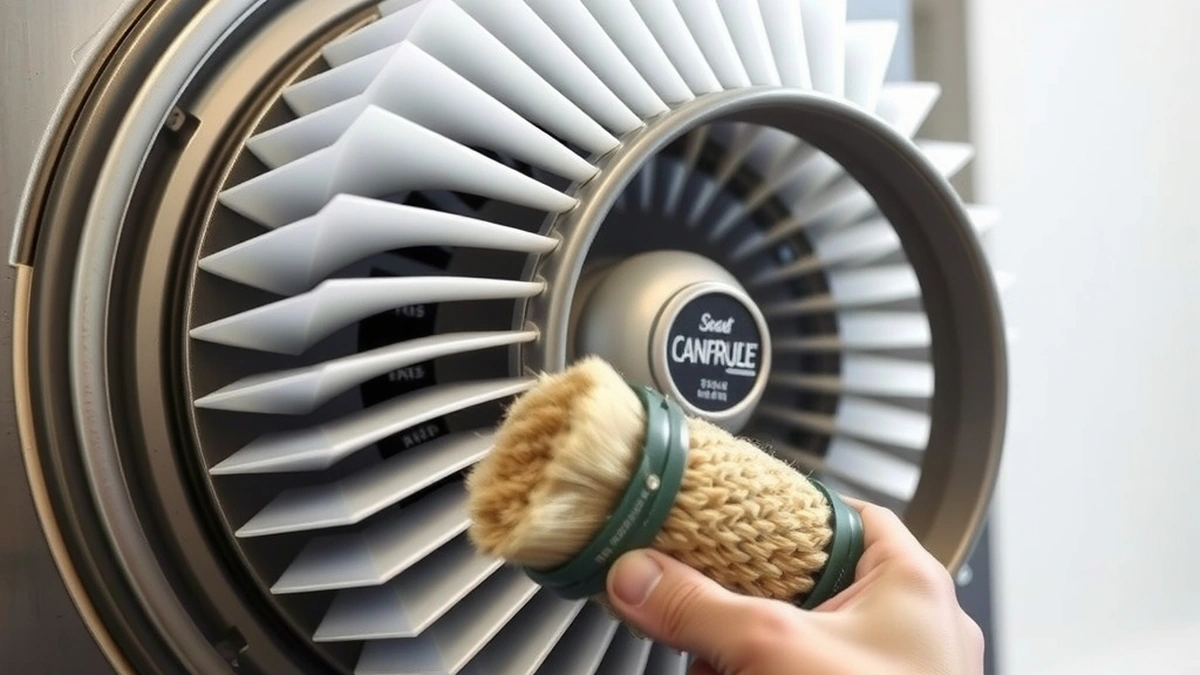
- Blower wheel inspection, and cleaning if matted.
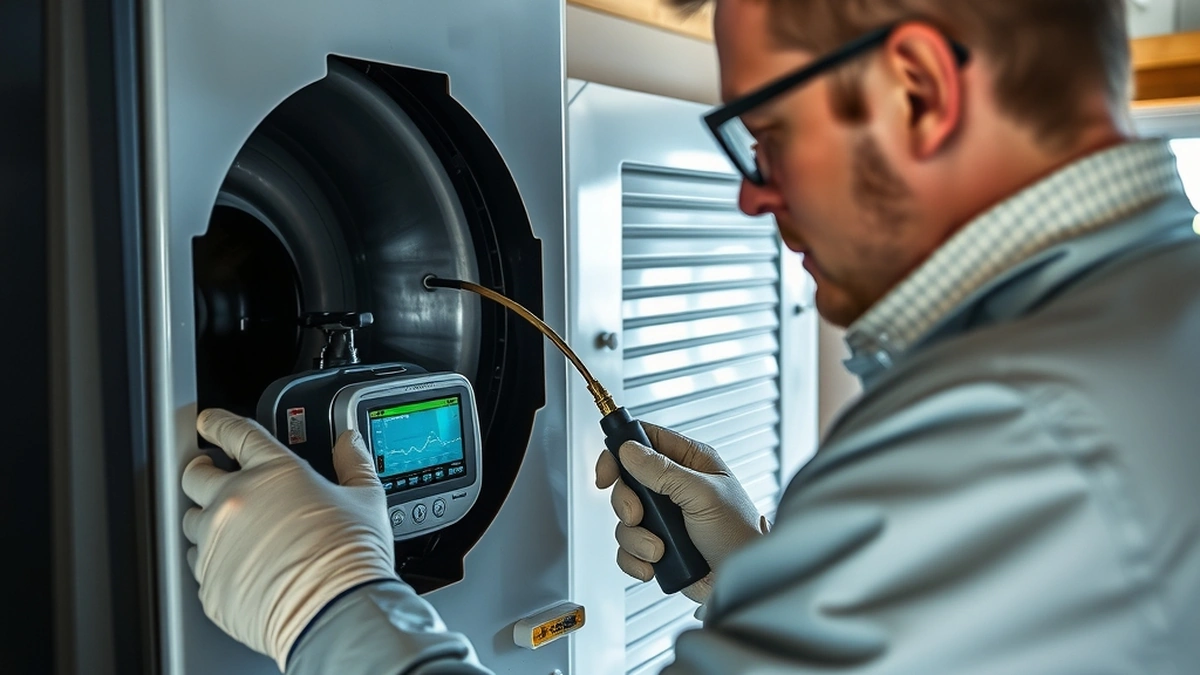
- Static pressure measurement, supply and return.
- Temperature rise measurement, compared to the rating plate.
- Capacitor test, since it is the most common failure.
- Motor amp draw, compared to the nameplate.
Items three to six are the ones that predict failure. Ask for the numbers on the invoice and keep them year to year. A motor drawing above nameplate amps two years running is on its way out, and you would rather know in September than in January.
What prevention cannot fix
Two problems are design faults rather than maintenance faults.
An undersized duct system will keep killing motors no matter how clean the filter is. The fix is duct work at $500 to $2,500 depending on scope, or accepting a shorter motor life.
A furnace installed in a closet without enough return air has the same problem. Adding a return is sheet metal work, and it is usually cheaper than a second motor.
If the previous motor lasted 18 years, the system is fine. If it lasted six, the system is the cause, and replacing the motor without correcting the duct is a repeat purchase.
A prevention routine
- Change the filter on the schedule for its type, and write the date on it.
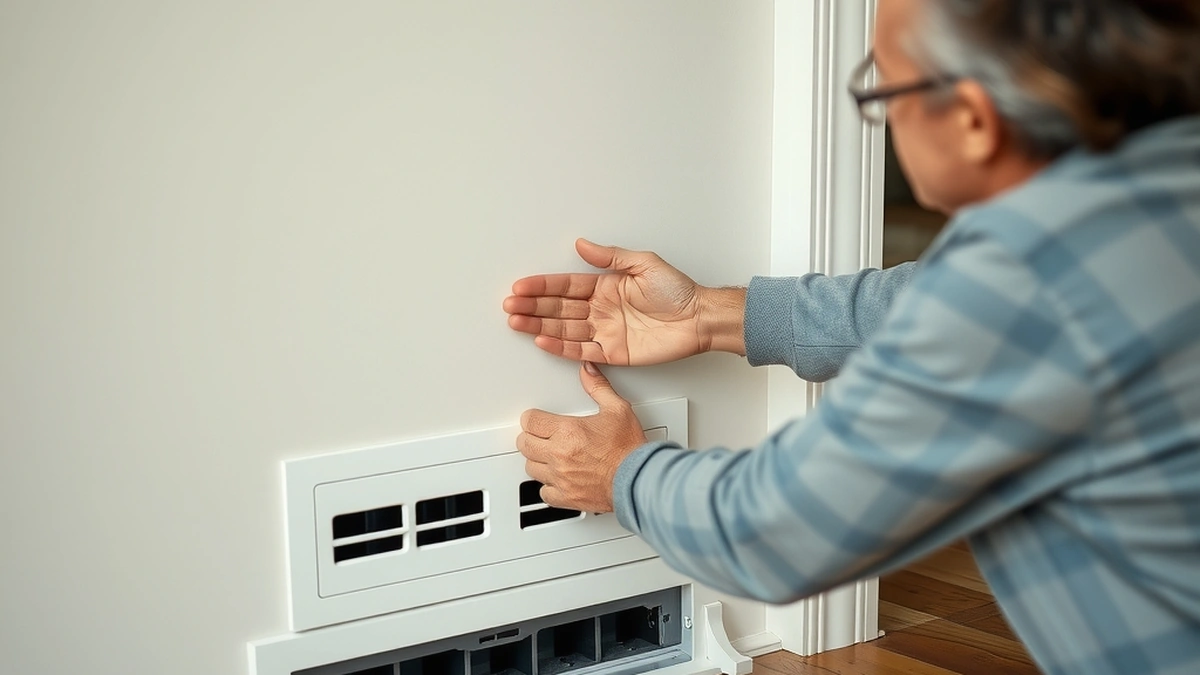
- Keep every return open and close no more than one or two registers.
- Vacuum the return grilles at the start of each heating season.
- Book the tune-up at $100 to $250 before the first cold snap.
- Ask for static pressure, temperature rise and amp draw.
- Clean the wheel every two to three years in a dusty home.
The repair options are in blower motor failure repair, the pricing is in blower motor failure cost, and the symptoms are in blower motor failure warning signs. For the wider service schedule, see furnace repair maintenance.
The short version
A blower motor is a durable part that fails early when it is asked to push air through a restricted system. The filter, the wheel and the duct decide its life more than its own bearings do.
Spend $40 a year on filters and $150 on a tune-up that measures pressure, and the motor has a reasonable chance of reaching the age the manufacturer intended.
Frequently asked questions
How do I make my blower motor last longer?
Keep the filter clean, keep returns open, have the wheel cleaned at an annual tune-up, and ask for a static pressure reading. Airflow restriction is the main cause of early motor failure.
Does a dirty filter really damage the motor?
It makes the motor work against higher pressure and reduces cooling airflow across it. The motor runs hotter and draws more current, which shortens bearing and winding life over years.
How often should the blower wheel be cleaned?
At the annual tune-up, or every two to three years if the home is dusty or has pets. A matted wheel can cut airflow substantially even when the filter is clean.
What is static pressure and why does it matter?
It is the resistance in the duct system, measured in inches of water column. Above the manufacturer's maximum, the blower moves less air and runs hotter, which shortens its life.
Can closing vents shorten motor life?
Yes. Each closed register raises system pressure, and several closed at once can push the blower outside its design range. Keep most registers open.
Is a variable-speed motor more reliable?
Not necessarily more reliable, but it runs at lower speeds more of the time, which is gentler. ECM modules are an added failure point, and they are the part that usually fails first.
Sources
Some links are affiliate links.If you buy through them we may earn a commission at no extra cost to you. We do not accept payment for rankings. Read the full disclosure.