Pilot light out: how to prevent it
Five measures that keep a standing pilot lit through the heating season, from a $100 to $250 tune-up to fixing the downdraft that blows it out.
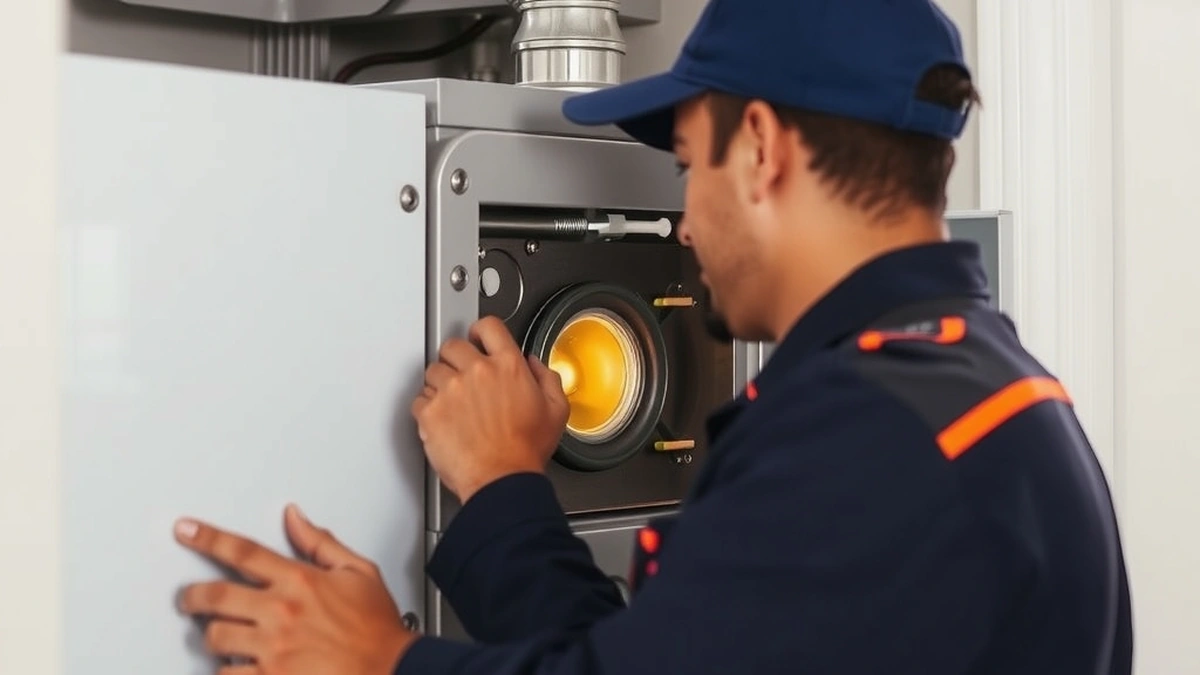
Prevent pilot outages with an annual tune-up at $100 to $250 that cleans the orifice and tests the thermocouple, plus keeping the furnace room ventilated and the flue clear. Most repeat outages are draft problems or a thermocouple near the end of its life.
- Tune-up and safety check
- $100 - $250
- Thermocouple
- $150 - $300
- Flue inspection
- $150 - $400
- Typical repair
- $150 - $600
Some links on this page are affiliate links.If you buy through them we may earn a commission at no extra cost to you. We do not accept payment for rankings. Read the full disclosure.
Pilot outages are prevented with maintenance rather than parts. An annual tune-up at $100 to $250 cleans the orifice, tests the thermocouple output and checks the flue, and it catches most of the causes before they strand you in January. When the pilot does fail, the repair is $150 to $600, and the difference between a predictable cost and an emergency one is usually whether anyone looked at the furnace in September.
What makes a pilot go out
A standing pilot has three requirements: gas, a flame that reaches the thermocouple, and a thermocouple that produces enough voltage to hold the valve open. Any of the three failing shuts the furnace down.
That gives four realistic causes, and they are not equally preventable.
| Cause | Preventable | How |
|---|---|---|
| Dirty orifice | Yes | Annual clean at tune-up |
| Thermocouple wear | Partly | Age-based replacement |
| Draft or flue problem | Yes | Flue inspection and combustion air |
| Gas supply fault | No | Utility or regulator issue |
The first and third are where prevention actually works. The second is a wear item you can replace on schedule. The fourth is outside the homeowner’s control.
The annual tune-up
The $100 to $250 tune-up is the whole prevention program for most homes, and it is worth knowing what should happen during it.
- Clean the pilot orifice and confirm a strong blue flame.
- Test thermocouple output in millivolts.
- Inspect the heat exchanger for cracks.
- Check the flue for blockage, corrosion and correct draft.
- Verify gas pressure at the manifold.
- Test the safety shutoff by extinguishing the pilot and confirming the valve closes.
Items two and four are the ones that prevent outages. Item six is the one that confirms the safety system works at all.
If a tune-up does not include a thermocouple reading and a draft check, it is a cleaning rather than a safety check, and it will not predict a January failure.
Draft, the overlooked cause
A pilot that lights and holds when the burner is off, then goes out the moment the main burner fires, has a draft problem. That pattern is worth recognising because it is not a thermocouple fault and replacing one will not fix it.
The usual reasons:
- A blocked or partly collapsed flue liner.
- A flue with insufficient rise or too many elbows.
- A furnace closet without adequate combustion air.
- A chimney shared with another appliance that is depressurising it.
- A bath fan or kitchen hood pulling air down the flue when it runs.
The fix is inspection and correction at $150 to $400, not a part. And it matters beyond convenience: a flue that does not draw is a carbon monoxide risk.
Combustion air and the sealed closet
Older furnaces were often installed in closets with louvred doors, which supplied combustion air. When those doors are replaced with solid ones, or the closet is insulated and sealed during a renovation, the furnace can be starved of air.
The symptoms are subtle: a pilot that is hard to keep lit, a flame that lifts or yellows when the door is closed, and occasional outages in cold weather when the furnace runs longest.
The correction is ventilation, not repair. A qualified technician can confirm the requirement from the installation manual and specify the louvre area or a combustion air duct.
What you can do yourself
Three tasks, all free or nearly so:
Keep the area clear. Do not store boxes, paint or petrol products against the furnace. Clearance requirements are in the manual and on the label.
Do not block the louvres. If the closet has louvred doors, keep them unobstructed.
Watch the flame colour. A healthy standing pilot is blue with a small yellow tip. A lazy yellow flame means the orifice needs cleaning or the air mixture is wrong.
Anything involving the gas valve, the burner or the flue is a technician’s job. The line is not about competence; it is about leak testing and liability.
The economics of prevention
- Tune-up at $150 a year.
- Thermocouple replacement on a 12-year cycle at $280.
- Flue inspection every few years at $150 to $400.
Against that:
- An emergency pilot repair in January at $280 plus a $200 to $500 call-out is $480 to $780.
- A no-heat event in freezing weather can also mean a frozen pipe, which is a much larger bill.
The tune-up pays for itself the first time it avoids one after-hours call. That is the entire arithmetic, and it does not require any assumption about efficiency savings.
The repair options are in pilot light out repair, and the pricing is in pilot light out cost.
A prevention checklist
- Book the tune-up in early autumn, before the first cold snap fills the schedule.
- Ask for the thermocouple millivolt reading and write it down.
- Ask for a draft test and whether the flue passed.
- Keep the furnace closet clear and the louvres open.
- Watch the pilot flame colour once a month during heating season.
- Replace the thermocouple on age, not only on failure.
The signs that a pilot is about to fail are in pilot light out warning signs. If the unit has electronic ignition rather than a standing pilot, the tune-up still applies but the fault path is different, and no heat prevention is the closer guide.
One habit worth adding: note the pilot flame in the same week each autumn, before the heating season starts. A flame that was blue last October and is yellow this October has changed while the furnace was idle, which usually means a dirty orifice or a spider web in the pilot tube. Catching that in September costs a tune-up; catching it in a January cold snap costs an emergency call.
Frequently asked questions
How can I stop my pilot light going out?
Book an annual tune-up at $100 to $250 that cleans the pilot orifice and tests the thermocouple output, keep the furnace room ventilated, and have the flue checked if the pilot dies while the burner runs.
Does a dirty pilot orifice cause outages?
Yes. A partly blocked orifice produces a weak, yellow flame that does not properly heat the thermocouple, so the valve closes. Cleaning it restores a strong blue flame.
Why does my pilot go out when the furnace starts?
That is a draft problem. The flue is not drawing correctly, and the pressure change when the main burner lights blows the pilot out. It needs a flue and combustion-air inspection, not a new thermocouple.
How often should a thermocouple be replaced?
Every ten to fifteen years as a precaution, or when a millivolt test shows it is below the valve's threshold. It is a consumable, so replacement on age is reasonable even before failure.
Can a cold furnace room put the pilot out?
Not directly, but a room starved of combustion air can. Sealed furnace closets and added insulation reduce air supply, and that produces downdraft and pilot outages.
Should I leave the pilot on all summer?
Many standing-pilot furnaces are designed that way. Turning it off saves a small amount of gas, but it also lets the thermocouple cool and can make relighting harder in autumn. Follow the manufacturer's instructions.
Sources
Some links are affiliate links.If you buy through them we may earn a commission at no extra cost to you. We do not accept payment for rankings. Read the full disclosure.