Pilot light out: warning signs
The six signs a standing pilot is about to fail, how to read flame colour, and which symptoms mean shut the furnace off and call today.
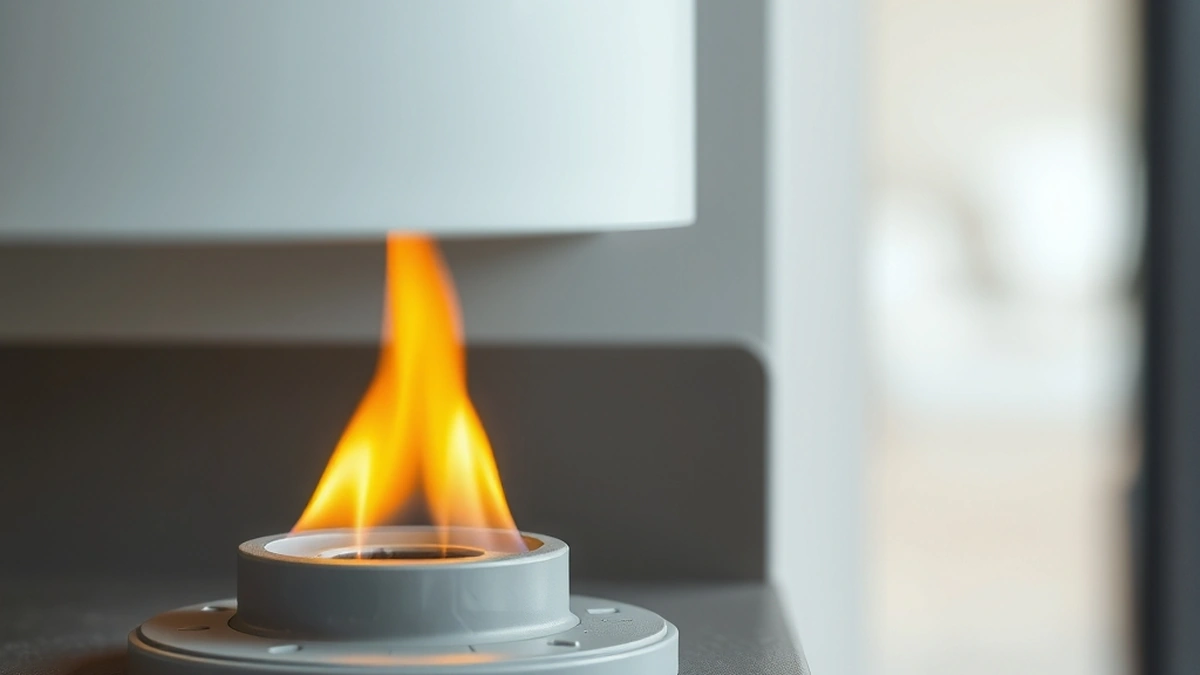
Pilot warning signs include a yellow or lazy flame instead of blue, a pilot that needs relighting every few weeks, a flame that lifts or flickers when the burner starts, and a smell of exhaust. The first two mean book a tune-up at $100 to $250.
- Tune-up
- $100 - $250
- Thermocouple
- $150 - $300
- Typical repair
- $150 - $600
- Emergency call
- $200 - $500
Some links on this page are affiliate links.If you buy through them we may earn a commission at no extra cost to you. We do not accept payment for rankings. Read the full disclosure.
A pilot light rarely fails without warning. The flame changes colour, the pilot needs relighting more often, or the flame lifts when the main burner starts — each is a signal that the thermocouple, the orifice or the draft is deteriorating. A tune-up at $100 to $250 catches all three; waiting until it fails in January turns a scheduled visit into a $200 to $500 emergency call-out.
Reading the flame
The flame is the most informative thing on a standing-pilot furnace, and reading it costs nothing.
| Flame appearance | Meaning | Action |
|---|---|---|
| Steady blue with a small yellow tip | Normal | None |
| Mostly yellow or orange | Poor air mixture or dirty orifice | Book a tune-up |
| Weak, small, barely reaching the thermocouple | Low gas pressure or blocked orifice | Book a service call |
| Lifting off the burner | Excess pressure or draft | Book a service call |
| Flickering or floating | Downdraft | Check the flue |
| Green tip | Presence of certain contaminants | Service call |
A blue flame with a yellow tip is what a healthy pilot looks like. Anything else is a reason to look closer, and a mostly yellow flame with soot is a reason to stop using the furnace.
The six warning signs
1. The pilot needs relighting more than once a season. A healthy pilot stays lit. Repeated relights mean the thermocouple is marginal or the flame is not reaching it.
2. The flame has turned yellow. Incomplete combustion or a dirty orifice. If there is soot, stop using the unit.
3. The pilot goes out when the main burner lights. This is a draft problem, and it is the one sign that points to the flue rather than the pilot.
4. The flame is weak or small. Low gas pressure or a partly blocked orifice. The flame may not be enveloping the thermocouple tip.
5. A smell of exhaust in the furnace room. Not normal, and potentially serious. Shut the unit off, ventilate, and call.
6. Clicking at the gas valve. The valve is struggling to hold open, which often precedes a thermocouple or valve failure.
Which signs mean stop
Three of those are a shutdown, not a booking.
- Soot or scorching around the pilot or burner.
- A smell of exhaust or gas anywhere in the house.
- A flame that is persistently yellow with a visible haze.
Those point to combustion problems rather than a worn part. Carbon monoxide is colourless and odourless, so a yellow flame plus soot is the visible warning that a CO alarm may not give until levels are higher.
Shut the furnace off at the service switch, open windows, leave the house if there is a strong smell, and call for service. Do not relight it to “see if it holds.”
What the technician will test
A diagnostic visit at $100 to $250 should produce measurements, not opinions:
- Thermocouple output in millivolts, compared to the valve’s requirement.
- Manifold gas pressure, compared to the rating plate.
- Draft at the flue, with the burner running.
- Flame appearance after cleaning.
- Heat exchanger condition, by visual inspection.
Ask for the millivolt reading. A thermocouple producing 12 millivolts on a valve that needs 20 is a failing part, and that number is the difference between a diagnosis and a guess.
The cost of the two paths
Booked early:
- Tune-up at $150
- Orifice clean included
- Thermocouple replaced if marginal at $280
- Total: $430 at most, on a weekday, at a scheduled time
Wait for failure:
- Emergency call-out in January at $350
- Repair at $280
- Total: $630, on the coldest night of the year, with the house cooling
The gap is about $200, and it does not count the cost of a frozen pipe if the failure happens during a cold snap and the house is unattended.
What to check yourself
Four things, no tools required:
Look at the flame through the sight glass or the open access panel. Blue is good; yellow is a booking.
Note the relight frequency. If you have relit it twice this season, it is due for service.
Sniff near the furnace when it starts. Any exhaust smell is a call, not a wait.
Check the CO alarm is working and within its service life. Most have a five- to seven-year replacement interval printed on the back.
Everything else — the valve, the orifice, the flue — belongs to a technician with a manometer and a combustion analyser.
What to do with the signs
- Write down the flame colour and the relight frequency.
- Book a tune-up at $100 to $250 if either has changed.
- Shut the furnace off if there is soot, exhaust smell or a persistent yellow flame.
- Ask for the millivolt and draft readings at the visit.
- Replace the thermocouple on age if it tests marginal.
- Re-check the flame a month after service.
The repair options are in pilot light out repair, the pricing is in pilot light out cost, and the maintenance routine is in pilot light out prevention. For a furnace with electronic ignition, the equivalent symptoms and faults are covered in no heat warning signs.
The short version
A healthy pilot is blue, steady and stays lit. The moment it stops being any of those, the furnace is telling you something that a $150 tune-up can address and a January emergency cannot do as cheaply.
One outage after a storm is weather. Two outages in a season is a part on its way out.
Worth adding to the list: an outage that coincides with a bath fan, a dryer or a kitchen hood running points at depressurisation rather than the pilot itself. If the flame dies when the extractor fan starts, the fix is combustion air or a flue correction, and no thermocouple will solve it. Note the pattern in the days before you call, because the sequence is often the most useful diagnostic the technician will get all visit.
Frequently asked questions
What colour should a pilot flame be?
Blue, usually with a small yellow tip. A mostly yellow or orange flame means the gas-air mixture is wrong, the orifice is dirty, or the burner is not getting enough air.
How often is too often to relight a pilot?
More than once or twice a season is a warning. A healthy standing pilot should stay lit for the whole heating season without attention, so repeated relights point to a failing thermocouple or a draft problem.
Why does my pilot flame lift off the burner?
A lifting flame usually means too much gas pressure or too much primary air. It can also be a draft pulling the flame away. Both need a technician, because both affect combustion safety.
Is a yellow pilot flame dangerous?
Not automatically, but it is a warning. A yellow flame can indicate incomplete combustion, which produces carbon monoxide. If it is combined with soot or a smell of exhaust, shut the furnace off and call.
What does a clicking sound near the pilot mean?
On a standing pilot, clicking usually comes from the gas valve or a nearby relay rather than the pilot itself. On an electronic ignition furnace, clicking is the spark igniter and is normal during start-up.
Should I worry if the pilot goes out once?
One outage after a windy night or a pressure drop is not alarming. Relight it and watch. Two or more outages in a season, or any outage with a gas smell, warrants a service call.
Sources
Some links are affiliate links.If you buy through them we may earn a commission at no extra cost to you. We do not accept payment for rankings. Read the full disclosure.