Pilot light out: repair options
Why a pilot goes out, the four repairs that fix it, and when the right answer is a $3,000 to $8,000 replacement rather than a $150 to $600 repair.
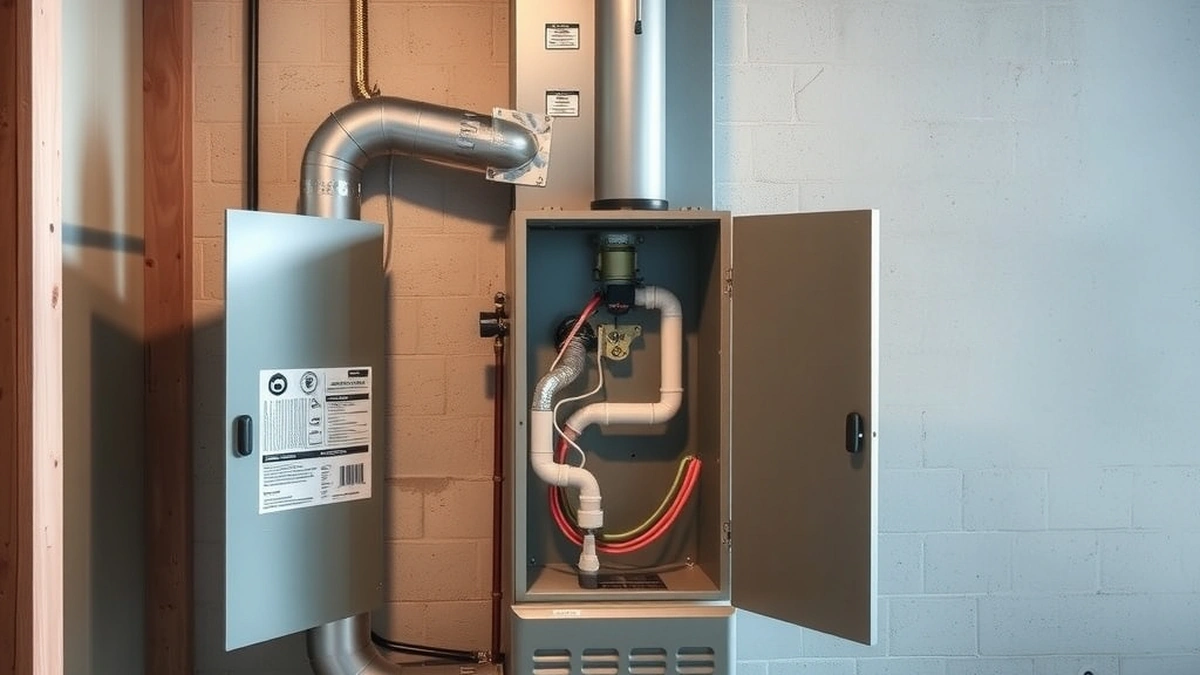
A pilot light that will not stay lit is usually a failed thermocouple at $150 to $300, a dirty pilot orifice at $120 to $250, a draft or flue problem, or a gas supply fault. Repair runs $150 to $600, and replacement at $3,000 to $8,000 is the answer on a very old unit.
- Thermocouple
- $150 - $300
- Pilot assembly
- $200 - $400
- Typical repair
- $150 - $600
- Replacement
- $3,000 - $8,000
Some links on this page are affiliate links.If you buy through them we may earn a commission at no extra cost to you. We do not accept payment for rankings. Read the full disclosure.
A pilot light that will not stay lit is usually a thermocouple, and that repair runs $150 to $300. A dirty pilot orifice, a blocked flue or a gas supply fault produce the same symptom at $120 to $400. The full repair band is $150 to $600, and the only case where replacement at $3,000 to $8,000 is the better answer is an old standing-pilot furnace with a cracked heat exchanger or repeated failures.
What a pilot light is
A pilot light is a small, continuously burning flame that ignites the main burner in a standing-pilot gas furnace or water heater.
It serves two purposes: it is the ignition source, and it is the safety signal. A thermocouple or thermopile sits in the flame and generates a small voltage. If the flame goes out, the voltage drops, and the gas valve closes. That is why a failed thermocouple shuts the furnace down rather than letting gas escape.
Modern furnaces use electronic ignition instead — a hot-surface igniter or a spark — and have no standing pilot at all. If your furnace has a pilot, it is probably 20 years old or more, which matters for the repair-or-replace decision later.
The four repairs
| Cause | Symptom | Repair | Cost |
|---|---|---|---|
| Failed thermocouple | Pilot lights but will not hold when released | Replace thermocouple | $150 - $300 |
| Dirty pilot orifice | Weak, yellow pilot flame | Clean or replace orifice | $120 - $250 |
| Blocked or drafting flue | Pilot goes out when the burner runs | Inspect flue, correct draft | $200 - $600 |
| Gas valve or supply fault | No gas at the pilot | Diagnose supply, replace valve | $300 - $600 |
The order matters. A technician should test the thermocouple output before replacing it, and check gas pressure before condemning a valve. Both are measurements, not guesses.
How to relight it safely
The instructions are on a label inside the furnace door, and they vary by model. The general sequence:
- Set the thermostat to off and wait five minutes.
- Turn the gas valve to “pilot” and hold the button or knob down.
- Light the pilot with the igniter button or a long lighter.
- Hold for 30 to 60 seconds after the flame lights.
- Release and confirm the flame stays lit.
- Turn the valve to “on” and restore the thermostat.
If the flame goes out when you release the button, the thermocouple is not generating enough voltage, or the pilot flame is not reaching it. That is the point to stop and call.
If you smell gas at any stage, leave the house and call the gas utility from outside. Do not use a phone or a switch inside the building.
Why the thermocouple fails
A thermocouple is a pair of dissimilar metal wires joined at a tip that sits in the flame. The heat generates a small voltage — typically 20 to 30 millivolts — which holds the gas valve open.
Over years, the tip oxidises and the voltage falls. Eventually it drops below the threshold the valve needs, and the valve closes even though the flame is burning. The symptom is exactly what homeowners describe: the pilot lights, and then dies the moment the button is released.
Replacement is straightforward: the assembly is a few dollars in parts and the job is mostly access and testing. $150 to $300 is a fair price. A quote above $400 for a thermocouple alone is worth questioning.
What else it could be
A thermocouple is the most common cause, not the only one.
A dirty orifice produces a small, lazy, yellow flame that does not envelop the thermocouple tip. Cleaning at $120 to $250 restores it.
A blocked flue or a downdraft can blow the pilot out when the main burner lights. That is a draft problem, not a pilot problem, and it needs the flue inspected. This one matters for safety, because a blocked flue is a carbon monoxide risk.
A gas supply fault — low pressure, a partly closed valve, or a regulator issue — produces a weak flame or no flame. The utility handles supply-side problems at no charge; the contractor handles the appliance side.
A failing gas valve is the expensive end at $300 to $600, and it should only be diagnosed after pressure testing.
Repair or replace
The repair-or-replace decision on a standing-pilot furnace is unusually clear, because the equipment is old by definition.
| Situation | Recommendation | Cost |
|---|---|---|
| Thermocouple only, unit under 20 years | Repair | $150 - $300 |
| Second failure in two seasons | Price replacement | $3,000 - $8,000 |
| Cracked heat exchanger | Replace, do not repair | $3,000 - $8,000 |
| Repairs past a third of replacement | Replace | $3,000 - $8,000 |
A cracked heat exchanger is the end of the conversation, because it is a combustion safety failure and cannot be economically repaired.
The cost detail is in pilot light out cost, and the replacement pricing is in furnace repair cost.
What to do next
- Check the label inside the door and try one careful relight.
- If it will not hold, stop and book a service call at $100 to $250 diagnostic.
- Ask the technician to test thermocouple output before replacing anything.
- Ask for a combustion or draft check if the pilot goes out while the burner runs.
- Get the repair quoted against replacement if the unit is over 20 years old.
- Never ignore a gas smell — leave and call the utility.
For prevention between failures, see pilot light out prevention. The warning signs that precede a failure are in pilot light out warning signs, and the wider service schedule is in gas furnace maintenance.
Frequently asked questions
Why does my pilot light keep going out?
Most often a failing thermocouple, which stops signalling that the flame is lit, so the gas valve closes. A dirty orifice, a downdraft, or a gas pressure fault can produce the same result.
Can I relight the pilot myself?
Yes, if the instructions are on the furnace door and you can follow them safely. Turn the gas valve to pilot, hold the button, light it, and hold for 30 to 60 seconds. If it will not stay lit, stop and call a technician.
How much does a thermocouple replacement cost?
Typically $150 to $300 including the part and the visit. The part itself is inexpensive; most of the cost is diagnosis and access to the assembly.
Should I replace a furnace with a standing pilot?
Consider it if the unit is over 20 years old, if repairs pass a third of replacement cost, or if the heat exchanger shows cracks. A standing pilot wastes gas continuously, so efficiency is also lower.
Is it dangerous if the pilot goes out?
A correctly working valve closes when the pilot is out, so no gas should escape. If you smell gas, leave the house and call the utility — do not attempt to relight anything.
How long should a thermocouple last?
Ten to fifteen years is typical. It is a consumable that sits in the flame, so it degrades with every heating season and is the first thing to test on a pilot that will not hold.
Sources
Some links are affiliate links.If you buy through them we may earn a commission at no extra cost to you. We do not accept payment for rankings. Read the full disclosure.