Gas furnace maintenance: what a tune-up includes
A gas furnace tune-up costs $100 to $250 and covers combustion analysis, flame sensor cleaning, blower inspection, and a safety check. Here is the checklist.
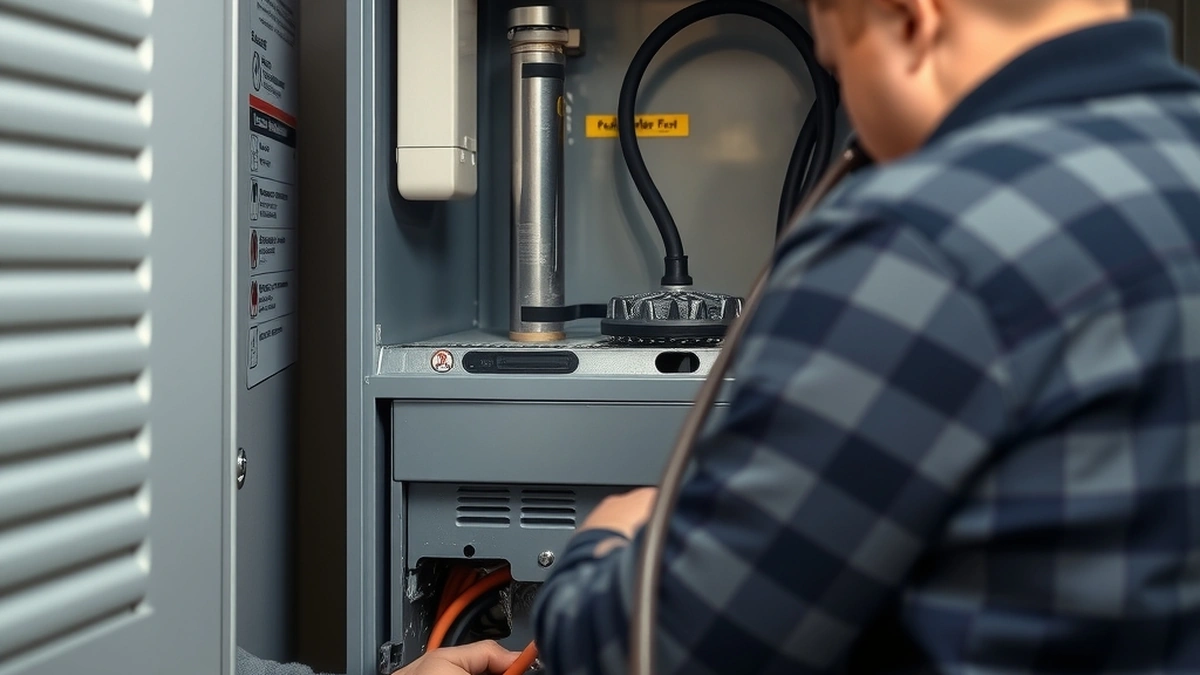
A gas furnace tune-up costs $100 to $250 and takes about an hour. It covers burners, the flame sensor, heat exchanger inspection, blower, filter, venting, and a combustion test. Once a year, before the first cold snap, is the right interval.
- Tune-up and safety check
- $100 - $250
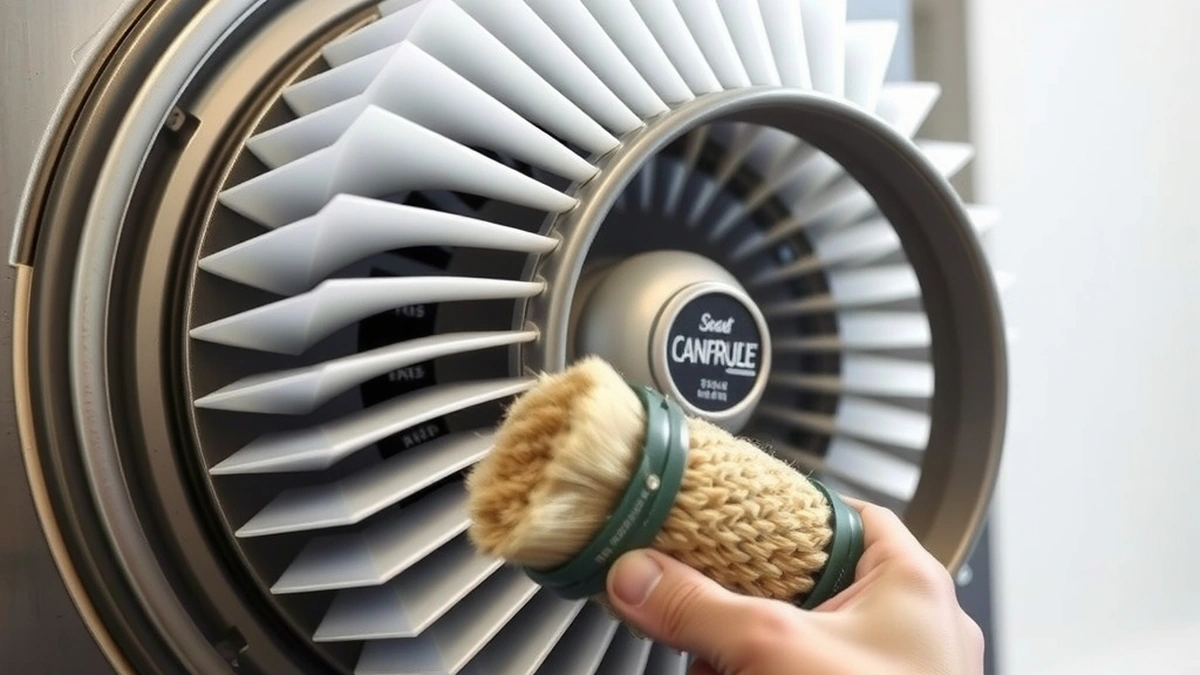
- Duration
- 45 - 90 minutes
- Interval
- Once a year
- Filter change
- Every 1 - 3 months
Some links on this page are affiliate links.If you buy through them we may earn a commission at no extra cost to you. We do not accept payment for rankings. Read the full disclosure.
A gas furnace tune-up costs $100 to $250 and takes 45 to 90 minutes. It is a safety inspection with a cleaning attached, not an oil change for a machine that mostly looks after itself. The visit is also the maintenance record that keeps a parts warranty alive.
Gas furnace maintenance is the annual service visit that inspects combustion, airflow, venting, and the electrical controls, then measures the result with instruments. Anything a technician cannot measure is an opinion; the combustion analyzer and the manometer are what turn the visit into evidence.
What the visit actually covers
The furnace is a chain: gas valve, burners, heat exchanger, blower, flue. Maintenance walks the chain in order and tests each link.
| Task | Why it matters |
|---|---|
| Replace or inspect the filter | Airflow is the most common cause of limit trips |
| Inspect and clean burners | Dirty burners cause delayed ignition and soot |
| Clean the flame sensor | Oxide coating causes false no-flame lockouts |
| Inspect the heat exchanger | Cracks allow flue gas into room air |
| Check the inducer and pressure switch | Proves the flue is drawing before ignition |
| Measure gas manifold pressure | Confirms rated input, not a guess |
| Check blower wheel, capacitor, and amp draw | A failing capacitor overheats the motor |
| Inspect the flue and terminations | Blockage or corrosion is a carbon monoxide risk |
| Run a combustion analysis | Measures oxygen, carbon monoxide, and flue temperature |
| Test the safety switches | Limits, rollout, and door switch |
A good report includes the combustion numbers and the temperature rise. If the company hands over a checklist with ticks and no readings, you paid for a look, not a test.
Five tasks you can do yourself
- Change the filter on schedule. Every one to three months for a one-inch filter. Write the date on the frame so the next change is not a guess.
- Keep the return and supply registers clear. A rug over a return or a sofa against a supply changes the pressure the blower sees.
- Vacuum the burner compartment cover and the base. Dust around the unit gets pulled into the burners.
- Check the outside vent termination after storms for snow, leaves, or nests.
- Listen once a month. A new rumble, a whistle, or a click pattern is cheaper to investigate early.
Everything past that — opening the burner compartment, cleaning the exchanger, adjusting gas pressure — belongs to a technician with a combustion analyzer.
What skipping it costs
The arithmetic is not close. A tune-up is $100 to $250. A common repair is $150 to $600, and an emergency call-out adds $200 to $500 on top. One missed flame sensor at 11 pm in January costs more than two years of maintenance.
Then there is the larger number. A replacement is $3,000 to $8,000. The faults that shorten a furnace’s life — restricted airflow, a sooting burner, a failing inducer — are exactly the ones an annual visit finds early. Maintenance does not prevent every failure, but it moves the expensive ones earlier, when they are cheap.
Maintenance against repair
| Maintenance visit | Repair visit | |
|---|---|---|
| Trigger | Calendar | A symptom |
| Cost | $100–$250 | $150–$600 |
| Scope | Inspect, clean, measure, test | Diagnose and replace a failed part |
| Output | Combustion report and record | Working furnace and a parts invoice |
| Prevents | Some faults, and warranty disputes | Nothing; it restores function |
The two are not substitutes. A repair visit fixes what broke; a maintenance visit is how you find out what is about to break. A furnace that has had three repair visits in two seasons is telling you the maintenance schedule was skipped.
What a tune-up does not include
A standard visit does not clean the duct system, and it should not be sold as if it does. Duct cleaning is a separate job at $300 to $800, and it is worth doing when there is visible debris, a renovation history, or a pest problem, not as an annual habit.
It also does not include refrigerant work on the cooling coil, a new thermostat, or repairs. Those are quoted separately once the technician finds a fault. A company that bundles a repair into the maintenance price is not necessarily cheaper; it has moved the number, not removed it.
Finally, a tune-up cannot certify a heat exchanger that was not opened for inspection. Ask whether the technician removed the blower or used a camera. A visual glance through the burner slots is a limited check, and the invoice should say which one you received.
When in the year to book
Book in early autumn, before the first cold snap fills the schedule. Late September and early October are the shoulder: technicians are available, and a fault found then can be fixed without an emergency premium. Spring is the second-best window if autumn is booked out.
If the house has central air on the same blower, a single spring visit can cover the cooling coil and the furnace blower, and an autumn visit covers combustion. Two visits a year is reasonable for a combined system; one is the minimum for heat only.
What to ask when you book
Ask whether the price includes a combustion analysis, whether the company pulls a permit where one is required for gas work, and whether the invoice records the readings. Ask for the temperature rise and the manifold pressure in writing. Those two numbers are the difference between a service and a sales visit.
For what the repairs in that report cost, see the gas furnace problems guide. For the replacement decision when the report turns bad, the cost guide has the line-by-line arithmetic, and the installation guide covers what a new unit should include at commissioning.
Frequently asked questions
How often does a gas furnace need maintenance?
Once a year, ideally in early autumn before the heating season starts. Manufacturers usually require documented annual service to keep the parts warranty valid, so keep the invoice.
What does a furnace tune-up include?
Burner inspection and cleaning, flame sensor check, heat exchanger inspection, blower and capacitor check, filter replacement, venting inspection, gas pressure check, and a combustion analysis with a printed report.
Can I skip a year of furnace maintenance?
You can, but the risk is a warranty dispute and a missed safety fault. A cracked heat exchanger or a blocked flue is not something a thermostat will warn you about before the season starts.
How often should I change the furnace filter?
Every one to three months for a standard one-inch filter, and every six to twelve months for a four-inch media filter. Pets, renovations, and a running fan shorten those intervals.
Is a furnace tune-up worth the money?
At one hundred to two hundred and fifty dollars against a repair bill of one hundred and fifty to six hundred, it pays for itself when it catches one fault. Its larger value is the safety inspection and the warranty record.
Do I need maintenance if the furnace is new?
Yes, and read the warranty terms first. Most manufacturers require annual professional service and registration within a set window, and a missing record is a common reason a parts claim is refused.
Sources
Some links are affiliate links.If you buy through them we may earn a commission at no extra cost to you. We do not accept payment for rankings. Read the full disclosure.