Short cycling: how to prevent it
Six causes of furnace short cycling and the fix for each, from a $25 filter to duct work, plus the service schedule that stops it recurring.
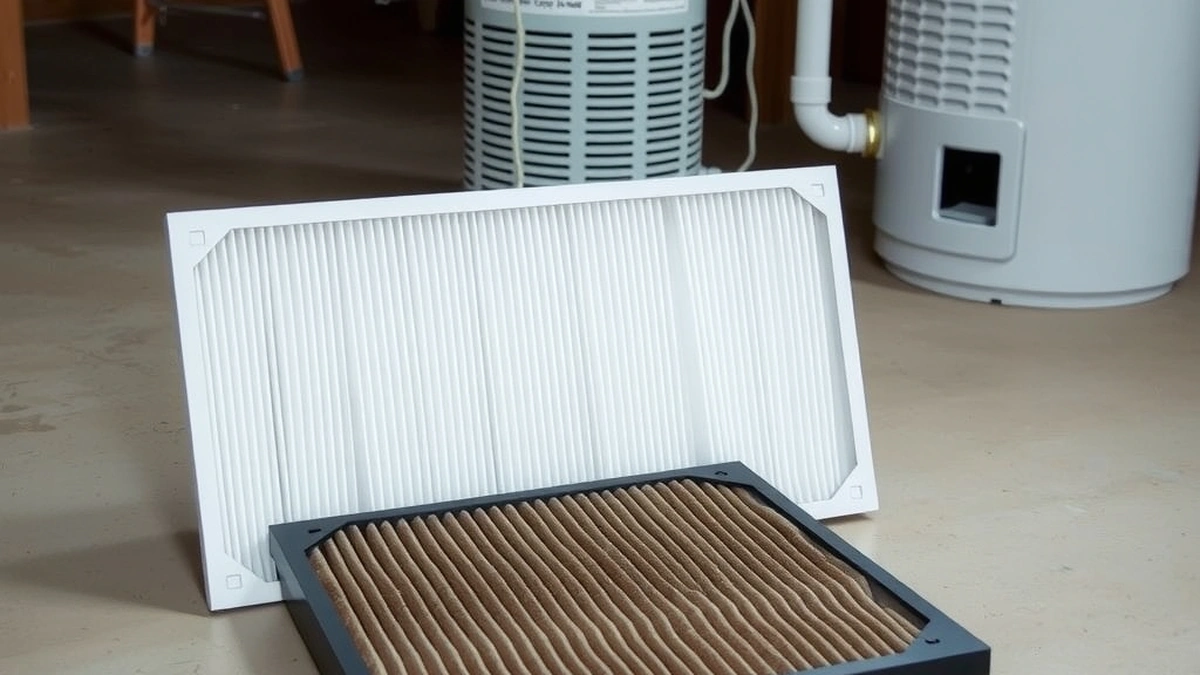
Prevent short cycling by changing the filter every one to three months, keeping returns and registers open, and having static pressure and temperature rise measured at a $100 to $250 tune-up. Short cycling is usually airflow, not a failing part.
- Filter
- $15 - $40
- Tune-up and safety check
- $100 - $250
- Typical repair
- $150 - $600
- Replacement
- $3,000 - $8,000
Some links on this page are affiliate links.If you buy through them we may earn a commission at no extra cost to you. We do not accept payment for rankings. Read the full disclosure.
Short cycling is prevented mostly by protecting airflow, not by replacing parts. A clogged filter at $15 to $40, a closed register, or a blocked return will overheat the furnace and trip the high-limit switch long before any component fails. A $100 to $250 tune-up that measures temperature rise and static pressure catches the rest, and the average repair when something does fail runs $150 to $600.
What short cycling is
Short cycling is a furnace or heat pump starting and stopping more often than the thermostat is calling for, so the equipment never completes a full heating cycle.
There is no universal threshold, but a working rule is that a furnace running for less than about ten minutes and then shutting off, repeatedly, while the house is still below setpoint, is short cycling. A unit that runs fifteen minutes and then rests is doing its job.
The distinction matters because a furnace that satisfies the thermostat and stops is not short cycling — it is sized correctly for a mild day. The fault is the pattern, not a single stop.
The six causes, and what prevents each
| Cause | What happens | Prevention | Cost to fix |
|---|---|---|---|
| Clogged filter | Airflow drops, limit trips | Change filter on schedule | $15 - $40 |
| Closed registers or blocked return | Static pressure rises | Keep returns open | $0 |
| Dirty blower wheel | Air volume falls | Clean at tune-up | $100 - $250 |
| High-limit switch failing | Trips early | Replace and verify rise | $150 - $300 |
| Oversized furnace | Heats too fast | Correct sizing at replacement | $3,000 - $8,000 |
| Thermostat fault | Short calls | Replace or recalibrate | $150 - $300 |
Five of the six are airflow. That is the single most useful fact about short cycling: it is usually a delivery problem, not a combustion problem.
Why airflow is the usual culprit
A gas furnace has a heat exchanger with a designed temperature rise, typically printed on the rating plate. The blower must move enough air to carry that heat away.
When airflow drops, the heat exchanger gets hotter than design, the high-limit switch opens, the burner shuts off, the blower keeps running to cool the metal, and then the burner relights. That cycle repeats until the house is warm or the limit fails.
The sequence explains the symptoms homeowners report: warm air at the register for a few minutes, then cool air, then warm again. It is not a failing furnace. It is a furnace protecting itself from a blocked airway.
The filter schedule that actually works
| Filter type | Change interval | Notes |
|---|---|---|
| 1-inch fibreglass | 30 days | Cheapest, least filtering |
| 1-inch pleated | 1 - 3 months | Most common residential |
| 4-inch media | 6 - 12 months | Lower pressure drop |
| Electronic | Clean monthly | Check manufacturer instructions |
The interval depends on the house, not just the filter. A home with two pets and a 1-inch pleated filter may need a change every four weeks. A home with no pets and a 4-inch media cabinet may go a year.
Write the change date on the filter edge with a marker. It sounds trivial, and it is the single most effective prevention measure in this article.
What the tune-up measures
The $100 to $250 tune-up and safety check is worth booking once a year, and the value is in two numbers:
- Temperature rise — the difference between return-air temperature and supply-air temperature, measured at the furnace. It should match the rating plate range.
- Static pressure — the resistance in the duct system, measured before and after the blower.
A furnace with a 30°F rise over its rated range and 0.9 inches of static pressure is short cycling for a reason that no part replacement will fix. A furnace within range is not.
Ask for both numbers on the invoice. Without them, a tune-up is an oil change without checking the oil.
When prevention is not enough
Some short cycling cannot be prevented, only corrected.
An oversized furnace will short cycle on every mild day for its entire life. No filter, duct or part fixes it. The correct fix is a properly sized unit at replacement, at $3,000 to $8,000.
Undersized ducts are a design fault. Adding a return or enlarging a trunk is sheet metal work, and it is priced as such.
A failing high-limit switch trips below its rated temperature. Replacing it at $150 to $300 restores normal operation, but the underlying airflow should still be checked, because the switch may have been cycling for months before it failed.
The repair options and their prices are set out in short cycling repair, and the fault-by-fault arithmetic is in short cycling cost.
A prevention routine
- Write the date on a new filter and change it at the interval for your filter type.
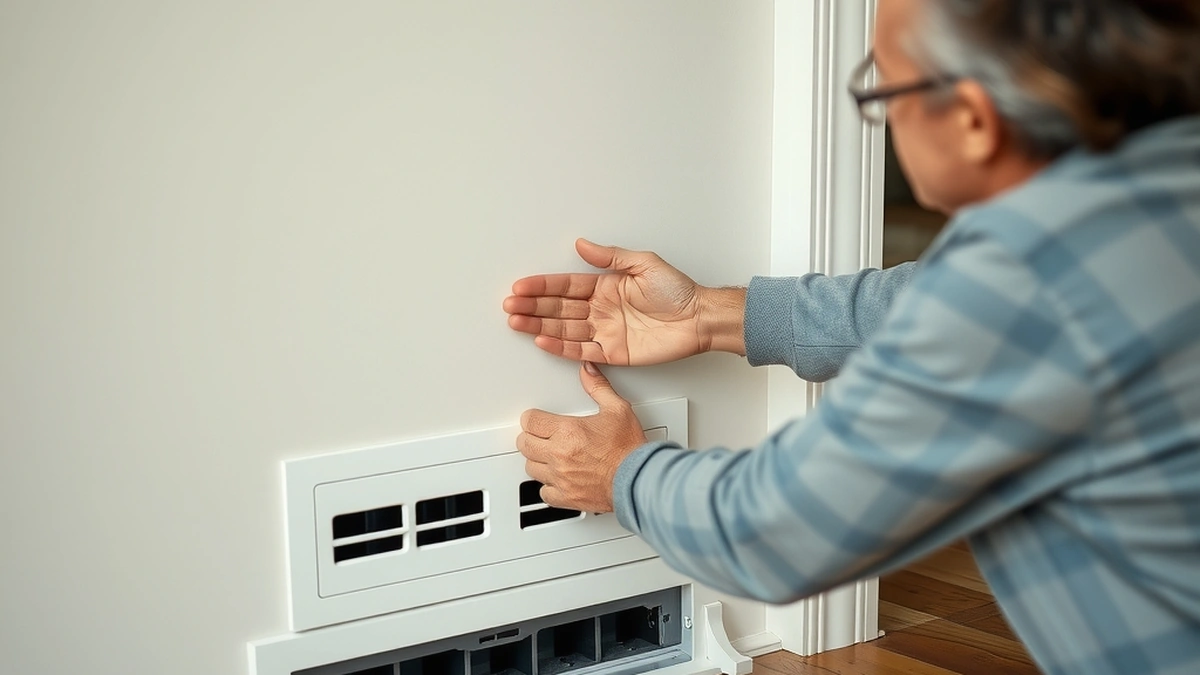
- Keep every return open and close no more than one or two registers.
- Vacuum the return grilles at the start of heating season.
- Book a tune-up at $100 to $250 before the first cold snap.
- Ask for temperature rise and static pressure on the invoice.
- Note the cycle pattern in January and compare it to the previous year.
If the furnace is cycling every few minutes despite all of that, the next step is a diagnostic at $100 to $250 and a conversation about sizing. The signs to watch for are in short cycling warning signs, and the general service picture is in furnace repair maintenance.
What prevention is worth
A $25 filter changed four times a year is $100. A tune-up at $150 is $250 total. Against that, an igniter replacement is $150 to $300, an inducer $400 to $700, and a heat exchanger failure ends the furnace.
The arithmetic is not subtle. Most of the money spent on short cycling is spent because a $25 part was not changed, and the rest is spent because nobody measured the airflow before replacing something expensive.
Frequently asked questions
What is the most common cause of short cycling?
Restricted airflow, usually from a clogged filter, a closed register or a blocked return. The furnace overheats, the high-limit switch opens, and the burner shuts off before the house is warm.
How often should I change the filter to prevent it?
Every one to three months for a standard 1-inch filter. Thick media filters last six to twelve months, but a 1-inch pleated filter loaded with pet hair can restrict airflow in four weeks.
Does closing vents in unused rooms cause short cycling?
It can. Closing more than a couple of registers raises static pressure and reduces airflow across the heat exchanger, which trips the high limit on many systems.
Will a tune-up prevent short cycling?
It catches the causes. A $100 to $250 tune-up includes a filter check, a blower inspection and a temperature rise measurement, which is where most short cycling starts.
Can short cycling be caused by an oversized furnace?
Yes, and that one cannot be repaired. An oversized unit heats the house faster than the blower can distribute air, hits the limit, and shuts down. The fix is correct sizing at replacement.
Is short cycling hard on the furnace?
It is harder on components than on fuel. Extra starts wear igniters, inducers and pressure switches, and repeated high-limit trips stress the heat exchanger.
Sources
Some links are affiliate links.If you buy through them we may earn a commission at no extra cost to you. We do not accept payment for rankings. Read the full disclosure.