Short cycling: repair options for a furnace or heat pump
A furnace that runs two minutes and stops has about seven likely causes. Here is the triage order, what each fix costs, and the one cause repair cannot fix.
Short cycling usually comes from a dirty filter, a thermostat in the wrong place, a restricted return, a tripping high-limit switch, low refrigerant in a heat pump, or an oversized system. Most fixes run $150 to $600; oversizing needs replacement at $3,000 to $8,000.
- Most repairs
- $150 - $600
- Filter and airflow fix
- $0 - $150
- Emergency call-out
- $200 - $500
- Replacement
- $3,000 - $8,000
Some links on this page are affiliate links.If you buy through them we may earn a commission at no extra cost to you. We do not accept payment for rankings. Read the full disclosure.
Short cycling means the system starts, runs for a few minutes, shuts off, and starts again before the house reaches the setpoint. There are about seven causes, and the cheapest one — a clogged filter — accounts for a large share of them. Repair costs mostly land between $150 and $600; the exception is an oversized system, which no repair fixes and which replacement at $3,000 to $8,000 is the only real answer to.
Short cycling is a heating or cooling system completing more on-off cycles per hour than its design calls for, usually without satisfying the thermostat. A furnace should run ten to fifteen minutes at a time in normal weather; three to five minutes repeated several times an hour is the fault.
How short is too short
Runtime alone does not diagnose it, because a mild day produces short runs by design. The pattern to watch for is a cycle that ends before the setpoint is reached, repeats within a few minutes, and never settles.
| Pattern | What it suggests |
|---|---|
| Runs 2 - 4 minutes, restarts in 5 | High-limit trip or thermostat fault |
| Runs 5 minutes, reaches setpoint, restarts in 10 | Oversized equipment |
| Runs, stops, restarts immediately | Pressure switch or flame signal fault |
| Runs long, then trips and stays off | Safety lockout, needs diagnosis |
| Cycles with the outdoor unit only | Heat pump defrost or charge fault |
Two of those five are airflow or safety faults that a technician can fix on one visit. One is a sizing problem that no part will solve.
The causes and what each costs
| Cause | System | Typical fix cost |
|---|---|---|
| Dirty filter | Furnace, heat pump | $0 - $150 |
| Thermostat placement, batteries, deadband | Both | $100 - $250 |
| Closed registers, blocked return | Both | $150 - $400 |
| High-limit switch tripping | Furnace | $150 - $400 |
| Pressure switch or condensate fault | High-efficiency furnace | $150 - $400 |
| Low refrigerant charge | Heat pump | $250 - $600 |
| Defrost fault or blocked outdoor coil | Heat pump | $200 - $500 |
| Oversized equipment | Both | Replacement |
Every row in the table is a repair except the last. That is the one worth understanding before you spend money.
Work first: airflow and controls
Before booking a technician, work through the free checks. They resolve a meaningful share of short cycling and they cost nothing but an hour.
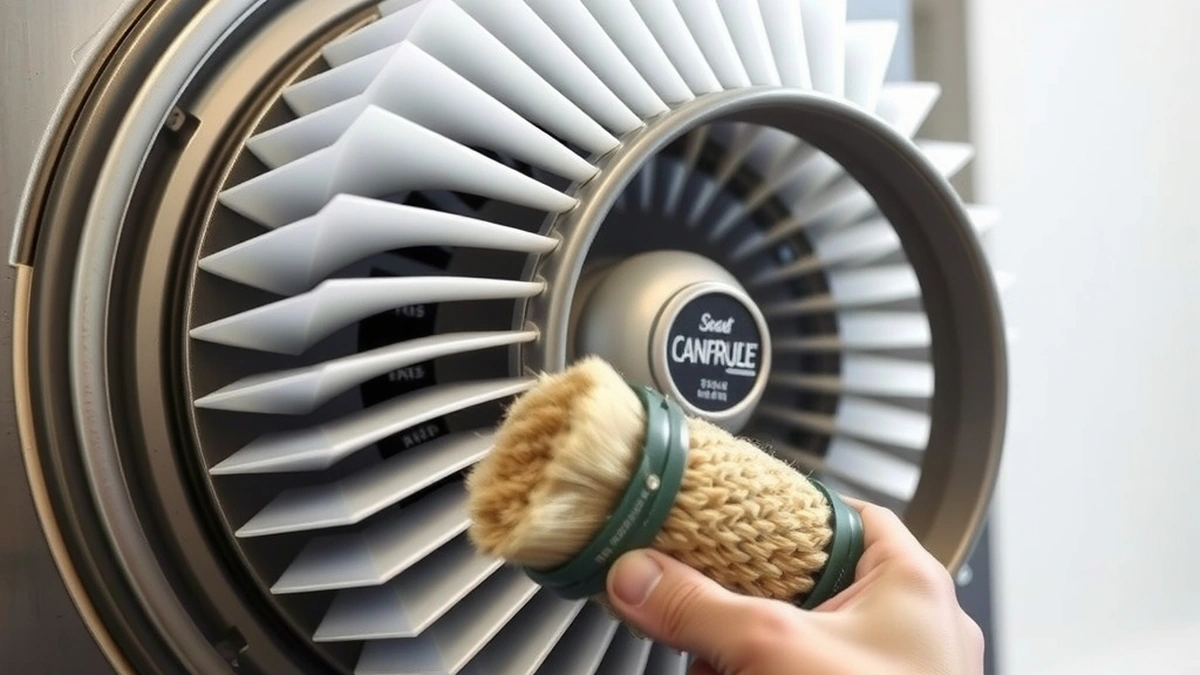
- Replace the filter. If it is grey and matted, this is likely the whole problem.
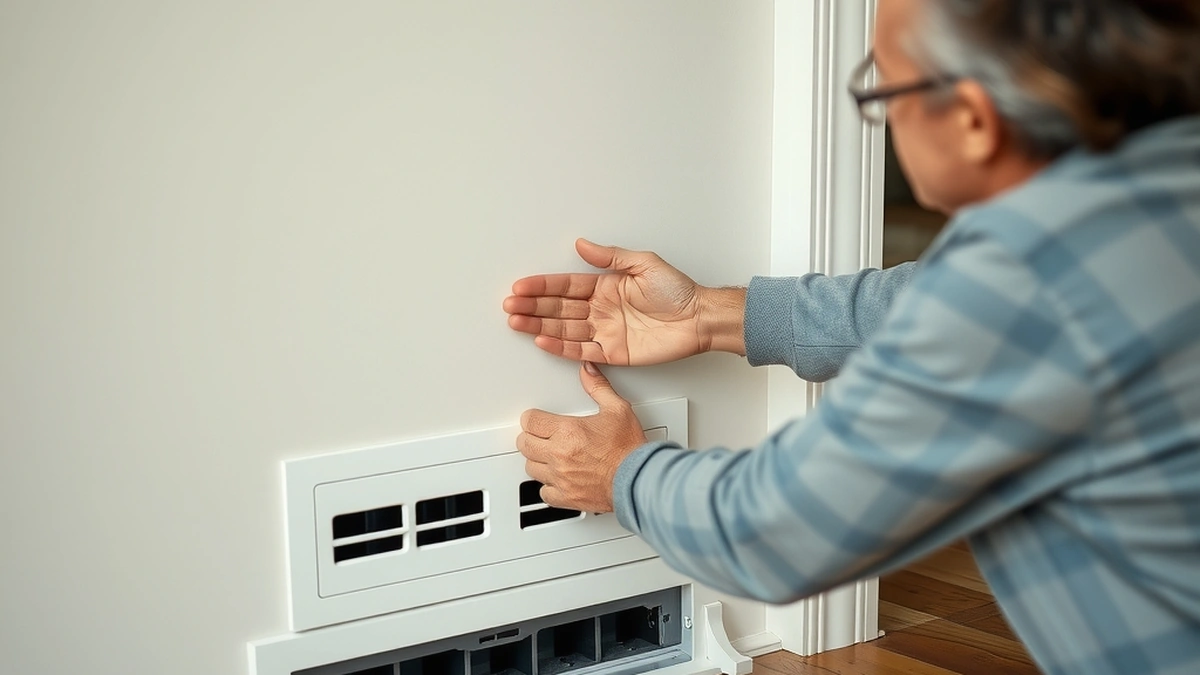
- Open every supply register and confirm the returns are unobstructed by rugs, furniture, or a closed door.
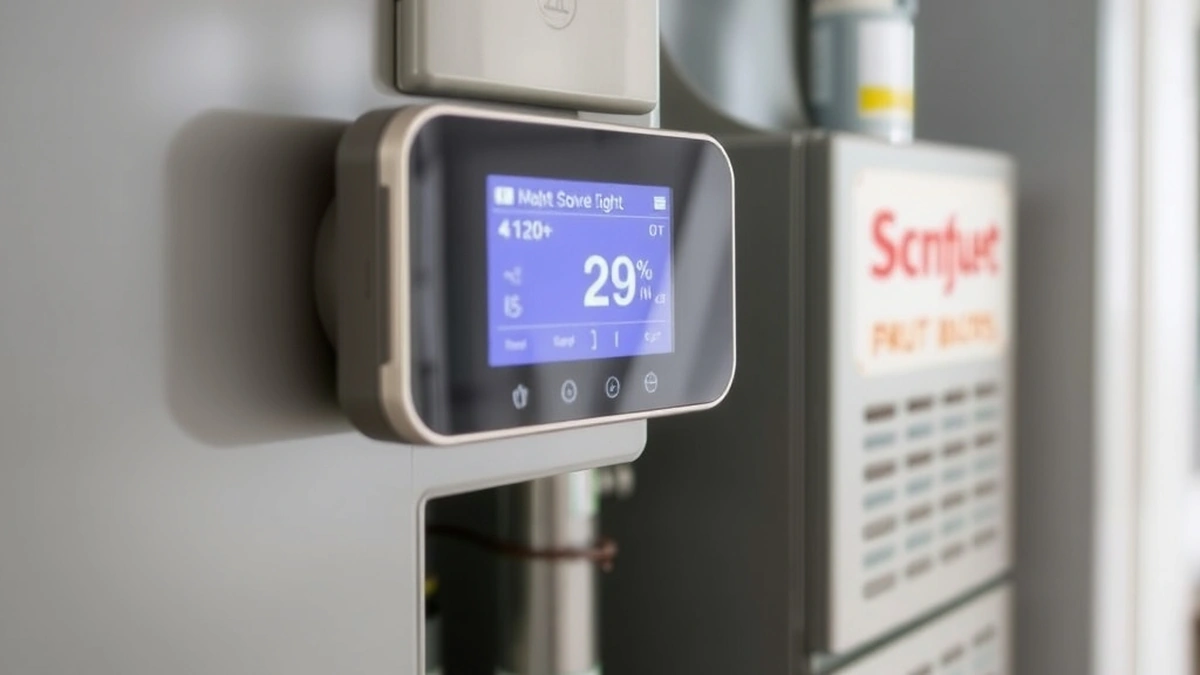
- Check the thermostat for fresh batteries, the right mode, and a location away from a lamp, a vent, or direct sun.
- Confirm the setpoint is not being met too quickly — a thermostat set to 78 when the room is 72 will satisfy in minutes and cycle.
- Look at the outdoor unit for a blocked coil, a cover left on, or debris against the fan.
If the filter was the cause, the system will run longer and steadier within a cycle or two. If nothing changes, the fault is in the safety chain or the refrigerant circuit.
The high-limit switch, and why it matters
On a furnace, restricted airflow overheats the heat exchanger. A high-limit switch sits on the exchanger and opens when it gets too hot, cutting the burner while the blower keeps running. The furnace then restarts when the switch closes, which produces exactly the two-minutes-on, five-minutes-off pattern.
Fixing the airflow usually fixes the limit trip: filter, return duct, or blower wheel. A limit switch that trips with clean airflow is a different problem — a failing blower, a dirty evaporator coil, or a mis-set fan speed — and those need a technician with a manometer and a temperature-rise reading.
Ignoring it is expensive. A heat exchanger that repeatedly overheats can crack, and a cracked exchanger turns a $300 airflow repair into a $3,000 to $8,000 replacement.
Heat pumps cycle for different reasons
A heat pump short cycles on charge, defrost, or sizing, not on a high limit. Low refrigerant makes the coil run cold, the suction pressure drops, and a low-pressure switch ends the cycle. A defrost fault leaves frost on the outdoor coil and produces a cycle that looks like short cycling but is really a defrost termination problem.
Repairs in that group run $200 to $600, and they need gauges. This is not a homeowner diagnosis. Our heat pump problems guide covers the symptom set in more detail, and the installation guide explains why charge verification at commissioning matters so much.
Oversizing: the cause repair cannot fix
An oversized furnace heats the house faster than the thermostat expects. The setpoint is satisfied in five minutes, the burner stops, and the rooms cool at different rates until the next call. The result is short cycling, uneven temperature, and a house that never quite feels comfortable.
No part fixes this. The remedy is a room-by-room load calculation and correctly sized equipment at replacement. Replacement runs $3,000 to $8,000 for a furnace and $5,000 to $12,000 for a heat pump, which is why the sizing conversation should happen before the old unit fails, not after.
A technician can confirm oversizing by comparing the data plate output to a Manual J calculation for the house. If the installed unit is 40 percent larger than the calculation calls for, the diagnosis is settled.
What it costs to leave it alone
Short cycling is not free even when the house stays warm. Each cycle includes a purge, an ignition, and a warm-up, and the furnace spends a larger share of its runtime below steady-state efficiency. The igniter and inducer accumulate starts, the heat exchanger sees more thermal stress, and the compressor in a heat pump sees more frequent starts than it was built for.
The dollar cost of the wasted gas is modest. The cost of the wear is not: an igniter replacement at $150 to $300 every few years, an inducer at $400 to $700, and a compressor that fails early on a system that installs new for five figures.
If the cycling has already produced a no-heat failure, start with no-heat repair options. If you are pricing the fix, what a short-cycling fix costs breaks the arithmetic down by cause, including the ones that end in replacement.
Frequently asked questions
How many cycles per hour is short cycling?
More than about three to five complete cycles per hour without reaching the setpoint is the usual threshold. A furnace should run ten to fifteen minutes at a time in normal weather.
Is short cycling bad for the furnace?
Yes. Every start is a purge, an ignition, and a warm-up, and repeated starts wear the igniter, the inducer, and the heat exchanger. It also leaves the house with uneven heat.
Can a dirty filter cause short cycling?
Yes, and it is the first thing to check. Restricted airflow overheats the heat exchanger, the high-limit switch opens, and the burner shuts off before the thermostat is satisfied.
Why does my heat pump short cycle in heating mode?
Common causes are low refrigerant charge, a failed defrost cycle, a blocked outdoor coil, or an oversized system. A heat pump also short cycles if the thermostat is set with a large deadband.
Does an oversized furnace short cycle?
Almost always. An oversized unit heats the house faster than the thermostat expects, satisfies the setpoint early, and then restarts when the room cools, which produces short, frequent cycles.
Can short cycling be fixed without replacing the system?
Usually yes, if the cause is airflow, a sensor, a thermostat, or charge. If the equipment is oversized, no repair fixes it; the remedy is correct sizing at replacement.
Sources
Some links are affiliate links.If you buy through them we may earn a commission at no extra cost to you. We do not accept payment for rankings. Read the full disclosure.