Strange smell: warning signs not to ignore
Which furnace smells are harmless, which mean switch it off, and which mean leave the house. A clear urgency ladder with what each sign can cost.
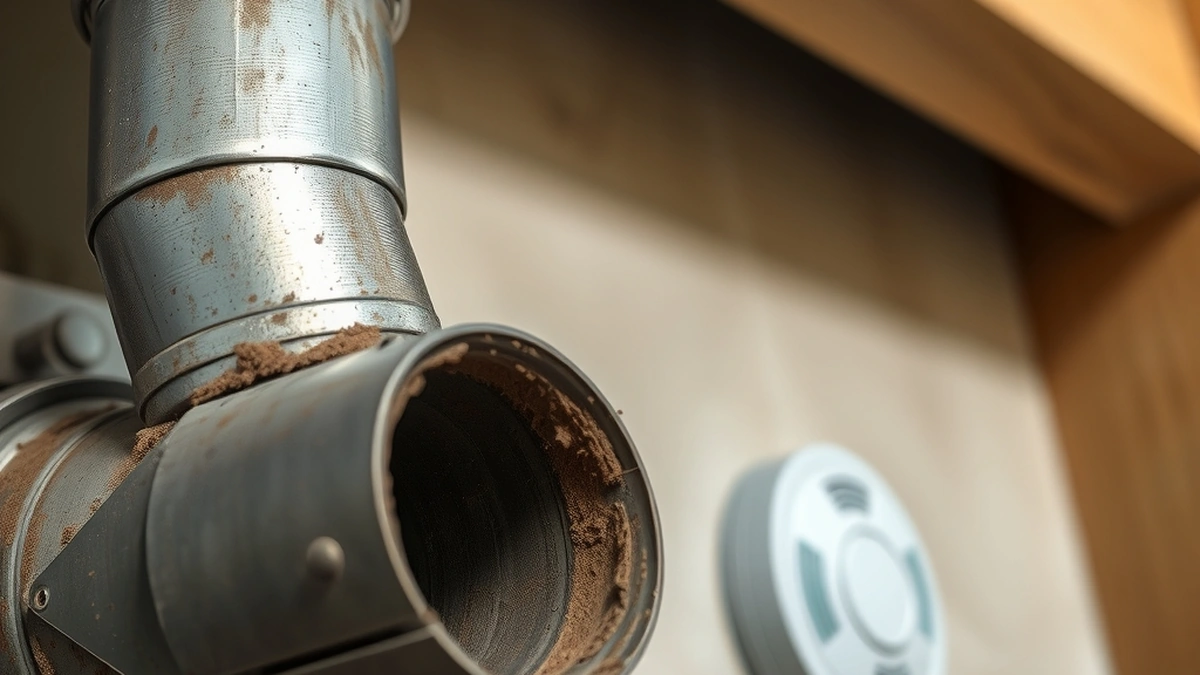
Warning signs that a furnace smell is serious include any gas odour, exhaust or flue smell indoors, soot around the burner or flue, a persistent yellow flame, and a burning electrical smell. Gas means leave and call the utility; the others mean switch off and book today.
- Diagnostic
- $100 - $250
- Combustion service
- $200 - $600
- Typical repair
- $150 - $600
- Replacement
- $3,000 - $8,000
Some links on this page are affiliate links.If you buy through them we may earn a commission at no extra cost to you. We do not accept payment for rankings. Read the full disclosure.
Most furnace smells are harmless and clear on their own. A few are not, and the difference is not subtle once you know the categories. Gas means leave the building and call the utility. Exhaust indoors, soot, or a burning electrical smell means switch the furnace off and book service at $100 to $250 for a diagnosis. A dusty smell in October means open a window.
The urgency ladder
| Sign | Meaning | Action | Cost |
|---|---|---|---|
| Rotten egg smell | Gas leak | Leave, call utility | Free |
| Exhaust smell indoors | Flue leak or backdraft | Switch off, call today | $200 - $600 |
| Soot around burner or flue | Incomplete combustion | Switch off, call today | $200 - $600 |
| Burning plastic or electrical | Wiring, motor, board | Switch off, book | $150 - $600 |
| Persistent yellow flame | Combustion fault | Book within days | $150 - $600 |
| Musty smell from vents | Moisture in ducts | Book within weeks | $300 - $800 |
| Burning dust, first run | Seasonal dust | Ventilate, run through | $0 |
The top two rows are the ones where waiting is the wrong decision.
Gas: the one that is not a repair call
Natural gas and propane are odorised deliberately. If you smell rotten eggs near the furnace, in the basement, or anywhere in the house:
- Do not touch switches, thermostats or appliances.
- Do not use a phone inside the building.
- Do not attempt to relight the pilot.
- Open a door as you leave.
- Get everyone out, including pets.
- Call the utility or 911 from outside.
The utility attends free of charge and will identify whether the leak is on the supply side or the appliance. If the appliance is at fault, a contractor repairs it afterwards, usually at $150 to $600.
The reason for the caution is straightforward: a spark from a light switch is enough. This is the one smell where the cost of being wrong is not measured in dollars.
Exhaust indoors
Combustion gases belong in the flue. When they appear in the room, one of four things has happened:
- The flue connector has corroded or disconnected.
- The chimney or flue is blocked, often by a bird nest or debris.
- The heat exchanger has cracked, mixing supply air with combustion gas.
- The flue is not drawing, and gases spill at the draft hood.
Signs that accompany the smell include soot at the flue joint, a flame that rolls out when the burner lights, and condensation on cold surfaces near the furnace.
Switch the furnace off at the service switch and book a combustion and draft service at $200 to $600. A cracked heat exchanger is not repairable economically, and that conversation moves to replacement at $3,000 to $8,000.
Soot and flame colour
Soot is visible evidence of incomplete combustion. A correctly adjusted gas burner produces a blue flame and no soot.
| Flame | Meaning |
|---|---|
| Steady blue | Correct combustion |
| Blue with a small yellow tip | Usually normal |
| Mostly yellow, steady | Air mixture or gas pressure fault |
| Yellow and floating | Excess air or draft problem |
| Lifting or blowing off | Overpressure or draft |
Soot combined with a yellow flame is a shutdown, not a booking. Carbon monoxide is produced by the same condition and has no smell of its own — the soot is the visible warning you get instead.
Burning electrical
The smell of hot plastic or scorched insulation has three common sources: a blower motor running hot before it fails, a control board with a burnt relay, or loose wiring at a terminal.
None of those is safe to leave running. Switch the furnace off and book service. Repairs run $150 to $600, with the motor at the upper end and the board in the middle.
A dusty burning smell on the first cold day is different: it fades within a few cycles and does not return. If it returns every time the furnace starts, it is not dust.
Musty smells
Mustiness is a moisture problem, not a combustion problem, and it is rarely urgent. It is worth addressing because it tends to worsen and because it can indicate standing water in the system.
The usual causes are a clogged condensate drain, a wet evaporator coil, or ducts in a humid crawlspace. Duct cleaning at $300 to $800 addresses growth that is already present, but the moisture source has to be corrected or it returns.
What to keep in the house
Two devices do more for this category than any service contract:
A carbon monoxide alarm on each level and near sleeping areas. Test monthly, replace at five to seven years.
A gas alarm if the furnace or water heater is in a basement or a closed room. Gas is odorised, but a sleeping household may not notice a slow accumulation.
Neither device replaces maintenance, but both cover the failure mode that maintenance cannot predict.
What to do when you smell something
- Identify the type — gas, exhaust, electrical, musty, or dust.
- Leave the building if it is gas.
- Switch the furnace off if it is exhaust or electrical.
- Call the utility for gas, a contractor for the rest.
- Write down when the smell appears — burners, blower, or constant.
- Do not relight or reset repeatedly to test it.
The repair options are in strange smell repair, and the pricing is in strange smell cost. For prevention, see strange smell prevention. If the furnace has already shut down and will not restart, no heat warning signs covers that sequence.
Gas: leave. Exhaust or soot: switch off. Electrical: switch off. Musty: book eventually. Dust: open a window.
Five categories, five different responses, and only one of them involves getting out of the house.
Frequently asked questions
What furnace smells are dangerous?
Gas, exhaust indoors, and a burning electrical smell are the three that require action today. Gas means leave the building and call the utility. The other two mean switch the furnace off and book service.
How do I know if the smell is gas or exhaust?
Gas has the added sulphur or rotten-egg odour. Exhaust smells acrid and is usually strongest near the furnace or when the burners light. If you are unsure, treat it as gas and leave.
Is soot around the furnace a warning sign?
Yes. Soot means incomplete combustion, which produces carbon monoxide. It should not appear on a correctly adjusted burner, and its presence warrants a shutdown and a combustion analysis.
Can a yellow flame be normal?
A small yellow tip on a blue flame is normal. A flame that is mostly yellow, floating, or producing soot is not, and it points to a combustion or air problem.
What does a burning smell at start-up mean?
Dust burning off the heat exchanger on the first run of the season, usually harmless and gone within a day. A plastic or electrical smell that persists is a fault and the furnace should be switched off.
Should I get a CO alarm as well?
Yes. A CO alarm is the only reliable warning for carbon monoxide, which has no smell. Test it monthly and replace it at the interval printed on the unit, typically five to seven years.
Sources
Some links are affiliate links.If you buy through them we may earn a commission at no extra cost to you. We do not accept payment for rankings. Read the full disclosure.