Strange smell: how to prevent it
Five measures that stop furnace smells before they start, from a $15 filter to a $100 to $250 tune-up, and the moisture fix that keeps ducts must-free.
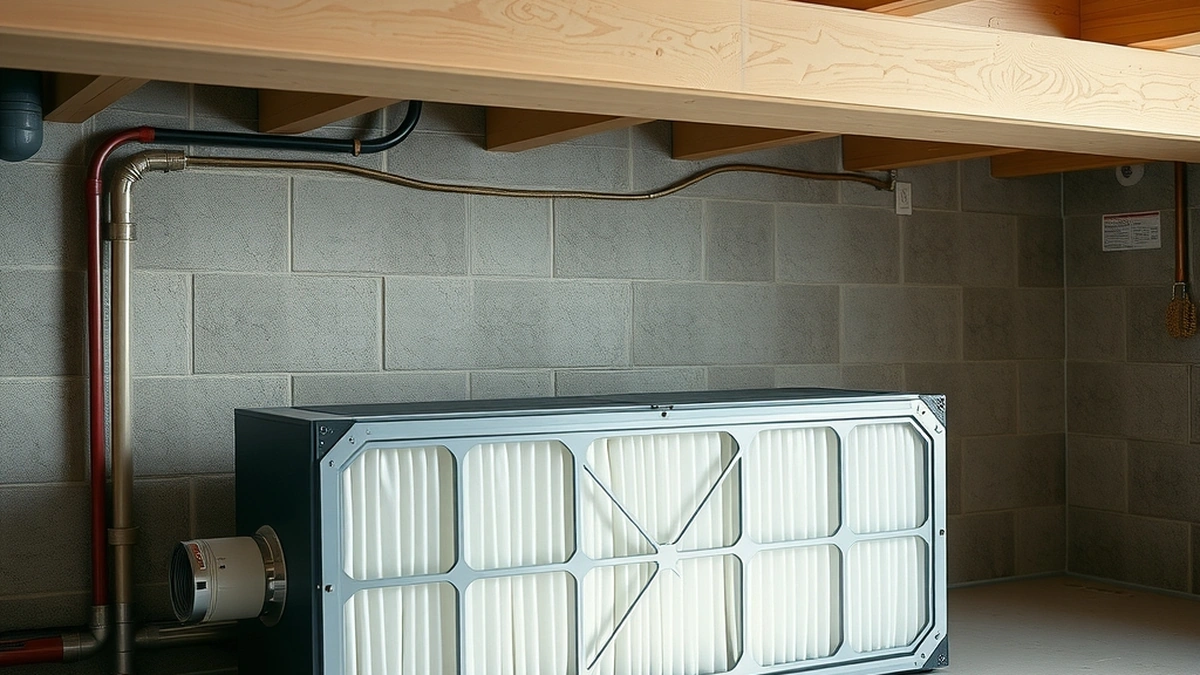
Prevent furnace smells by changing the filter every one to three months, clearing the condensate drain before each heating season, keeping the furnace room dry, and booking a tune-up at $100 to $250. Most odours come from dust, moisture or combustion.
- Filter
- $15 - $40
- Tune-up
- $100 - $250
- Duct cleaning
- $300 - $800
- Humidity target
- 30 - 50 percent
Some links on this page are affiliate links.If you buy through them we may earn a commission at no extra cost to you. We do not accept payment for rankings. Read the full disclosure.
Furnace smells are prevented at three points: the filter, the drain and the flue. A filter at $15 to $40 stops stale dust, a cleared condensate drain stops mustiness, and a $100 to $250 tune-up catches the combustion problems that produce exhaust smells. Duct cleaning at $300 to $800 is sometimes needed, but it is the last step rather than the first.
Where smells come from
Almost every furnace odour has one of four sources.
| Source | Smell | Prevented by |
|---|---|---|
| Dust on the heat exchanger | Burning dust, stale | Filter change, pre-season run |
| Moisture in ducts or coil | Musty, damp | Drain clearing, humidity control |
| Combustion | Exhaust, sulphur | Tune-up, flue inspection |
| Electrical | Burning plastic | Inspection, amp draw check |
The first two are maintenance. The third is service. The fourth is a fault that should be caught before it becomes a smell.
The filter, and why it matters more than it seems
A loaded filter does two things: it reduces airflow and it becomes a reservoir. Dust, pet hair and skin cells sit in the pleats, and every heating cycle blows air through them.
The smell that results is stale and dusty, not musty. It is strongest at the start of a cycle and fades, and it is often described as “the house smells like the furnace.”
Changing the filter at the interval for its type removes the reservoir. For a 1-inch pleated filter that is every one to three months; for a 4-inch media cabinet, six to twelve months.
Write the date on the filter edge. It is the lowest-cost intervention in this article.
The condensate drain
High-efficiency furnaces produce condensate, and air conditioners produce it in summer. Both drain through a trap and a line that can clog with dust, algae or debris.
A blocked drain leaves water standing in the trap, the drain pan or the coil cabinet. That water grows biological material, and the blower distributes the smell through the house.
The prevention is simple:
- Locate the trap and the drain line before you need to.
- Check it before each heating season and after each cooling season.
- Flush with water and confirm it drains freely.
- Check the discharge point outside, and make sure it is not pooling against the foundation.
- Replace the trap if it is cracked, which is common in older installations.
A $5 length of clear tubing and ten minutes in September prevents most musty smells.
Humidity, the underlying cause
Ducts in a humid basement or crawlspace condense water on cold metal during the cooling season. That moisture is what grows in the duct liner and on the coil.
Keeping relative humidity between about 30 and 50 percent removes the condition. Practical measures:
- Run a dehumidifier in the basement through summer.
- Fix foundation and pipe leaks rather than drying around them.
- Vent the crawlspace according to local practice, or encapsulate it.
- Do not dry laundry indoors in a sealed basement.
Duct cleaning at $300 to $800 removes growth that is already there. It does not prevent it returning if the humidity stays high.
The pre-season run
A 15-minute test run in early September does two useful things: it burns off the summer dust before you need heat, and it reveals problems while the service queue is short.
- Change the filter.
- Set the thermostat to heat and raise it a few degrees.
- Listen at the furnace for unusual noise.
- Smell the air at a register — dusty is normal, musty or exhaust is not.
- Open a window for the first cycle.
- Note anything unusual and book service before October.
The difference between booking in September and calling in January is a scheduled visit at $100 to $250 versus an emergency call at $200 to $500.
What prevention cannot cover
Two smells are not preventable by maintenance.
A gas leak can develop at any joint at any time. The prevention is a working CO and gas alarm, not a service schedule.
A sudden component failure — a motor winding, a control board — produces a burning smell without warning. The prevention is an amp draw check at the tune-up, which can catch a motor running hot before it fails.
Everything else in this category is the predictable result of dust, water or a flue that has not been looked at.
A prevention routine
- Change the filter on schedule and write the date on it.
- Clear the condensate drain before heating season and after cooling season.
- Keep humidity at 30 to 50 percent in the basement or crawlspace.
- Run the system for 15 minutes in September and note any smell.
- Book a tune-up at $100 to $250, including a heat exchanger and flue check.
- Test the CO alarm monthly and replace it on schedule.
The repair options for a smell that has already appeared are in strange smell repair, and the costs are in strange smell cost. For the signs that a smell needs urgent attention, see strange smell warning signs, and for the wider service schedule, furnace repair maintenance.
The short version
Dust, water, combustion and electricity are the only four sources. Dust is a filter. Water is a drain and a dehumidifier. Combustion is a tune-up. Electricity is an inspection.
Three of those four cost less than $250 a year to manage, and the fourth is the reason to keep the alarm batteries fresh. One more habit worth adopting: photograph the filter you install and the date written on it. When a technician asks how often it has been changed, the photo answers without argument, and it also shows whether the previous filter was the right size. A filter that is too small for its slot lets air bypass it entirely, which defeats the purpose and leaves the blower dirty.
Frequently asked questions
How do I stop my furnace smelling musty?
Fix the moisture first. Clear the condensate drain, check the evaporator coil for standing water, and keep the basement or crawlspace below about 50 percent relative humidity. Duct cleaning at $300 to $800 comes after that.
Why does my furnace smell at the start of every season?
Dust settles on the heat exchanger while the system is idle and burns off on the first runs. A pre-season filter change and a short test run in September removes most of it before you need heat.
Can a tune-up prevent smells?
It catches the causes. A $100 to $250 tune-up includes a heat exchanger inspection, a flame check, a filter change and a drain check, which covers most odour sources.
Does a clean filter stop odours?
It stops stale, dusty smells and reduces the load on the blower. It does not stop musty smells from moisture or exhaust smells from combustion, which need different fixes.
How do I keep the furnace room dry?
Fix any foundation or pipe leaks, run a dehumidifier in summer, keep stored items off the floor, and make sure the condensate drain discharges away from the equipment rather than pooling beside it.
Should I run the fan in summer to prevent smells?
Running the fan briefly each month keeps the system from sitting stagnant, but it also circulates any moisture. Fix the humidity first, then use short fan runs rather than continuous operation.
Sources
Some links are affiliate links.If you buy through them we may earn a commission at no extra cost to you. We do not accept payment for rankings. Read the full disclosure.