Electric furnace maintenance: the annual checklist
An electric furnace tune-up costs $100 to $250 and covers element amp draw, sequencer operation, blower, filter, and safety switches. Here is what to expect.
Electric furnace maintenance costs $100 to $250 a year and checks element amp draw, sequencer timing, blower condition, filter, and limit switches. There is no combustion test, but the electrical connections matter more than on a gas furnace.
- Tune-up and safety check
- $100 - $250
- Duration
- 45 - 75 minutes
- Interval
- Once a year
- Filter change
- Every 1 - 3 months
Some links on this page are affiliate links.If you buy through them we may earn a commission at no extra cost to you. We do not accept payment for rankings. Read the full disclosure.
Electric furnace maintenance costs $100 to $250 a year and takes under 90 minutes. There is no flame to analyze and no flue to inspect, so the visit concentrates on the parts that actually fail: element current, sequencer timing, high-current connections, the blower, and the limit switches that keep the cabinet from overheating.
Electric furnace maintenance is the annual service visit that measures electrical load, verifies the safety controls, and restores airflow. It is a smaller checklist than a gas furnace visit, and the measurements matter more than the cleaning.
What the visit covers
A resistance furnace is a cabinet with a blower, a bank of elements, a sequencer, and a set of limits. Each of those has a predictable failure mode, and the annual visit tests for it.
| Task | Why it matters |
|---|---|
| Replace or inspect the filter | Airflow is the most common cause of limit trips |
| Measure amp draw at each element | Confirms every stage is producing heat |
| Check sequencer timing | Stops all stages energizing at once |
| Test limit and fan switches | The overheat safety must open and close |
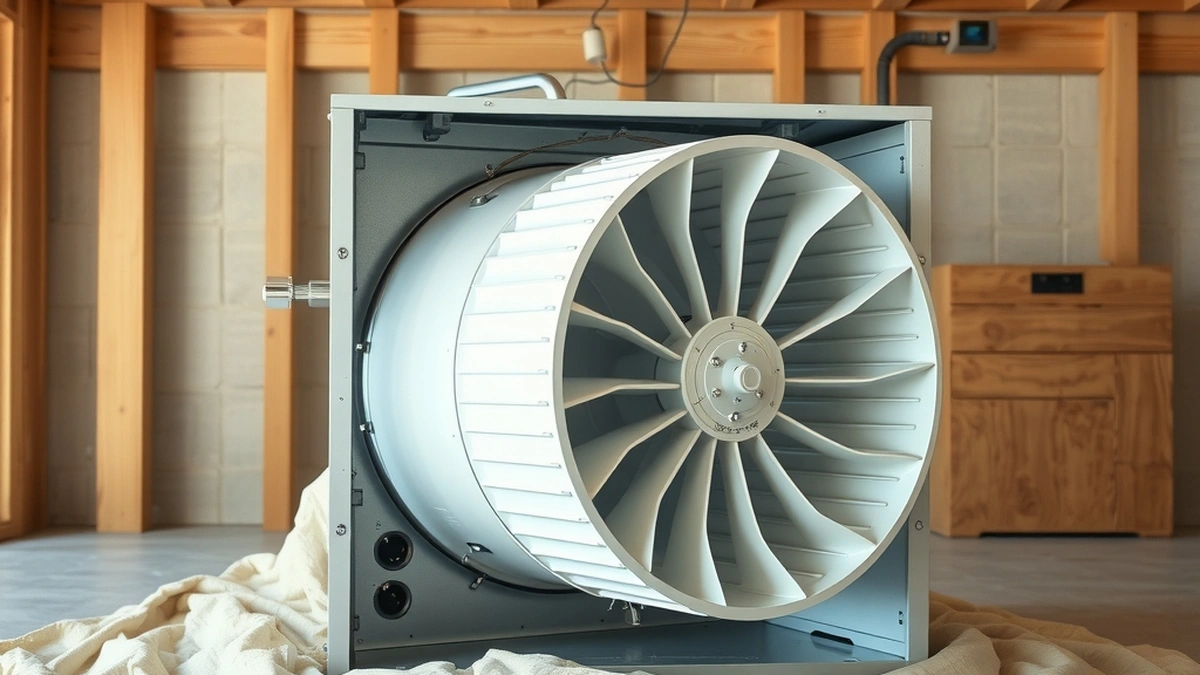
| Inspect blower wheel and capacitor | A weak capacitor overheats the motor |
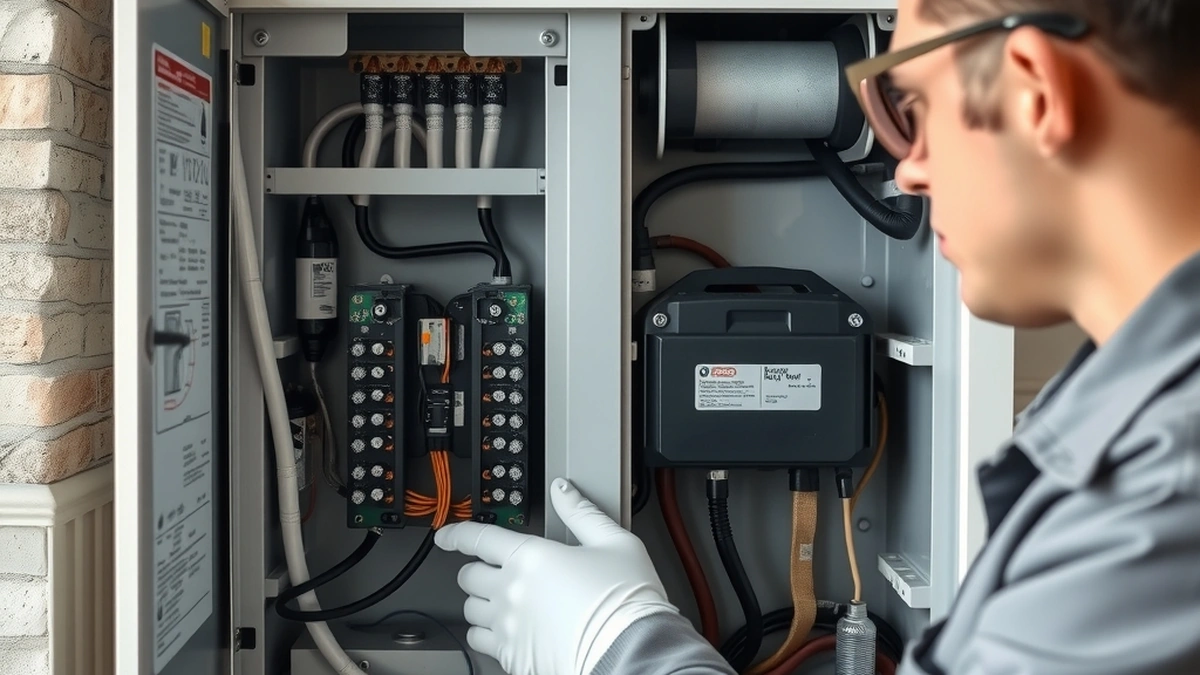
| Torque the high-current lugs | Loose connections overheat and fail |
| Check the breaker and disconnect | Verifies the circuit and the listing |
| Measure temperature rise | Confirms airflow matches the blower speed |
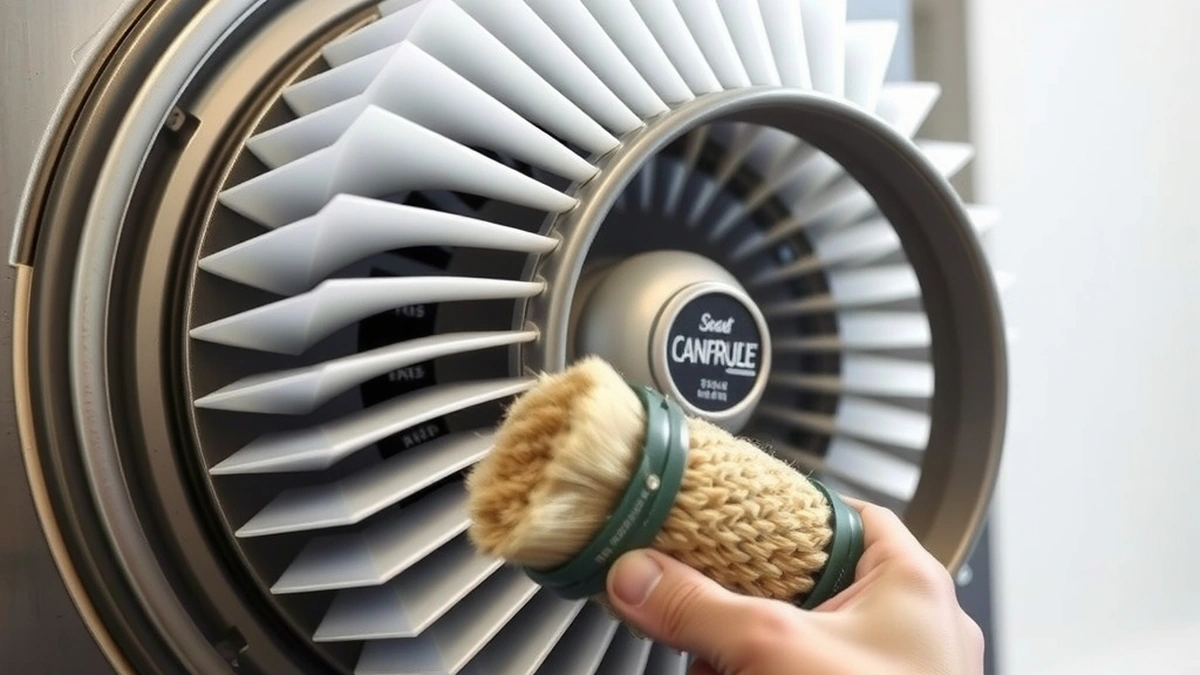
| Vacuum dust from the elements and cabinet | Dust on elements smells and insulates |
The amp reading is the single most useful number on the report. Each element has a rated current, and a clamp meter shows whether it is drawing what the label says. A stage that reads zero is open; a stage that reads high is failing.
What you can do yourself
- Change the filter on schedule. One to three months for a one-inch filter, and write the date on the frame.
- Keep returns and supplies clear. Furniture and rugs over a return raise static pressure and temperature rise.
- Vacuum around the cabinet. Dust pulled into the blower and across the elements is a fire and odor risk.
- Check the breaker label matches the furnace, especially after any electrical work.
- Note new smells or sounds. A metallic smell at startup or a new hum is worth a call before it becomes a failure.
Do not open the element compartment, touch the lugs, or test anything with the breaker on. The cabinet holds 240 volts and enough current to be lethal, and the capacitors can hold a charge after the disconnect is off.
The cost of neglect
A tune-up is $100 to $250. A common repair is $150 to $600, and an emergency call-out adds $200 to $500. One failed sequencer on a January night costs more than two years of maintenance.
The bigger number is replacement at $3,000 to $6,500. The faults that shorten an electric furnace’s life are loose connections, restricted airflow, and a failing blower capacitor. All three are visible on an annual visit and none of them announce themselves before they fail.
Maintenance against repair
| Maintenance visit | Repair visit | |
|---|---|---|
| Trigger | Calendar | A symptom |
| Cost | $100–$250 | $150–$600 |
| Scope | Measure, test, clean, torque | Diagnose and replace a part |
| Output | Amp readings and a record | Working heat and an invoice |
| Finds | Loose lugs, weak capacitors, dust | The part that already failed |
The two are not interchangeable. A repair restores heat; maintenance is how you learn that a stage is drawing low current before the cold snap arrives. A furnace with two repair visits in three seasons is a furnace whose maintenance was deferred.
What the visit does not cover
A standard electric furnace tune-up does not clean the ducts, and it should not be sold as duct cleaning. That is a separate job at $300 to $800, and it is worth doing when there is visible debris or a renovation history, not as an annual habit.
It also does not include a service panel upgrade or a new circuit. If the amp draw test shows the furnace is on a circuit that is too small, the fix is electrical work quoted separately, and it is not optional. A circuit that trips under normal load is a fire risk, not an inconvenience.
Finally, the visit does not replace a failing element that is still drawing current. An element reading slightly low may last another season or fail in a month, and the technician should tell you which readings are marginal rather than only reporting the ones that already failed.
How often, and when
Book in early autumn, before the first cold week fills every technician’s schedule. If the same blower serves central air, a spring visit can cover the cooling coil and a second visit in autumn covers the heat. Heat-only systems need one visit a year.
A rental property or a second home should be serviced before occupancy rather than after a failure. The visit is also a record for the warranty, and manufacturers commonly require annual professional service.
Booking the visit
Ask whether the price includes the amp draw readings, the temperature rise, and a torque check, and ask for those numbers on the invoice. A visit that only vacuums the cabinet is not the same service.
For what the repairs in the report cost, see the electric furnace problems guide. For the replacement decision, the cost guide has the line items, and the installation guide covers the circuit and panel work a new unit requires.
Frequently asked questions
What does an electric furnace tune-up include?
A filter change, element amp draw test, sequencer timing check, limit and fan switch test, blower inspection, capacitor test, and a torque check on the high-current lugs. It takes under an hour and a half.
How often does an electric furnace need service?
Once a year, before the heating season. There is no combustion to analyze, but connections loosen, capacitors weaken, and dust builds on the elements, and those faults are cheaper to catch early.
Is electric furnace maintenance different from gas?
Yes. There is no heat exchanger, burner, flue, or combustion test. The emphasis shifts to electrical connections, element current, sequencer operation, and airflow, which is where the failures actually occur.
How often should I change the filter?
Every one to three months for a one-inch filter and every six to twelve months for a four-inch media filter. A restricted filter raises the temperature rise and shortens element life.
Can I skip maintenance if the furnace is working?
You can, but a loose lug or a failing capacitor is invisible until it fails. The annual visit is also what many warranties require, and the invoice is the record that a claim depends on.
Does an electric furnace need a safety inspection?
Yes, for the electrical side rather than the combustion side. The inspection covers the circuit, the disconnect, the grounding, the breaker listing, and the limit switches that protect against overheating.
Sources
Some links are affiliate links.If you buy through them we may earn a commission at no extra cost to you. We do not accept payment for rankings. Read the full disclosure.