Heat pump maintenance: the annual checklist that pays
A heat pump service runs $100 to $250 a year and prevents most charge and airflow faults. Here is what to do monthly, seasonally, and once a year.
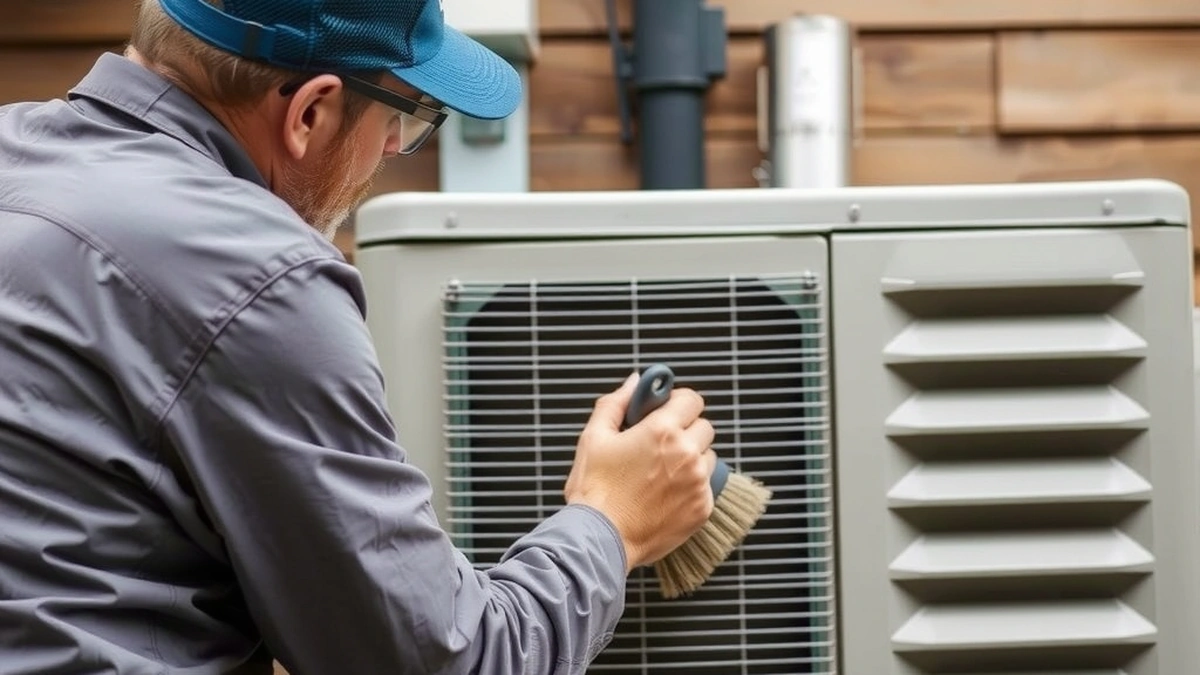
Heat pump maintenance costs $100 to $250 for a professional visit once a year, plus a filter change every one to three months. The work protects refrigerant charge, airflow, and defrost operation, which are where most repair bills originate.
- Annual service
- $100–$250
- Replacement system
- $5,000–$12,000
- Duct cleaning
- $300–$800
- Emergency call-out
- $200–$500
Some links on this page are affiliate links.If you buy through them we may earn a commission at no extra cost to you. We do not accept payment for rankings. Read the full disclosure.
Heat pump maintenance costs $100 to $250 for a professional visit once a year, plus filter changes every one to three months at a few dollars each. That is the whole budget. What it protects is a $5,000 to $12,000 appliance and the warranty that covers it.
Heat pump maintenance is the scheduled work that keeps refrigerant charge, airflow, and defrost operation within specification — the three variables that decide whether the system delivers rated capacity or slowly stops doing so.
Most heat pump repair calls start as maintenance items that went unnoticed for a season. The service is cheap because it is inspection, cleaning, and measurement rather than repair.
Why a heat pump needs more attention than a furnace
A furnace runs for a few months a year. A heat pump runs in both seasons, so its compressor, reversing valve, and outdoor fan accumulate hours roughly twice as fast.
It also has two coils instead of one, and both collect dirt: the indoor coil from household dust, the outdoor coil from pollen, leaves, and lawn clippings. Dirty coils reduce heat transfer and force the compressor to work harder for the same output.
The monthly five minutes
| Task | Frequency | Who |
|---|---|---|
| Check and replace the air filter | 1–3 months | Homeowner |
| Clear debris from the outdoor unit | Monthly in growing season | Homeowner |
| Check the condensate drain for flow | Monthly in cooling season | Homeowner |
| Confirm thermostat schedule and batteries | Twice a year | Homeowner |
| Straighten bent outdoor coil fins | Yearly | Homeowner |
| Measure refrigerant charge and airflow | Yearly | Technician |
| Inspect electrical contacts and capacitors | Yearly | Technician |
| Test defrost cycle and reversing valve | Yearly | Technician |
The homeowner column is what prevents the majority of avoidable faults. The technician column is what finds the rest before they become a repair.
What the annual visit includes
A competent service visit follows a sequence rather than a quick look at the outdoor unit.
- Measure airflow and static pressure at the air handler and compare against the design figure.
- Check refrigerant charge by subcooling in cooling mode and by weight or superheat as the manufacturer specifies.
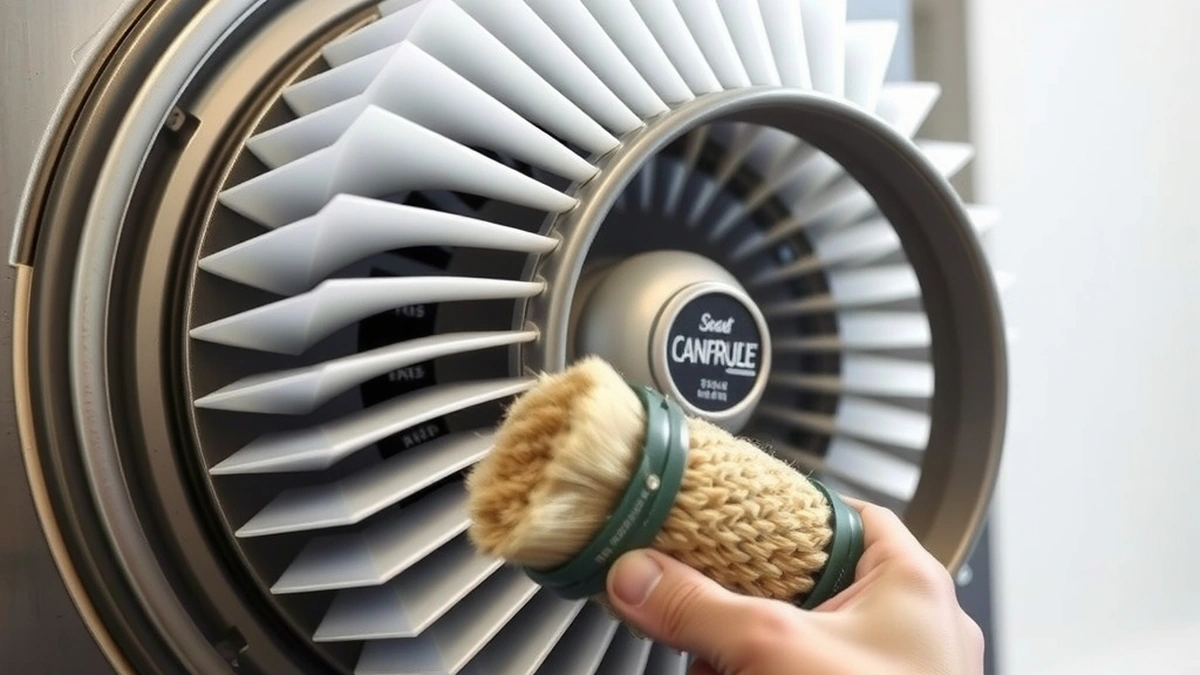
- Clean both coils — indoor with a no-rinse or rinse coil cleaner, outdoor with a garden hose and fin comb.
- Test the electrical side: contactor pitting, capacitor microfarads against the rating, and amp draw at the compressor.
- Exercise the defrost cycle and confirm the reversing valve switches in both directions.
- Flush the condensate drain and test the float switch by lifting it to confirm the system shuts down.
- Record the readings on a service sheet with the date and outdoor temperature.
That last item matters. A charge reading without an outdoor temperature is close to meaningless, and next year’s technician needs this year’s baseline.
Seasonal preparation
| Season | Focus |
|---|---|
| Spring | Cooling-mode charge check, condensate flush, outdoor coil cleaning |
| Summer | Filter discipline, condensate watch, shade and clearance |
| Autumn | Heating-mode check, defrost test, snow clearance planning |
| Winter | Keep snow off the sides and top, never cover the unit, watch for ice |
Winter is where homeowners cause damage. A cover keeps snow out but traps moisture and blocks the airflow the system needs. Clear the sides with a broom and leave the top open. If ice builds into a solid block, that is a defrost fault, not a weather problem.
The arithmetic on skipping service
A skipped year saves $100 to $250.
The bill it defers is larger. A compressor replacement on a system that ran low on charge typically lands in four figures, and a system that has been run dirty may not qualify for a parts warranty at all. If a neglected unit fails at year 12 instead of year 18, the replacement cost of $5,000 to $12,000 is pulled forward by six years.
Take the midpoint, $8,500, spread over those six lost years: $1,417 per year of value destroyed to save $250. The service is the cheapest line in the ownership budget by a wide margin.
Ducts belong in the same conversation
Leaking ducts waste the air the heat pump just conditioned. If the house has rooms that never reach temperature while the unit runs long cycles, the ducts are a suspect. Duct cleaning alone runs $300 to $800; sealing and repair are separate line items and are often the better spend.
Have the ducts looked at during the same visit, especially in a house over 20 years old that has never had them assessed.
A maintenance contract, priced honestly
Many contractors offer a twice-yearly plan that bundles a spring cooling visit and an autumn heating visit, usually at a discount against two separate calls. Ask three questions before signing:
- Does the plan include the refrigerant check, or is that billed separately?
- Does it carry a repair discount, and is there a cap?
- Does it prioritise scheduling during a heat wave or cold snap?
A plan that costs $200 to $400 a year for two visits is reasonable. One that costs more than the two visits would cost separately is a subscription, not a service.
Getting the first one right
If the system is new, book the first service for the end of the first full season, not the day after installation — that is when a commissioning fault or a slow leak will have shown itself. The installation guide covers what the commissioning report should contain, and the cost breakdown puts maintenance and installation spending in one place.
Frequently asked questions
How often does a heat pump need servicing?
Once a year at minimum, and twice a year is better in heavy-use climates because the system runs in both heating and cooling modes. Manufacturers usually require annual service to keep the warranty valid.
How much does heat pump maintenance cost?
One hundred to two hundred fifty dollars for a professional visit, which is the same band as a furnace tune-up and safety check. Parts such as filters and belts are usually extra.
Can I do heat pump maintenance myself?
You can change filters, clear the outdoor unit, straighten fins, and flush the condensate drain. Refrigerant checks, electrical testing, and coil cleaning inside the cabinet need a technician.
How often should I change the heat pump filter?
Every one to three months depending on the filter rating, pets, and dust. A one-inch fibreglass filter in a house with pets may need monthly changes in peak season.
What happens if I skip heat pump maintenance?
Dirt and low charge go unnoticed until capacity drops or the compressor fails. Skipping service also commonly voids the parts warranty, which is the expensive consequence rather than the service fee.
Should the outdoor unit be covered in winter?
No. A heat pump runs in winter and needs airflow. A loose cover traps moisture and can cause corrosion; clear snow from the sides instead and keep the top free of ice.
Sources
Some links are affiliate links.If you buy through them we may earn a commission at no extra cost to you. We do not accept payment for rankings. Read the full disclosure.