Boiler problems: common faults and how to diagnose them
Most boiler problems are pressure, air, ignition, or circulation faults. Here is how to identify each symptom and what the repair usually involves.
Most boiler problems come down to low system pressure, trapped air, a failed ignition component, or a circulation fault. Diagnose the symptom before calling, because no heat and no hot water together usually means the boiler has locked out entirely.
- Emergency call-out
- $200–$500
- Annual service
- $150–$350
- Replacement boiler
- $4,000–$8,000
- Condensing replacement
- $6,000–$12,000
Some links on this page are affiliate links.If you buy through them we may earn a commission at no extra cost to you. We do not accept payment for rankings. Read the full disclosure.
Most boiler problems fall into four groups: pressure faults, air or circulation faults, ignition faults, and control faults. The symptom tells you which group to check first, and the checks that are safe for a homeowner take about ten minutes.
A boiler problem is any fault that stops the appliance heating water or circulating it through the system at the designed temperature. Some are appliance faults. Many are system faults in the piping, the radiators, or the water itself.
The symptom table
| Symptom | Likely cause | Typical fix |
|---|---|---|
| No heat, no hot water | Lockout, gas supply, power | Reset, then diagnose |
| Heat but no hot water | Diverter valve, combi fault | Valve replacement |
| Pressure below 1 bar | Leak, relief valve, expansion tank | Find the leak first |
| Pressure above 3 bar | Failed fill valve, failed expansion tank | Tank or valve replacement |
| Banging or kettling | Scale, sludge, restricted flow | Flush, inhibitor, cleaning |
| Radiators cold at bottom | Sludge settlement | Power flush, radiator clean |
| Radiators cold at top | Air trapped | Bleed radiators |
| Some zones cold | Zone valve, circulator, wiring | Valve or pump replacement |
| Repeated lockout | Ignition electrode, flame sensor, gas valve | Component diagnosis |
| Water from the relief pipe | Overpressure or failed valve | Expansion tank, valve |
Repair prices vary by market. A diagnostic visit typically runs $100 to $250, and most single-component repairs add an estimated $150 to $500 in parts and labour.
The five faults in detail
Each of these accounts for a large share of boiler service calls. The first and second are the ones a homeowner can confirm safely.
Fault one: pressure loss
Boiler pressure should sit stable between about 1 and 1.5 bar cold for most residential systems. Weekly topping up is not maintenance; it is a symptom.
Water leaving a sealed system has four exits: a leak in the pipework or radiators, a weeping pressure relief valve, a failed expansion tank, or a failed automatic fill valve that masks the loss. Fresh water carries dissolved oxygen, so a system that is constantly topped up corrodes from the inside.
Find the leak before adding inhibitor or a sealant. Sealants hide the evidence and can block narrow passages.
Fault two: air and circulation
Air enters when the system is drained and refilled, or through a failed automatic air vent. It collects at high points and in radiators, causing cold tops, noise, and poor circulation.
Circulation faults are separate. A failed circulator, a stuck zone valve, or a closed isolation valve will leave the boiler hot and the radiators cold. Feel the pipe either side of the pump: a large temperature difference across it suggests it is not moving water.
Fault three: ignition and lockout
A modern boiler proves flame with an ionization sensor or a rectification electrode. Soot, moisture, or a cracked ceramic insulator prevents flame detection, and the control locks out.
One reset is reasonable. Two or three lockouts in a week is a fault, and repeated resetting without diagnosis can flood the combustion chamber with unburned gas.
Fault four: kettling and sludge
Kettling is a rumbling, popping noise caused by local boiling on a scaled heat exchanger. It usually arrives with restricted flow, which raises the temperature at the metal surface above the boiling point.
Black sludge — magnetite — settles in radiators and blocks narrow passages. Cold radiators at the bottom with hot tops are the classic sign. A power flush and a corrosion inhibitor treat it; a new boiler on a dirty system will inherit the problem, which is why flushing before replacement is money well spent.
Fault five: condensing boiler condensate
A condensing boiler produces acidic water that drains through a plastic trap. If the trap freezes in winter, blocks with debris, or the pipe falls below the required slope, the boiler locks out — often with no obvious symptom beyond a fault code.
This is the most common winter fault on condensing appliances, and it is a five-minute check once you know the trap’s location.
Diagnose before you call
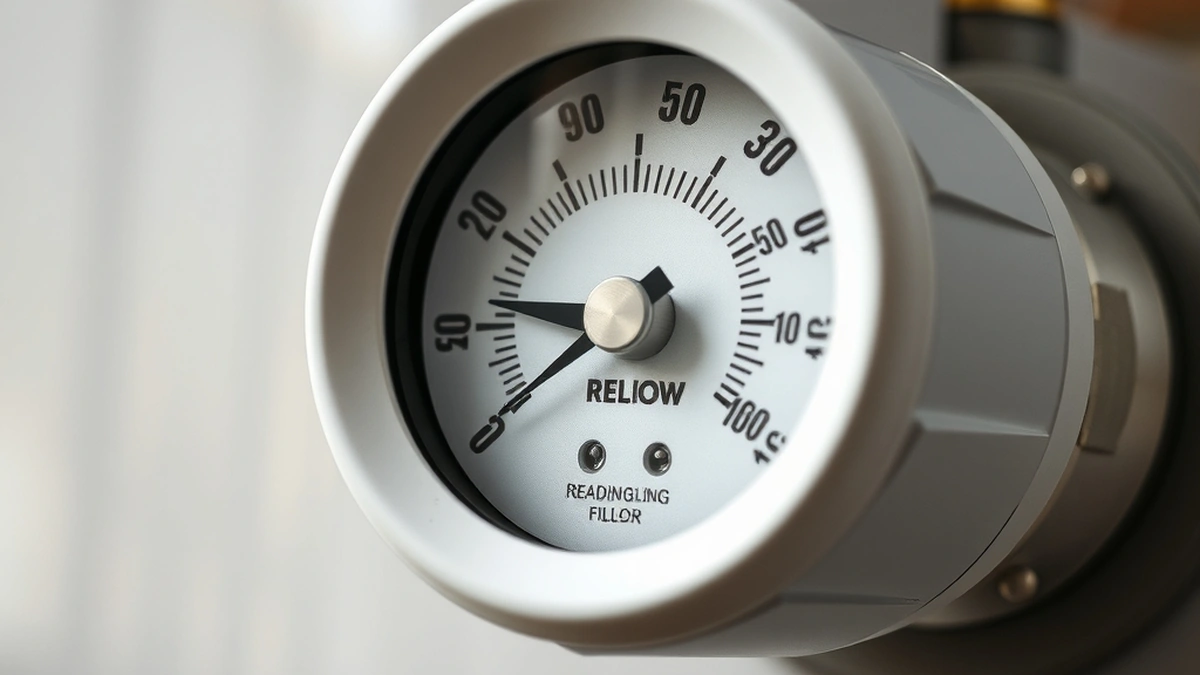
- Read the pressure gauge. Cold pressure below 1 bar means the system needs water; above 2.5 bar cold means an expansion or fill fault.
- Check the fault code, then look it up in the manual rather than pressing reset repeatedly.
- Confirm gas and power at the appliance, and check whether the programmer or thermostat has the heating switched on.
- Feel the pipes at the boiler, the pump, and one radiator. Where the heat stops is where the fault is.
- Note the noise and its timing — on ignition, during heating, or only when the pump runs.
When it is an emergency
Call out of hours for a gas smell, a carbon monoxide alarm, water escaping from the relief pipe continuously, or no heat in freezing weather with vulnerable occupants. An emergency call-out runs $200 to $500, roughly double a scheduled visit.
A noisy boiler that still heats, or one zone that stays cold, can wait for a weekday appointment.
Repair or replace
A pump, valve, or sensor on a 10-year-old boiler is a straightforward repair at a few hundred dollars. A failed heat exchanger on a 22-year-old unit is not.
The arithmetic: a $1,100 repair on a 20-year-old boiler buys perhaps three years at $367 per year. A $4,000 to $8,000 replacement over 18 years is $222 to $444 per year with no further repair risk. Past 20 years with a major fault, replacement is usually the cheaper path per year of heat.
Most of this is preventable
Stable pressure, clean water, and one annual visit at $150 to $350 remove a large share of these faults. Our maintenance guide lists what the service should cover, the installation guide explains why commissioning prevents circulation faults, and the cost guide prices the replacement decision.
Frequently asked questions
Why has my boiler stopped heating but still runs?
Usually a circulation fault, a stuck zone valve, or trapped air. The burner fires but heat does not reach the radiators, so the boiler reaches its limit and shuts down on temperature.
Why does my boiler lose pressure?
A small leak, a failed pressure relief valve, or a failed expansion tank. Topping up weekly is not a fix; the water is going somewhere and the fresh water adds oxygen that corrodes the system.
What is kettling in a boiler?
A rumbling or popping noise from limescale or sludge causing local boiling on the heat exchanger. It often accompanies restricted flow and should be treated before the exchanger fails.
What does a boiler lockout mean?
The control has detected a fault and stopped the burner for safety. Pressing reset once is reasonable; repeated lockouts mean an ignition, gas, or flame-detection fault that needs diagnosis.
Why are my radiators cold at the bottom and hot at the top?
Sludge and corrosion debris settled in the radiator. The system needs flushing and a corrosion inhibitor, and the radiator may need removing and washing out.
How much does boiler repair cost?
A diagnostic visit typically runs one hundred to two hundred fifty dollars, and a common repair such as a pump, valve, or sensor adds a similar amount. An emergency call-out runs two hundred to five hundred dollars.
Sources
Some links are affiliate links.If you buy through them we may earn a commission at no extra cost to you. We do not accept payment for rankings. Read the full disclosure.