Furnace repair vs heat pump
Repairing an existing furnace costs $150 to $600. Installing a heat pump runs $5,000 to $12,000. Here is when each option actually wins.
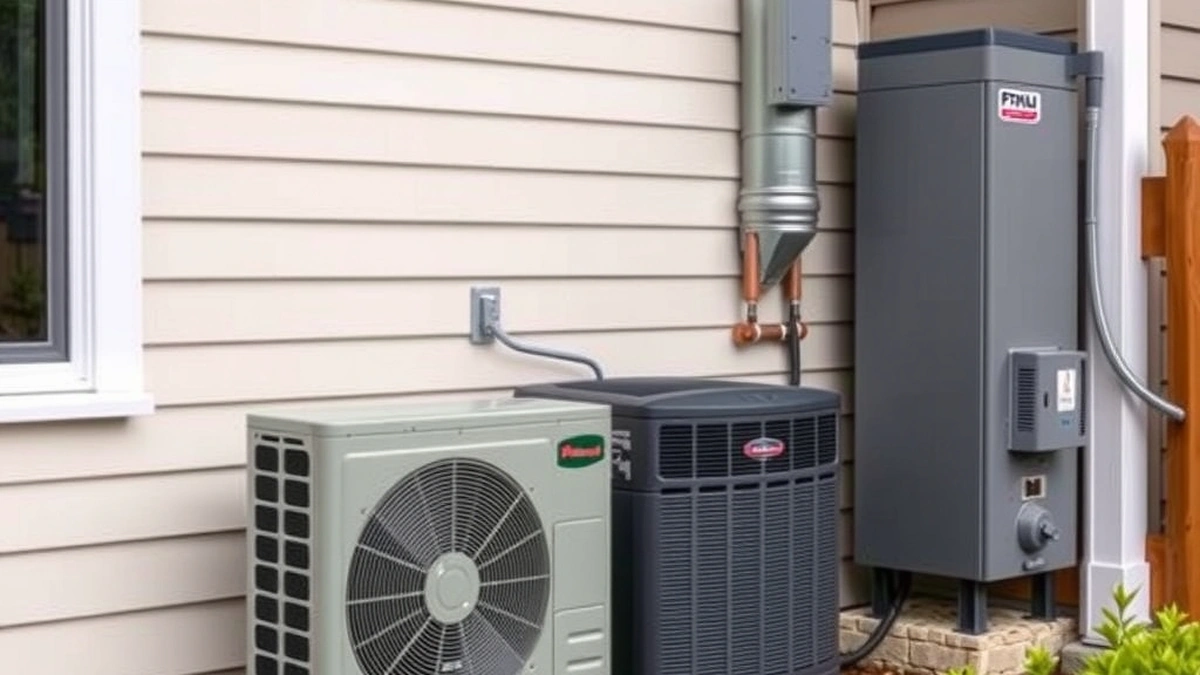
Repairing a furnace costs $150 to $600 and makes sense when the unit has years left. A heat pump installation costs $5,000 to $12,000 and wins when the furnace is failing, the climate is mild, or cooling is also needed.
- Furnace repair
- $150–$600
- Heat pump installation
- $5,000–$12,000
- Furnace replacement
- $3,000–$8,000
- Emergency furnace call-out
- $200–$500
Some links on this page are affiliate links.If you buy through them we may earn a commission at no extra cost to you. We do not accept payment for rankings. Read the full disclosure.
Repairing a furnace costs $150 to $600. Installing a heat pump costs $5,000 to $12,000. Those numbers are not close, and they answer the question for most people with a working furnace and a broken part. The comparison changes when the furnace itself is failing, when summer cooling is also on the table, or when the house sits in a mild climate.
The two options, defined
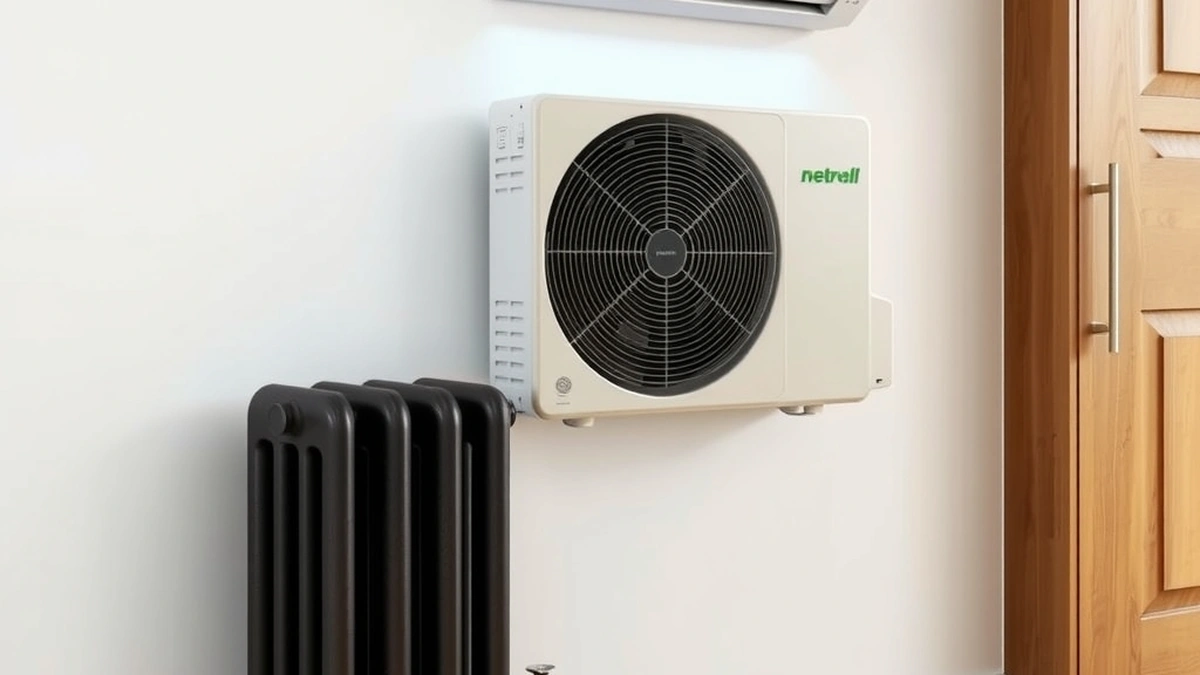
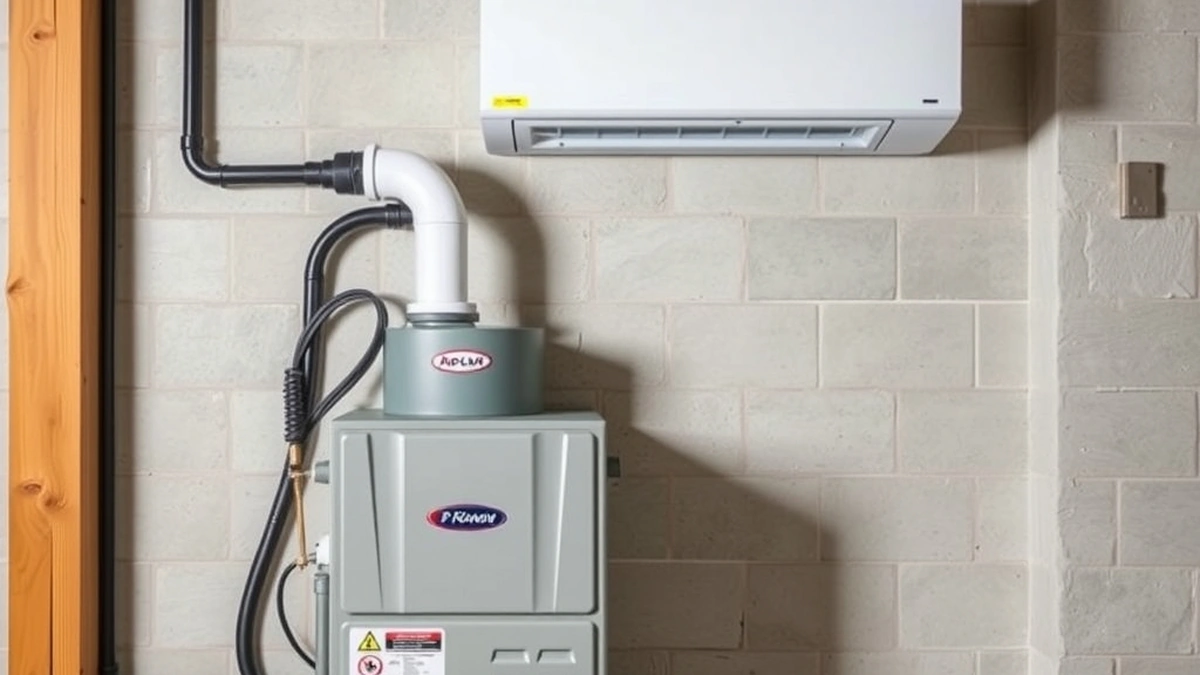
Furnace repair is the correction of a fault in an existing combustion or electric heating appliance. Heat pump installation is the replacement of the heat source with a different technology: an electric machine that moves heat rather than generating it, and that also provides cooling in summer.
That difference in function is the whole argument. A furnace does one job. A heat pump does two, which is why it costs more and why it can be worth more.
The numbers side by side
| Furnace repair | Furnace replacement | Heat pump installation | |
|---|---|---|---|
| Up-front cost | $150–$600 | $3,000–$8,000 | $5,000–$12,000 |
| Covers cooling | No | No | Yes |
| Service life | Rest of unit life | 15–20 years | 15–20 years |
| Best fit | Unit under 15 years, one fault | Failed furnace, existing AC | Failed furnace plus aging AC, mild climate |
The middle column is the one people forget. If the furnace is genuinely finished, the real comparison is not repair versus heat pump — it is replacement at $3,000 to $8,000 versus heat pump at $5,000 to $12,000. That gap of $2,000 to $4,000 is the premium you pay for cooling and for a different fuel.
The arithmetic that decides it
Start with a failing 17-year-old furnace and a $480 repair quote.
Option one: repair now, replace in three years. That is $480 today plus $5,000 for the eventual replacement — $5,480 over three years, with no cooling improvement.
Option two: install a heat pump now at $9,000 and skip the replacement. That is $9,000 today, but it also retires an air conditioner that was due for replacement anyway. If that AC would have cost $4,500, the net premium for the heat pump is $4,500, spread over 15 years — $300 a year.
Whether $300 a year is worth it depends on how much you value the efficiency gain and the cooling upgrade. It is not an automatic yes, and it is not an automatic no.
When repair clearly wins
Repair wins when the furnace is sound and one component has failed. That is most calls.
- The unit is under 12 years old.
- The fault is a flame sensor, igniter, pressure switch, or control board.
- The existing air conditioner is newer than 10 years and working.
- The house has gas service and the furnace is sized correctly.
- Winter temperatures regularly drop below 10 degrees Fahrenheit.
The last point matters. A standard heat pump loses capacity as outdoor temperature falls, and a cold-climate model handles it better but at a higher price. In a northern climate with a working gas furnace, repair is usually the rational call. Our guide to when furnace repair is worth it covers the age and recurrence tests in detail.
When a heat pump makes sense
A heat pump wins on a specific combination:
- The furnace is at or past 15 years and facing a major repair.
- The air conditioner is also old, so both systems are due.
- Electricity is reasonably priced where you live, or you have solar.
- The climate is mild to moderate, with few weeks below 20 degrees.
- You want cooling capacity that a furnace cannot provide.
In that situation, buying two systems separately — a $5,000 furnace and a $4,500 AC — approaches the heat pump price without the efficiency benefit or the single warranty.
The dual fuel middle path. A heat pump paired with a new or existing gas furnace. The heat pump runs above a balance point, usually set between 20 and 35 degrees Fahrenheit. Below that, the furnace takes over.
This gets you the efficiency of the heat pump in spring and autumn, the capacity of gas in a cold snap, and cooling in summer. It also costs more than either option alone, because you are buying both appliances and a control that switches between them.
It is the right answer for a cold-climate house that wants heat pump efficiency without risking capacity on the coldest night of the year.
Four steps to decide
- Get the furnace fault named and priced. Without a diagnosis, you are comparing a guess to a quote.
- Note the age of both the furnace and the air conditioner. The heat pump case is stronger when both are old.
- Ask for a manual J load calculation before any heat pump quote. Sizing by square footage alone undersizes cold-climate systems.
- Price the dual fuel option too. It is often skipped, and in cold climates it is frequently the correct answer.
The running cost question
A heat pump moves two to three units of heat per unit of electricity in mild weather. A gas furnace converts fuel at roughly 95% efficiency. Whether that is cheaper per delivered BTU depends on your local gas and electricity rates, which vary enough that no national average is useful.
Get both rates off a recent bill, then ask each contractor to estimate annual consumption for their option using your actual rates. An estimate built on national averages is not an estimate of your house.
Don’t replace a repairable furnace to chase a heat pump
The most common mistake in this comparison is treating a heat pump as an upgrade rather than a replacement. If a $300 igniter gets a 10-year-old furnace through another five winters, spending $9,000 now to gain efficiency is a decision about capital, not about heating.
Take the repair, and use the five years to plan the switch properly — including any incentive programs available at the time. For the repair side of the ledger, see how much furnace repair costs and furnace repair installation for what the work involves. If the answer is a new furnace rather than a heat pump, our contractor guide covers how to choose one.
Repair when the appliance has life left. Switch technology when the appliance is done and the second system is due. Those two rules cover most houses.
Frequently asked questions
Is it cheaper to repair a furnace or install a heat pump?
Repair is far cheaper up front at $150 to $600 against $5,000 to $12,000 for a heat pump. The heat pump only pays back over years through lower running costs and added cooling.
Can a heat pump replace a furnace entirely?
In mild climates, yes. In cold climates, a cold-climate heat pump can cover most of the load but usually keeps a furnace or electric backup for the coldest weeks.
How long does a heat pump last compared with a furnace?
Both typically run 15 to 20 years with annual service. A heat pump works year-round, so its compressor accumulates hours faster than a furnace that idles all summer.
What is a dual fuel system?
A heat pump paired with a gas furnace. The heat pump handles mild weather and the furnace takes over below a set balance point, usually somewhere between 20 and 35 degrees Fahrenheit.
Does repairing a furnace delay a heat pump decision?
It can. A $400 repair that buys three more winters gives you time to plan the change and possibly qualify for incentives that are not available today.
Do heat pumps need different ductwork?
Usually not. A heat pump moves roughly the same air volume as a furnace, though the blower and duct sizing should be checked because heat pumps deliver warmer air at lower temperature rise.
Sources
Some links are affiliate links.If you buy through them we may earn a commission at no extra cost to you. We do not accept payment for rankings. Read the full disclosure.