Electric furnace vs gas furnace: cost and fit
An electric furnace costs less to install and more to run. Gas costs more up front and less per BTU. Here is the arithmetic for both sides of the decision.
An electric furnace costs $3,000 to $6,500 installed against $3,000 to $8,000 for gas, but resistance heat costs roughly three times more per delivered BTU at typical US prices. Gas wins on running cost wherever a gas line already exists.
- Electric, installed
- $3,000 - $6,500
- Gas, installed
- $3,000 - $8,000
- Resistance heat per therm
- About $4.69
- Gas heat per therm
- About $1.50
Some links on this page are affiliate links.If you buy through them we may earn a commission at no extra cost to you. We do not accept payment for rankings. Read the full disclosure.
An electric furnace costs $3,000 to $6,500 installed and a gas furnace costs $3,000 to $8,000, so the electric option is usually cheaper up front. Gas is usually cheaper to run, often by a wide margin. The decision turns on whether a gas line exists and how much heat the house needs.
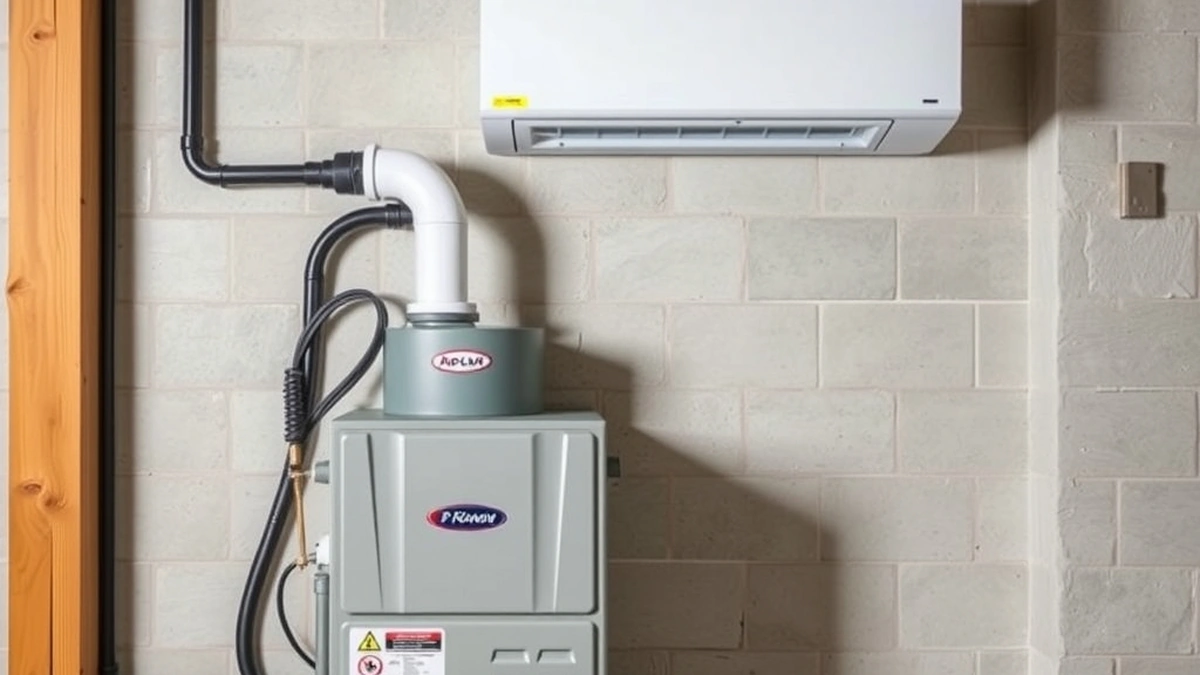
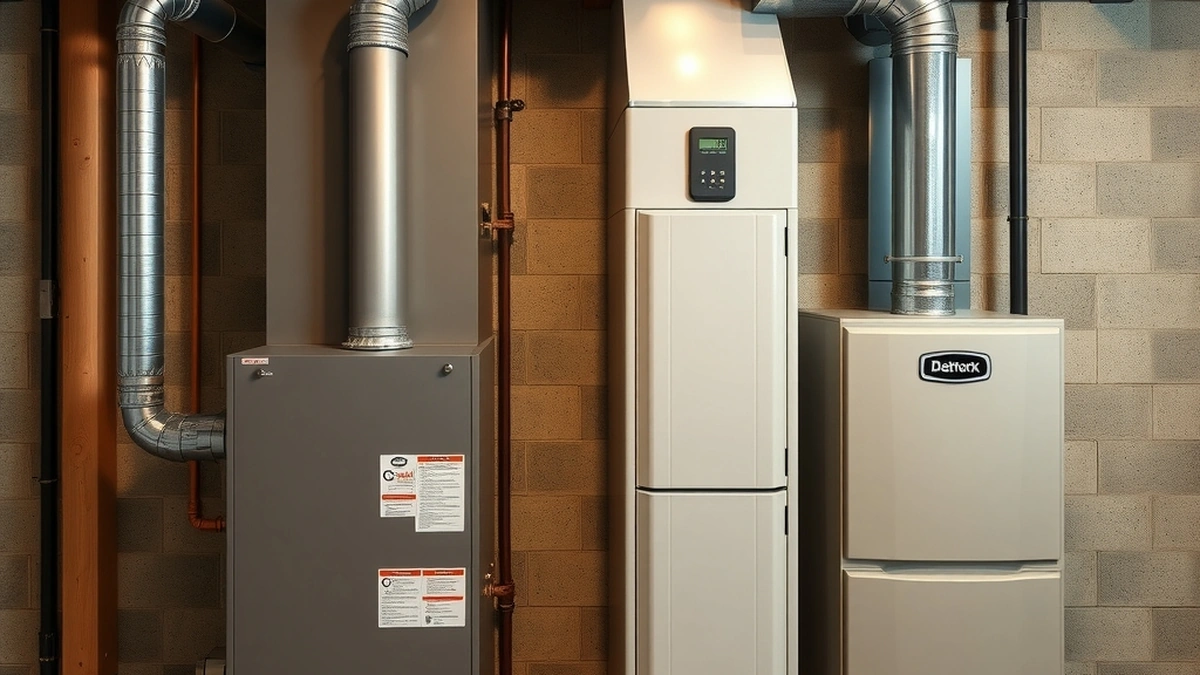
An electric furnace is a forced-air heater that makes heat by passing current through resistance elements. A gas furnace is a forced-air heater that burns fuel in a heat exchanger. Both move the heat with a blower and the same ductwork, which is why the comparison is mostly about the fuel, not the air.
Installed cost, line by line
| Line item | Electric | Gas |
|---|---|---|
| Appliance | $1,400–$2,400 | $1,500–$3,000 |
| Labor and commissioning | $700–$1,700 | $800–$2,200 |
| Fuel or electrical supply | $350–$800 circuit | $100–$500 gas line |
| Venting | None | $150–$800 |
| Breaker, disconnect, or valve | $100–$300 | Included above |
| Plenum and transition | $250–$700 | $250–$700 |
| Permit and inspection | $100–$350 | $100–$400 |
| Removal and disposal | $100–$250 | $100–$400 |
The electric low column sums to $3,000 and the high column to $6,500. The gas low column sums to $3,000 and the high column to $8,000. The gas premium comes from venting, gas piping, and a more expensive appliance; the electric premium comes from the circuit and, when needed, a panel upgrade at $1,500 to $3,000.
Running cost in therms and kilowatt-hours
One therm is 100,000 BTU. Resistance heat delivers about 100 percent of its input as heat at the element, and one therm equals 29.3 kilowatt-hours. Gas at 80 percent AFUE delivers 80 percent of its input.
| Electric resistance | Gas at 80 AFUE | |
|---|---|---|
| Example price | $0.16 per kWh | $1.20 per therm |
| Units per therm of heat | 29.3 kWh | 1.25 therms |
| Cost per therm delivered | $4.69 | $1.50 |
| 600 therms of heat | $2,814 | $900 |
The electric arithmetic: 29.3 × $0.16 = $4.69. The gas arithmetic: $1.20 ÷ 0.80 = $1.50. The ratio is $4.69 ÷ $1.50 = 3.1 to one.
Over a 600-therm heating season the difference is $2,814 − $900 = $1,914 a year. The gas install premium in the worked example is about $800, so the payback is $800 ÷ $1,914 = 0.42 years, or roughly five months of heating. Prices vary by region, and the ratio moves with them, but the direction rarely flips for resistance heat.
A heat pump changes the comparison because it moves heat instead of generating it. Our heat pump cost guide puts installation at $5,000 to $12,000, and the running cost can undercut gas in many climates.
Comfort, airflow, and noise
Both furnaces are ducted forced-air systems, so comfort depends on the same variables: sizing, duct design, and blower settings. A gas furnace typically delivers supply air in the 100 to 130 degree Fahrenheit range; an electric furnace is similar, and the temperature rise on the label is what the installer sets.
Noise differs slightly. A gas furnace has an inducer motor and a burner, and a condensing unit adds a condensate pump. An electric furnace has only the blower and the elements, though a failing element or a loose panel can hum. In both cases, the duct system produces more noise than the appliance.
What the house already has
The existing infrastructure usually decides the answer. A house with a gas meter, a gas water heater, and a sound flue has most of the gas furnace’s cost already paid. A house with no gas service faces a line extension, a meter set, and sometimes a trench, which can erase the running-cost advantage for years.
On the electric side, a 100-amp panel in an all-electric house may not carry a 15-kilowatt furnace. The service calculation decides whether the install is a circuit or a panel upgrade, and that estimate is the number to get before comparing equipment prices.
Six decision steps
- Confirm whether gas service exists at the address, and get the utility’s connection cost if it does not.
- Run a load calculation to get the BTU the house actually needs.
- Get a service calculation for the electrical panel if the electric route is on the table.
- Price both installs on the same scope, including venting, piping, and the plenum.
- Compare running cost at your own utility rates, not national averages.
- Ask about a heat pump before signing, because it changes both the install and the running numbers.
Where each one wins
Electric wins where gas is unavailable, where the electrical capacity already exists, where the heating load is small, and where electricity is cheap. It also wins on service life and on the simplicity of a machine with no combustion.
Gas wins wherever a gas line already reaches the house and winters are long. The install premium is recovered in the first heating season at the example prices, and the appliance has a mature parts and service network in most markets.
One more case sits outside the pair: a house with no ducts. Adding ductwork to either furnace turns a furnace decision into a distribution project, and a ductless heat pump may beat both on total cost.
For the electric side in detail, see the electric furnace cost guide and the electric furnace problems guide. For the gas side, the gas furnace cost guide covers the same line items.
Frequently asked questions
Is electric heat cheaper than gas?
Almost never for resistance heat. At 16 cents per kilowatt-hour and 1.20 dollars per therm, electric resistance costs about 4.69 dollars per therm delivered against about 1.50 dollars for gas at 80 percent AFUE.
How much does it cost to switch from electric to gas?
The furnace is three thousand to eight thousand dollars, plus a gas line or meter set if the house has no service. A new service line can add a separate utility charge and a trench or a long pipe run.
Which lasts longer, an electric or a gas furnace?
An electric furnace typically lasts fifteen to twenty-five years because there is no combustion or heat exchanger. A gas furnace runs fifteen to twenty years, and the heat exchanger usually decides the end of life.
Does an electric furnace need a chimney?
No. There is no combustion, so there is no flue. That is why electric furnaces fit in closets and interior spaces where a gas furnace would need a vent route.
Can I keep my ductwork when switching fuel?
Usually yes, if the duct system is sized for the airflow and the static pressure is acceptable. The plenum transition may need rebuilding because cabinet dimensions differ between models.
Is a heat pump better than either furnace?
A heat pump costs five thousand to twelve thousand dollars installed and can cut running cost below both furnaces in many climates because it moves heat rather than making it. It also provides cooling.
Sources
Some links are affiliate links.If you buy through them we may earn a commission at no extra cost to you. We do not accept payment for rankings. Read the full disclosure.