Gas furnace vs ductless mini-split
A furnace costs $3,000 to $8,000 for whole-house ducted heat; a mini-split costs $3,000 to $5,500 per zone. When each one makes sense, with numbers.
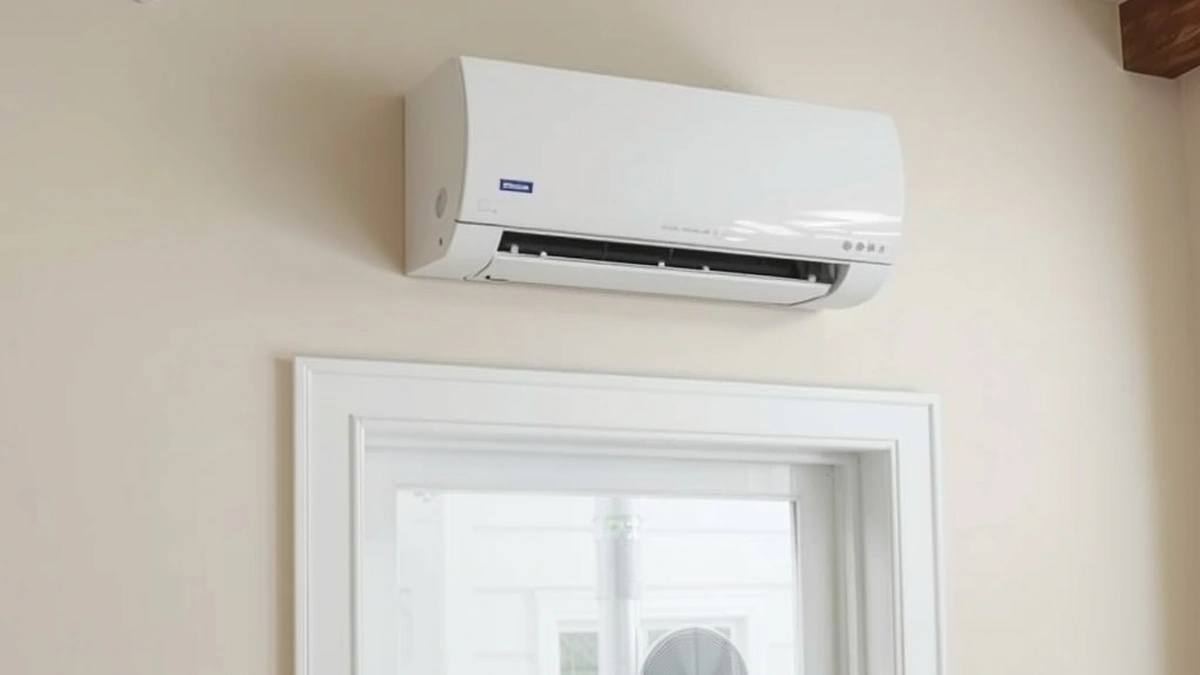
A gas furnace heats a whole house through ducts for $3,000 to $8,000. A ductless mini-split costs $3,000 to $5,500 for a single zone and multiples for a whole house, but it needs no ducts, cools as well as heats, and suits additions and houses without ductwork.
- Gas furnace
- $3,000 - $5,500
- Mini-split per zone
- $3,000 - $5,500
- Furnace repair
- $150 - $600
- Tune-up
- $100 - $250
Some links on this page are affiliate links.If you buy through them we may earn a commission at no extra cost to you. We do not accept payment for rankings. Read the full disclosure.
A gas furnace heats a whole house through ducts for $3,000 to $8,000 installed. A ductless mini-split costs $3,000 to $5,500 for one zone, so a whole-house system is usually more expensive than a furnace replacement. What a mini-split buys instead is no ductwork, room-by-room control, and air conditioning from the same unit. Neither is universally better.
What each system is
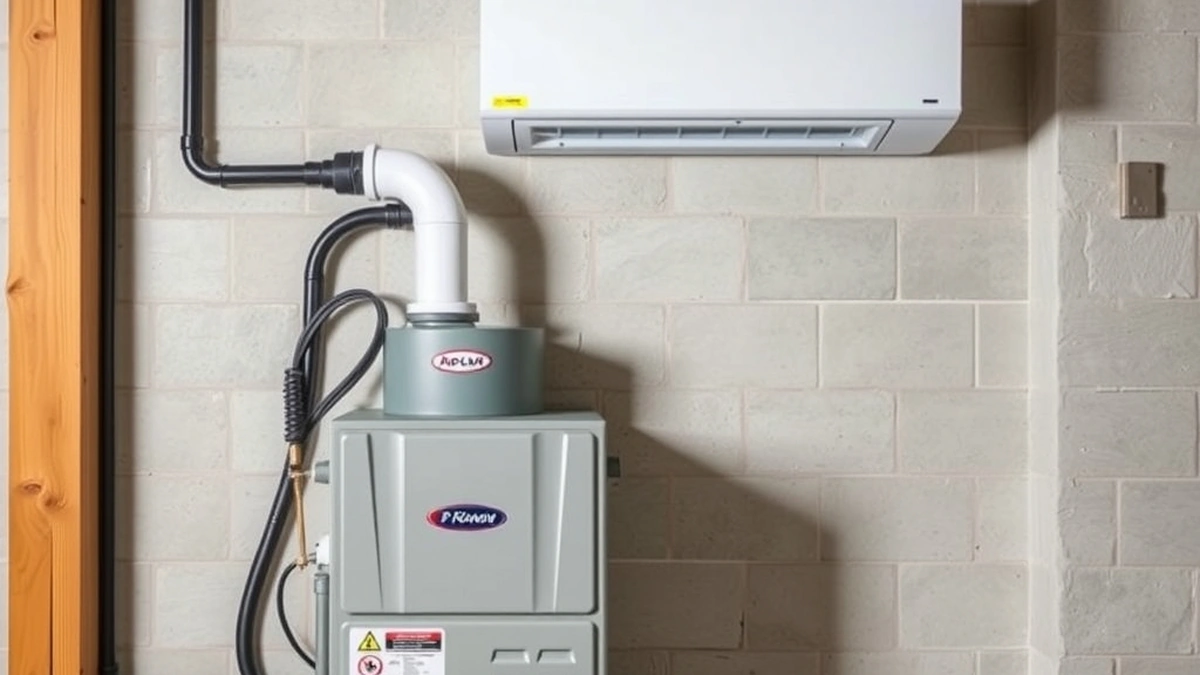
A gas furnace is a central forced-air appliance. One unit heats air and a blower distributes it through ducts to every room.
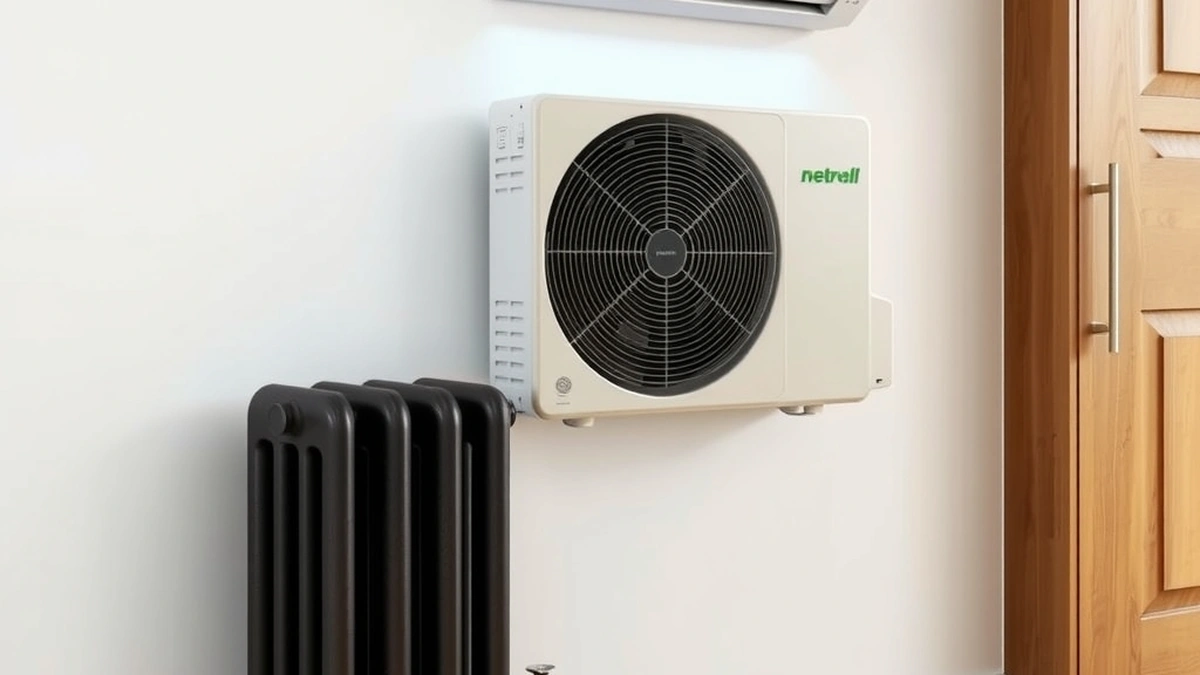
A ductless mini-split is a split heat pump with an outdoor condenser and one or more indoor heads, each serving a single room or open area. There is no ductwork; refrigerant lines connect the head to the outdoor unit.
One system conditions the whole house at once. The other conditions specific rooms.
Cost compared
| Item | Gas furnace | Mini-split |
|---|---|---|
| Single zone | N/A | $3,000 - $5,500 |
| Whole house | $3,000 - $8,000 | $9,000 - $18,000 |
| Ductwork | Existing or $4,000 - $12,000 | None |
| Cooling | Separate system | Included |
| Electrical | Standard circuit | Dedicated circuit per unit |
| Permit | $50 - $500 | $50 - $500 |
The comparison that matters is whole-house against whole-house. A three-zone mini-split at $5,500 per zone is $16,500, against a furnace at $5,500 plus a central air conditioner at $4,000 for $9,500. On a like-for-like basis, ducts usually win on price when they already exist.
Where the mini-split wins
- No existing ductwork. A house with radiators, baseboard heat, or no central system at all.
- Additions and converted garages, where extending ducts is expensive or impossible.
- Zoned comfort. Heating one occupied room instead of the whole house.
- Cooling as well as heating from one unit.
- Quiet operation, with no blower or duct noise.
- No duct losses, which in a vented attic can be significant.
Where the furnace wins
- Whole-house heating at the lowest installed cost, where ducts exist.
- Cold climates, where a single central system with high output is simpler.
- Filtration and humidity control through the duct system.
- Fewer wall penetrations and outdoor units.
- Simpler maintenance, with one appliance rather than several.
Running cost, with the arithmetic
Assume a house needing 60 million Btu of delivered heat.
Gas furnace at 90 AFUE, $1.20 per therm:
- 60 ÷ 0.90 = 66.7 million Btu input
- 667 therms × $1.20 = $800
Mini-split at an average COP of 2.5, $0.16 per kWh:
- 60 ÷ 2.5 = 24 million Btu of electricity
- 7,030 kWh × $0.16 = $1,125
The furnace is cheaper on those assumptions by $325. At a COP of 3.0 the mini-split costs $938, and at $0.12 per kWh it costs $844, which beats the furnace.
The mini-split’s real running-cost advantage is not the fuel arithmetic — it is zoning. Heating two rooms instead of six can cut consumption by more than any efficiency difference, because you are not conditioning space nobody is using.
Zoning, the actual argument
A ducted system heats the whole house to one setpoint. A mini-split system heats the rooms that are occupied.
For a retired couple using two rooms in the evening, a zoned system can use far less energy than a central furnace heating an empty upstairs. For a family using every room, the advantage disappears.
That is why the honest answer to “which is cheaper to run” is: it depends on how much of the house you actually heat. The equipment efficiency is secondary.
Maintenance and repair
| Task | Furnace | Mini-split |
|---|---|---|
| Annual service | $100 - $250 | $150 - $300 per system |
| Filter care | 1 - 3 months | Monthly rinse |
| Coil cleaning | At service | Annual |
| Typical repair | $150 - $600 | $200 - $800 |
| Outdoor unit | None | Clear snow and debris |
A mini-split needs its indoor filter rinsed monthly and its outdoor unit kept clear. The heads are also visible on the wall, which is a design consideration in a living room.
A multi-zone system multiplies the service cost: one outdoor unit with four heads still needs the heads checked, and each is a potential leak point at the flare connections.
The furnace side is priced in how much furnace repair costs, and the mini-split side in ductless mini-split cost.
What to ask before choosing
- Is there existing ductwork, and what condition is it in?
- How many rooms are actually occupied at the same time?
- What is the design temperature, and does the chosen model hold capacity there?
- How many outdoor units will the design need, and where will they sit?
- Is cooling needed, and is there an existing air conditioner?
- What is the total installed cost for the whole house, not per head?
Question three decides cold-climate viability. A model rated at 80 percent capacity at 5°F is a different proposition from one that drops to 50 percent.
Question four matters for appearance and for maintenance. Four outdoor units on a wall is a different installation from one.
The related comparisons are heat pump vs ductless mini-split and boiler vs ductless mini-split.
A mini-split is the right answer when there are no ducts, when only part of the house needs conditioning, or when cooling is wanted without a duct system. A furnace is the right answer when ducts exist and the whole house needs heat.
The purchase price comparison favours the furnace on a whole-house basis. The running-cost comparison favours whichever system heats less space. A note on appearance, since it is part of the decision: a ducted system hides its work behind registers, while a mini-split puts a head on the wall of every conditioned room. In a living room with a clear wall, that is a design choice rather than a technical one, and it is worth deciding before the equipment is ordered rather than after. Some households accept the heads for the zoning and cooling; others prefer the invisibility of ducts and pay for it in running cost.
Frequently asked questions
Is a mini-split cheaper than a furnace?
For one room, often yes. For a whole house, usually no, because each zone needs its own head. A four-zone system commonly costs more than a single ducted furnace replacement.
Can a mini-split replace a furnace entirely?
In a mild climate and a well-insulated house, yes. In a cold climate, capacity at low temperatures and the number of heads needed usually make a furnace or a dual-fuel system more practical.
Do mini-splits work in cold weather?
Cold-climate models retain useful capacity well below freezing, but output falls as temperature drops. A backup heat source is often specified for the coldest weeks.
How much does a mini-split cost installed?
Typically $3,000 to $5,500 for a single zone including the line set and electrical. Each additional head adds $1,300 to $2,600 depending on whether it shares an outdoor unit.
Which is quieter?
A mini-split, by a wide margin. There is no duct-borne noise and the indoor head is quiet at low fan speeds. A furnace blower and duct rumble are absent entirely.
Do mini-splits need duct cleaning?
No, because there are no ducts. They do need filter cleaning monthly and a coil clean annually, which the homeowner can partly do.
Sources
Some links are affiliate links.If you buy through them we may earn a commission at no extra cost to you. We do not accept payment for rankings. Read the full disclosure.