Electric furnace vs boiler
Forced-air resistance heat at $3,000 to $6,500 against hydronic heat at $3,000 to $7,000. Comfort, cost and what a conversion actually involves.
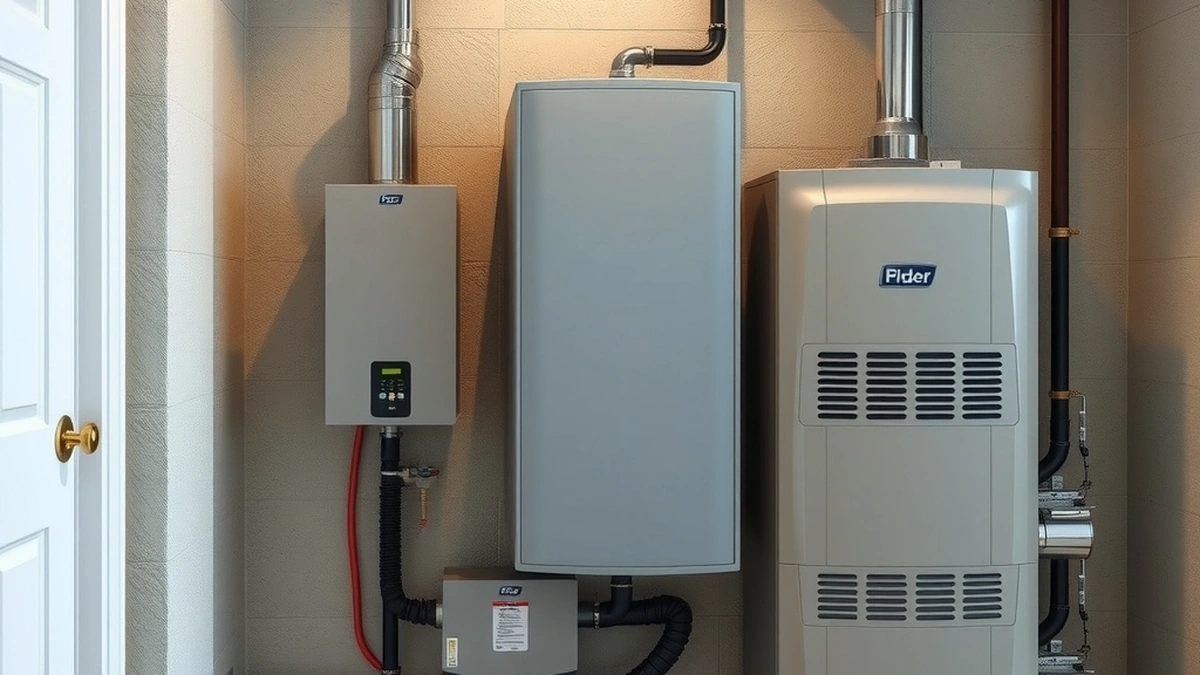
An electric furnace heats air through ducts for $3,000 to $6,500 installed. An electric boiler heats water for radiators or radiant floors at $3,000 to $7,000, plus emitters. Both use resistance heat at the same efficiency; the difference is distribution and comfort.
- Electric furnace
- $3,000 - $6,500
- Electric boiler
- $3,000 - $7,000
- Furnace repair
- $150 - $600
- Tune-up
- $100 - $250
Some links on this page are affiliate links.If you buy through them we may earn a commission at no extra cost to you. We do not accept payment for rankings. Read the full disclosure.
An electric furnace heats air and pushes it through ducts for $3,000 to $6,500 installed. An electric boiler heats water for radiators or radiant floors at $3,000 to $7,000, plus the cost of the emitters if they do not already exist. Both use resistance heat at the same efficiency, so the running-cost difference is small. The choice is about distribution, comfort and whether you want air conditioning.
Same heat source, different delivery
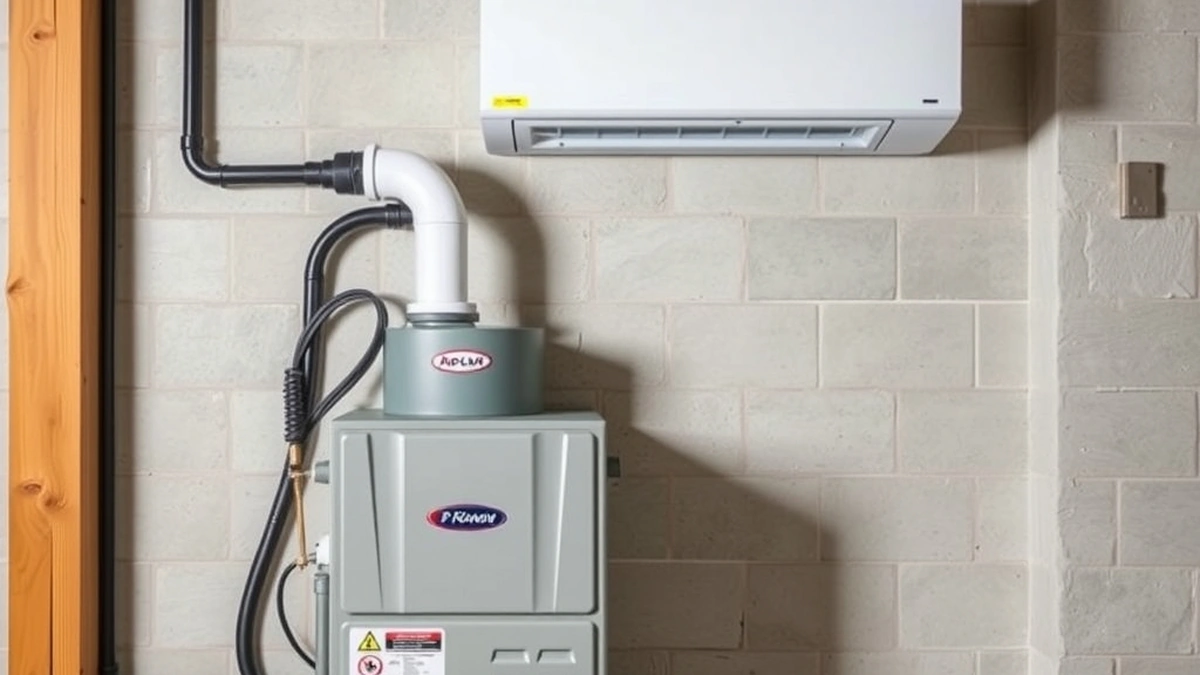
An electric furnace contains resistance elements in an air handler. A blower pushes air across them and through ducts.
An electric boiler contains resistance elements immersed in water. A circulator pump moves the heated water through pipes to radiators, baseboard convectors or floor tubing.
Both convert electricity to heat at essentially 100 percent. Neither can exceed that, because resistance heating is a direct conversion. The difference is entirely in how the heat reaches the room.
Cost compared
| Item | Electric furnace | Electric boiler |
|---|---|---|
| Equipment | $800 - $2,500 | $1,200 - $3,000 |
| Labour | $700 - $1,800 | $1,000 - $2,200 |
| Distribution | Ducts, usually existing | Pipes and emitters, usually existing |
| Electrical | $0 - $2,500 | $0 - $2,500 |
| Permit | $50 - $500 | $50 - $500 |
| Total | $3,000 - $6,500 | $3,000 - $7,000 |
A boiler costs slightly more because it has water-side components: a circulator, an expansion tank, a pressure relief valve and an aquastat. Those parts add cost and failure points.
Neither total includes distribution. Adding ducts to a hydronic house runs $4,000 to $12,000; adding radiators or radiant tubing to a forced-air house runs $6,000 to $20,000.
Running cost
Because both are resistance heat, the fuel cost per delivered Btu is the same. A 60 million Btu heating season at $0.16 per kWh costs:
- 60 million Btu = 17,580 kWh
- 17,580 × $0.16 = $2,813
That figure applies to either system, assuming the distribution losses are equal.
They are not always equal. Ducts running through a vented attic or an unheated crawlspace lose a meaningful share of the heat they carry. Pipes in the same space lose far less, because water carries more heat per unit volume and the surface area is smaller.
In a house with ducts in a vented attic, a hydronic system can therefore be cheaper to run on the same fuel. In a house with ducts inside the conditioned envelope, there is no difference worth counting.
Comfort, compared honestly
A furnace warms a room quickly, moves air, and can feel draughty at the register. It dries the air slightly, which some people notice. It can filter and humidify.
A boiler warms surfaces, which then warm the room. There is no airflow, no blower noise and no dust circulation. Radiant floors in particular give an even, low-temperature heat that many people prefer. Response is slower because water has thermal mass.
Neither is objectively better. A radiator system takes 30 to 60 minutes to respond to a setpoint change; a furnace responds in minutes. For a household that sets back the temperature overnight, the furnace recovers faster. For a household that runs a steady temperature, the boiler’s evenness is an advantage.
Where each one wins
Furnace:
- Cooling. Adding air conditioning to a ducted house is straightforward.
- Filtration and humidity control through the duct system.
- Fast recovery after a setback.
- Lower installed cost on a like-for-like replacement.
- No freeze risk in the distribution system.
Boiler:
- Quiet. No blower, no duct noise.
- Even heat, especially with radiant floors.
- No duct losses where ducts would run through unconditioned space.
- No air movement, which suits people sensitive to draughts or dust.
- Longevity, at 15 to 25 years for a simple electric boiler.
The freeze risk
A hydronic system contains water. If the house is vacant in winter and the heat fails, pipes can freeze and burst. That is a costly failure and a reason many hydronic systems use glycol in cold-weather properties.
A forced-air system has no water in the distribution, so a heat failure means a cold house rather than a flood. For a holiday home or a property that sits empty, that is a genuine advantage.
Maintenance and repair
| Task | Electric furnace | Electric boiler |
|---|---|---|
| Annual service | $100 - $200 | $150 - $300 |
| Typical repair | $150 - $500 | $200 - $600 |
| Common failures | Element, sequencer, blower | Element, circulator, aquastat |
| Water treatment | None | pH and inhibitor checks |
| Freeze protection | Not required | Required if vacant |
An electric furnace is the simpler machine. A boiler adds a pump, water chemistry and a pressure vessel, and each is something that can need attention.
The furnace side is priced in electric furnace cost, and the boiler side in boiler cost.
What to ask before deciding
- What distribution already exists, and in what condition?
- Is cooling needed, now or later?
- Do the ducts or pipes run inside or outside the conditioned space?
- Is the house occupied year-round, or vacant for periods?
- What is the emitter type, and how quickly does it respond?
- What is the total installed cost, including distribution work?
Question three determines whether there is any running-cost difference at all. Question four determines whether freeze protection matters.
The gas equivalents are compared in gas furnace vs boiler, and the heat pump alternative in electric furnace vs heat pump.
Both systems use the same resistance heat, so the fuel bill is roughly the same. The furnace is cheaper to install, adds cooling easily and recovers fast. The boiler is quieter, more even and has no duct losses, but it cannot cool and it can freeze.
If the house already has one, replace it in kind. The conversion is rarely worth the cost unless the distribution is being rebuilt anyway.
Frequently asked questions
Is an electric boiler cheaper to run than an electric furnace?
They use the same resistance heating principle, so the fuel cost is essentially the same per unit of heat. The boiler can be slightly more efficient in distribution if ducts run through cold space, because pipes lose less heat than ducts.
Can a boiler provide air conditioning?
Not directly. A hydronic system needs a separate cooling solution, such as ductless mini-splits or a fan coil. That is the main practical limitation compared with a ducted furnace.
How much does an electric boiler cost installed?
Typically $3,000 to $7,000 for a replacement in an existing hydronic system. Adding radiators or radiant tubing is a separate project at $6,000 to $20,000 depending on scope.
Which is quieter?
A boiler, because there is no blower moving air through ducts. Hydronic heat is essentially silent apart from the circulator pump and occasional pipe expansion noise.
Do electric boilers last long?
Fifteen to twenty-five years, with the circulator pump and heating elements being the common replacements. They have fewer components than a gas boiler and no combustion side.
Which is better for a house with no ducts?
The boiler, if hydronic emitters already exist. If there are no emitters and no ducts, a ductless mini-split is usually cheaper than installing either distribution system from scratch.
Sources
Some links are affiliate links.If you buy through them we may earn a commission at no extra cost to you. We do not accept payment for rankings. Read the full disclosure.