Electric furnace vs ductless mini-split
Ducted resistance heat at $3,000 to $6,500 against a ductless heat pump at $3,000 to $5,500 per zone. Why the mini-split usually costs less to run.
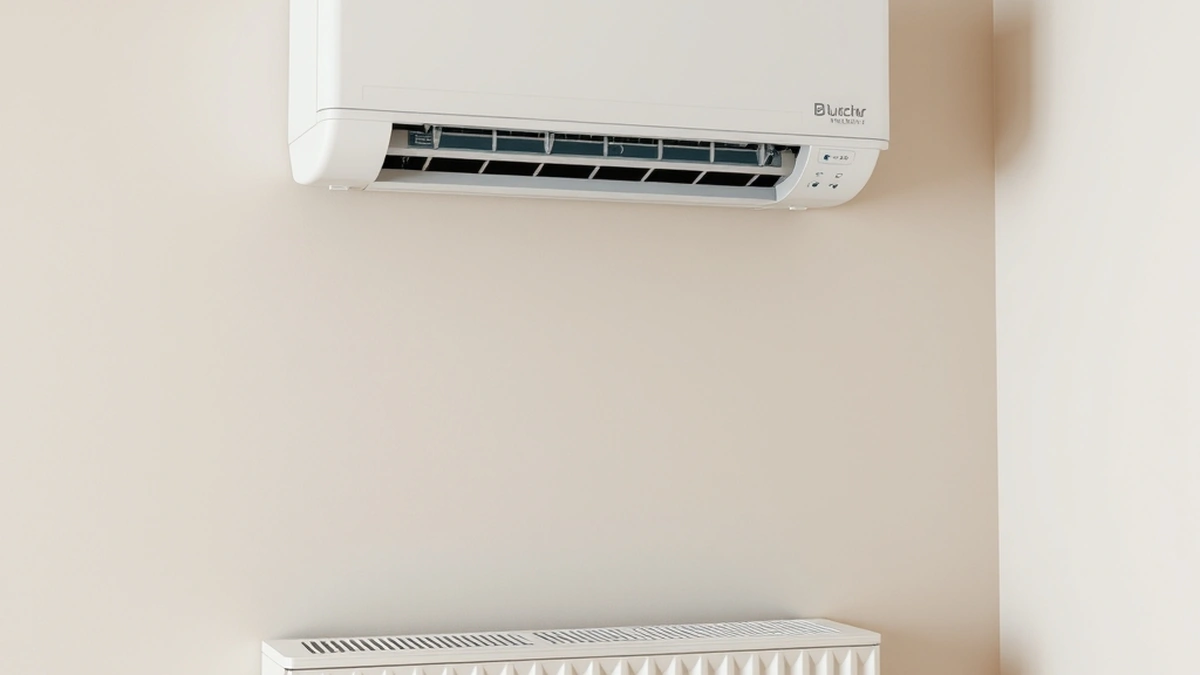
An electric furnace heats a whole house through ducts for $3,000 to $6,500 and runs on resistance heat at 100 percent efficiency. A ductless mini-split costs $3,000 to $5,500 per zone but moves heat at two to three times that efficiency and provides cooling.
- Electric furnace
- $3,000 - $6,500
- Mini-split per zone
- $3,000 - $5,500
- Furnace repair
- $150 - $600
- Tune-up
- $100 - $250
Some links on this page are affiliate links.If you buy through them we may earn a commission at no extra cost to you. We do not accept payment for rankings. Read the full disclosure.
An electric furnace costs $3,000 to $6,500 and heats a whole house through ducts using resistance elements at 100 percent efficiency. A ductless mini-split costs $3,000 to $5,500 for one zone but moves heat at two to three times that efficiency and provides cooling. For a whole house the mini-split is more expensive to install; for a single room it is often the better buy on every measure except purchase price.
What each system is
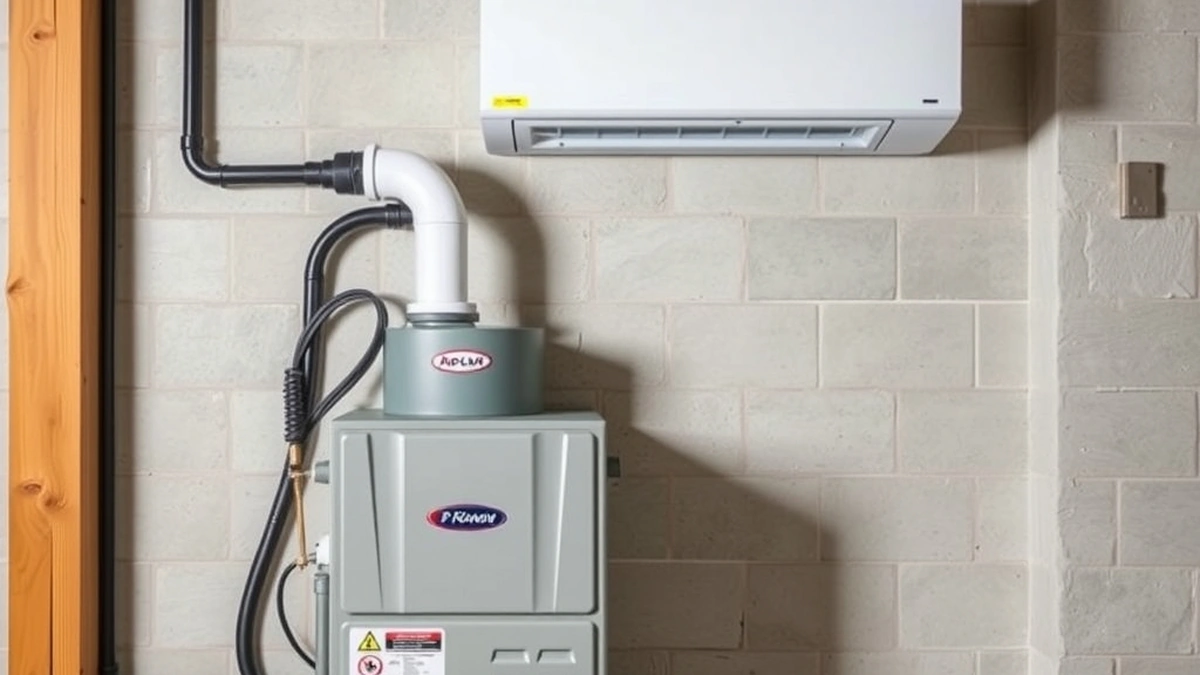
An electric furnace is a central air handler with resistance elements. It draws a large current, heats air, and a blower distributes it through ducts.
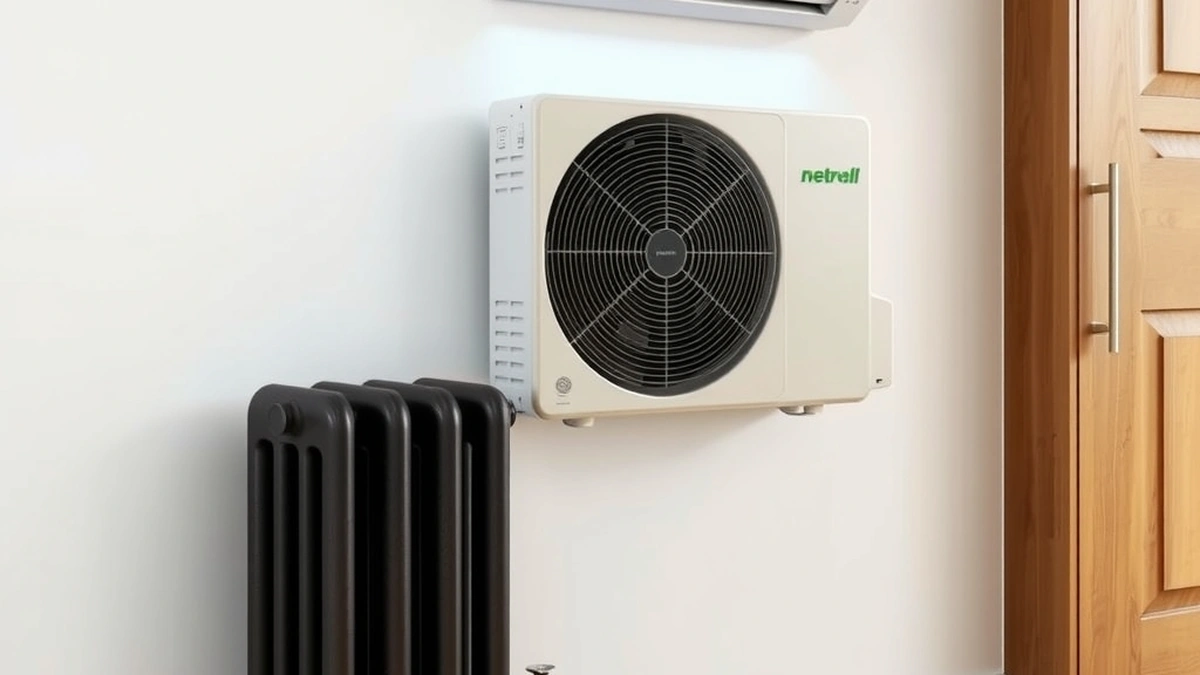
A ductless mini-split is a split heat pump. An outdoor condenser connects by refrigerant lines to one or more indoor heads, each conditioning a room. There is no ductwork.
One system heats everything at once. The other heats specific spaces, and it does so with a fraction of the electricity per unit of heat.
Cost compared
| Item | Electric furnace | Mini-split |
|---|---|---|
| Single zone | N/A | $3,000 - $5,500 |
| Whole house | $3,000 - $6,500 | $9,000 - $18,000 |
| Ductwork | Existing or $4,000 - $12,000 | None |
| Cooling | Separate system | Included |
| Electrical | $0 - $2,500 | Dedicated circuit per unit |
| Permit | $50 - $500 | $50 - $500 |
The whole-house comparison is the one that matters for a furnace replacement. Three zones at $5,000 each is $15,000 against an electric furnace at $4,000 plus a central air conditioner at $4,000 for $8,000. On purchase price, ducts win.
Running cost, with arithmetic
Take a house needing 60 million Btu of delivered heat at $0.16 per kWh.
Electric furnace at 100 percent:
- 60 million Btu = 17,580 kWh
- 17,580 × $0.16 = $2,813
Mini-split at an average COP of 2.5:
- 60 ÷ 2.5 = 24 million Btu
- 7,030 kWh × $0.16 = $1,125
The mini-split costs $1,688 less per year on those assumptions. Against a $7,000 installation premium on a whole-house basis, the payback is about four years.
For a single room, the arithmetic is even better. One head at $4,500 replacing resistance baseboard in a 300-square-foot room can save several hundred dollars a season, and it cools in summer.
Zoning is the real advantage
A central electric furnace heats every room to one setpoint. A mini-split heats the rooms that are used.
That difference often outweighs the efficiency rating. A household occupying two rooms in the evening heats two rooms, not six. A household using the whole house sees no zoning benefit and relies on the efficiency ratio alone.
This is why the honest answer to “which is cheaper to run” depends on occupancy. The equipment matters; the floor area actually conditioned matters more.
Where the electric furnace wins
- Whole-house heating at the lowest installed cost, where ducts exist.
- Cooling already installed or not needed.
- Filtration and humidity control through the duct system.
- One appliance to maintain instead of several heads.
- No outdoor units on walls or in the yard.
Where the mini-split wins
- No ductwork, or ductwork that cannot be extended.
- Room-by-room control in a house with partial occupancy.
- Cooling and heating from one unit.
- Quiet operation.
- Lower running cost per unit of heat in moderate climates.
- Additions, garages and converted spaces.
Maintenance and repair
| Task | Electric furnace | Mini-split |
|---|---|---|
| Annual service | $100 - $200 | $150 - $300 per system |
| Filter care | 1 - 3 months | Monthly rinse |
| Typical repair | $150 - $500 | $200 - $800 |
| Outdoor unit care | None | Clear snow and debris |
| Refrigerant | None | Charge check at service |
An electric furnace is the simpler machine and cheaper to repair. A mini-split has a compressor, refrigerant circuit and flare connections, each of which can leak or fail.
The furnace side is priced in electric furnace cost, and the mini-split side in ductless mini-split cost.
What to ask before choosing
- How much of the house is occupied at the same time?
- Is ductwork present, and what condition is it in?
- Is cooling needed, and is there an existing system?
- What is the design temperature, and does the model hold capacity there?
- How many outdoor units will the design require?
- What is the whole-house installed cost, not the per-head price?
Question six is where quotes mislead. A per-head price looks modest until four heads and two outdoor units are added.
Question one decides the running-cost answer. Zoning only saves money if some of the house is genuinely unoccupied.
The related comparisons are heat pump vs ductless mini-split and gas furnace vs ductless mini-split.
An electric furnace is the cheapest way to heat a whole house that already has ducts, and the most expensive way to run it. A mini-split costs more upfront and far less per unit of heat, and it cools.
For one room, the mini-split wins. For a whole house with existing ducts, the furnace wins on price and the mini-split wins on running cost. A final practical point on the electrical side: a single-zone mini-split usually needs a dedicated 240-volt circuit, and an electric furnace needs a much larger supply. If the panel is already full, the cost of adding capacity can fall on one option and not the other. Have an electrician quote the service work for both before comparing equipment prices, because a $2,000 panel upgrade can reverse the arithmetic.
There is also a resale consideration worth naming. A buyer inspecting a house with ducted air sees a familiar system that any contractor can service. A house with four heads and two outdoor units raises questions about maintenance history and about who installed it. Document the installation, keep the manuals and the commissioning readings, and the system reads as an asset rather than a query.
Frequently asked questions
Is a mini-split cheaper to run than an electric furnace?
Usually yes, by a wide margin, because a mini-split moves heat rather than generating it. At moderate outdoor temperatures it delivers two to three units of heat per unit of electricity, against one for resistance elements.
Can a mini-split heat a whole house?
It can, with enough heads or a ducted mini-split. For a whole house the installed cost is usually higher than a ducted electric furnace, so the decision turns on running cost, zoning and cooling.
How much does a mini-split cost per room?
Typically $3,000 to $5,500 for a single zone installed, including the line set and electrical. Additional heads sharing an outdoor unit usually cost $1,300 to $2,600 each.
Do mini-splits work in very cold weather?
Cold-climate models retain useful capacity well below freezing, but output falls with temperature. In severe cold, a backup heat source is commonly specified.
Which is quieter?
The mini-split. There is no central blower and no duct noise, and the indoor head is quiet at low fan speed. An electric furnace is audible through the registers.
Does a mini-split need ducts cleaned?
No. There are no ducts. The indoor filter needs a monthly rinse and the coil an annual clean, which is simpler than duct maintenance.
Sources
Some links are affiliate links.If you buy through them we may earn a commission at no extra cost to you. We do not accept payment for rankings. Read the full disclosure.