Gas furnace vs electric furnace
Installed cost, running cost and comfort compared. A gas furnace is $3,000 to $8,000, an electric one usually less, and the fuel bill decides the winner.
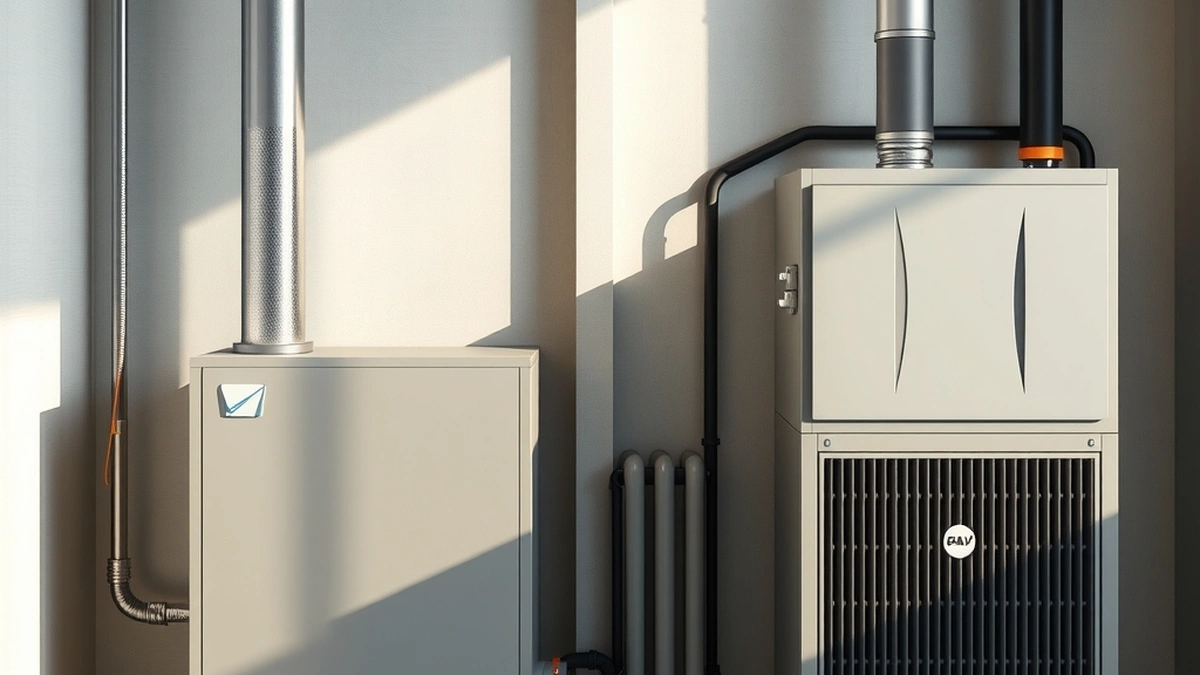
A gas furnace costs $3,000 to $8,000 installed and an electric furnace typically $3,000 to $6,500, but the electric unit costs more to run per unit of heat in most markets. Gas wins where mains gas is available; electric wins where it is not, or where no flue can be added.
- Gas installed
- $3,000 - $8,000
- Electric installed
- $3,000 - $6,500
- Repair range
- $150 - $600
- Tune-up
- $100 - $250
Some links on this page are affiliate links.If you buy through them we may earn a commission at no extra cost to you. We do not accept payment for rankings. Read the full disclosure.
A gas furnace costs $3,000 to $8,000 installed and an electric furnace typically $3,000 to $6,500, so electric is cheaper to buy. In most US markets gas is cheaper to run per unit of heat, which is why gas dominates where mains gas exists. The decision usually comes down to whether the house has a gas supply and a route for a flue, not to a preference between the two.
What each one is
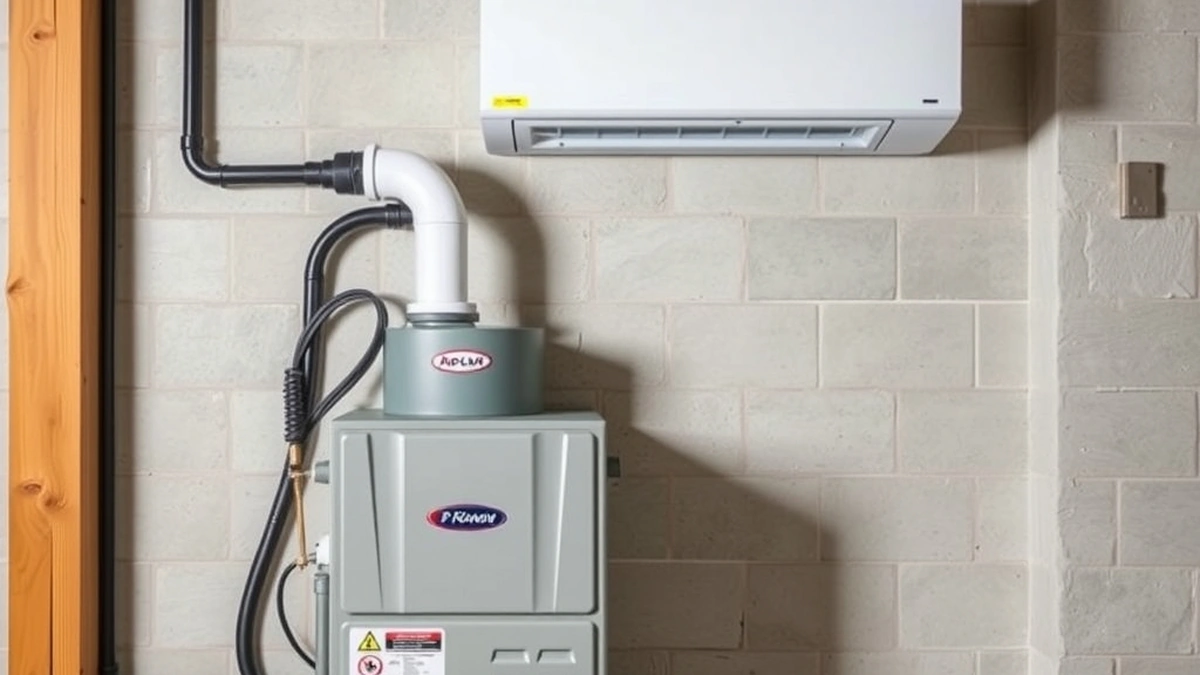
A gas furnace burns natural gas or propane in a heat exchanger and blows air across it. It needs a gas supply, a flue or vent, and combustion air.
An electric furnace runs current through resistance elements and blows air across them. It needs no flue and no gas line, but it needs a large electrical service — commonly 60 to 100 amps dedicated to the unit.
Both are forced-air systems and both connect to the same ductwork. Swapping one for the other is a fuel and venting change, not a duct change.
Installed cost compared
| Item | Gas furnace | Electric furnace |
|---|---|---|
| Unit | $1,500 - $4,500 | $800 - $2,500 |
| Labour | $800 - $2,000 | $700 - $1,800 |
| Venting or flue | $300 - $1,500 | $0 |
| Gas line | $0 - $1,200 | $0 |
| Electrical upgrade | $0 | $0 - $2,500 |
| Permit | $50 - $500 | $50 - $500 |
| Total | $3,000 - $8,000 | $3,000 - $6,500 |
The electrical line is the item that surprises people. An electric furnace draws far more current than a gas unit, and an older panel may need a service upgrade or a new circuit at $1,000 to $2,500. That can erase the purchase-price advantage entirely.
Running cost, with the arithmetic shown
Running cost depends on two numbers: the efficiency of the unit and the price of the fuel. Both vary by location, so treat the following as an illustration with stated assumptions.
Assume a house needs 60 million Btu of delivered heat in a winter.
Gas at 90 AFUE:
- Input required: 60 ÷ 0.90 = 66.7 million Btu
- At $1.20 per therm (100,000 Btu): 667 therms × $1.20 = $800
Electric resistance at 100 percent:
- Input required: 60 ÷ 1.0 = 60 million Btu
- 60 million Btu = 17,580 kWh
- At $0.16 per kWh: 17,580 × 0.16 = $2,813
At those prices the electric furnace costs about 3.5 times as much to run. If electricity is $0.10 per kWh and gas is $1.60 per therm, the gap narrows to roughly 2.3 times. It does not usually reverse.
That is the core trade-off: cheaper equipment and no combustion against a higher monthly bill.
Where electric wins
Electric is not a compromise in every situation.
- No gas on the street. Running a main is a utility project, not a furnace decision.
- No flue route. A house with no chimney and no external wall available may not be able to vent a gas furnace at all.
- Propane. Where the only gas is delivered propane at $2.50 to $3.50 a gallon, the running-cost gap can close or invert.
- Small, well-insulated homes. Lower heat demand reduces the penalty.
- All-electric households with solar or a low time-of-use rate.
The propane case is the one most often missed. A gas furnace on delivered propane is not the same proposition as one on mains gas, and the arithmetic should be redone with the actual per-gallon price.
Where gas wins
Gas wins where mains gas exists and a flue route is available.
- Lower running cost in most markets.
- Faster recovery from a setback, because the burner output is usually higher.
- Warmer supply air at the register, which some people prefer.
- Resale preference in gas-served neighbourhoods.
The trade-offs are a flue, combustion air, an annual safety check and a carbon monoxide alarm. None of those is onerous, and all of them are part of owning a combustion appliance.
Maintenance and repair
| Task | Gas | Electric |
|---|---|---|
| Annual service | $100 - $250 | $100 - $200 |
| Typical repair | $150 - $600 | $150 - $500 |
| Common failures | Igniter, inducer, flame sensor, board | Element, sequencer, blower, board |
| Safety check | Combustion and CO | Electrical and thermal |
A gas furnace has more components and more to go wrong, which is why the repair band runs slightly higher. An electric furnace’s failures tend to be elements and sequencers, which are cheaper parts but can be labour-intensive to reach.
The repair side is covered in how much furnace repair costs, and the gas-specific service schedule in gas furnace maintenance. For the electric side, see electric furnace maintenance.
What to ask before choosing
- Is mains gas at the property, and what is the connection cost?
- Is there a flue route — chimney, side wall, or existing vent?
- What is the electrical service capacity for an electric unit?
- What are the actual local fuel prices, per therm and per kWh?
- What is the house’s heat load, in Btu per hour?
- What rebates apply to either option?
Question five matters more than the fuel comparison. A well-insulated house with a low heat load makes the running-cost penalty smaller; a leaky house makes it larger.
The wider comparison set includes electric furnace vs heat pump and gas furnace vs heat pump, both of which change the running-cost picture substantially because a heat pump moves heat rather than making it.
The short version
Gas is cheaper to run where mains gas is available, and electric is cheaper to install and simpler to vent. The purchase-price gap of roughly $1,000 to $2,000 is small against a running-cost difference that can reach $2,000 a year in a cold climate.
Do the fuel arithmetic with your own prices before choosing. It is the only part of this comparison that is specific to your house.
Frequently asked questions
Is a gas furnace cheaper to run than an electric one?
In most US markets, yes, per unit of delivered heat. A gas furnace at 90 AFUE delivers roughly 0.9 units of heat per unit of gas, while electric resistance delivers 1.0 per unit of electricity, and gas is usually cheaper per unit.
How much does each type cost to install?
A gas furnace is $3,000 to $8,000 installed, including venting and gas work. An electric furnace is typically $3,000 to $6,500 because it needs no flue and no gas line, but it may need a larger electrical service.
Which lasts longer?
Both commonly run 15 to 20 years with annual service. A gas furnace has more components — igniter, inducer, gas valve — so it has more to fail, while an electric furnace has elements and a blower.
Can I switch from electric to gas?
Yes if mains gas reaches the house. The cost includes a gas line, venting and possibly a chimney liner, which can add $1,000 to $3,000 to the furnace price.
Is an electric furnace safer?
It has no combustion, so there is no flue gas or carbon monoxide risk from the furnace itself. That is a genuine advantage, and it is partly offset by the higher current draw and the fire risk of any resistance heater.
Which adds more to resale value?
A working, documented system of either type. Buyers respond to age, warranty and service records more than to fuel type, though gas is preferred where it is available.
Sources
Some links are affiliate links.If you buy through them we may earn a commission at no extra cost to you. We do not accept payment for rankings. Read the full disclosure.